
Rescue Mission: Stranded Whale Transported Out of German Waters

A stranded whale is transported by barge from German waters after initial rescue efforts fail. Follow the dramatic operation to save the marine mammal.
In a significant development for marine conservation efforts, authorities have launched a final rescue operation to save a stranded whale that has been struggling in German waters for several days. The ambitious plan involves transporting the massive marine mammal aboard a specially equipped barge, representing a last-ditch effort after multiple previous attempts to guide the creature back to open sea have proven unsuccessful.
The stranded whale rescue has captured international attention as marine biologists and rescue teams work against the clock to prevent tragedy. The whale, which was initially discovered in shallow German coastal waters, has become increasingly distressed as efforts to free it have been thwarted by unfavorable conditions and the animal's own disorientation. Experts emphasize that time is critical, as prolonged stranding can cause severe stress and physical deterioration in these massive ocean dwellers.
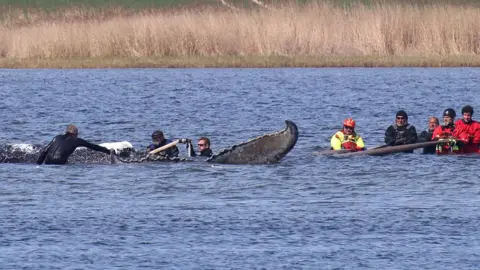
Previous rescue attempts focused on using acoustic signals and guided approaches to encourage the whale to swim back into deeper waters where it belongs. These initial rescue attempts met with limited success, as the whale appeared reluctant or unable to navigate away from the coastal zone. Marine rescue coordinators considered various alternative strategies before settling on the barge transportation method, which is considered the most viable option given the circumstances.
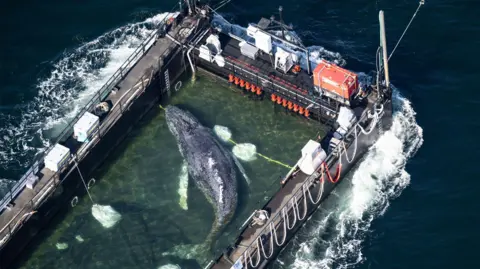
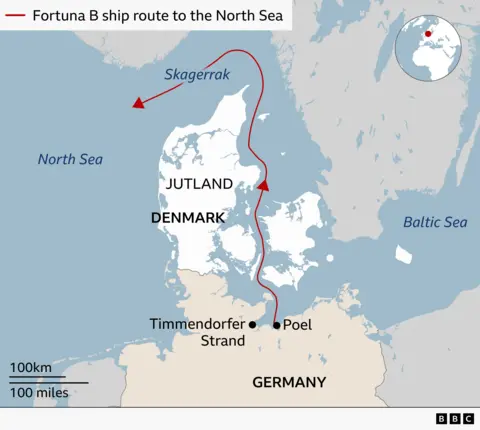
The decision to utilize a barge represents a sophisticated approach to whale rescue operations, requiring coordination between maritime authorities, animal welfare organizations, and experienced marine mammal handlers. The specialized vessel has been equipped with water systems designed to keep the whale hydrated and minimize stress during transport. The route has been carefully planned to move the animal from its current location toward deeper, safer waters where it can be released and hopefully return to its natural migration patterns.
German wildlife officials have been working in close collaboration with international marine conservation experts to execute this complex operation. The logistics of moving such a large marine mammal require careful planning regarding water depth, speed, and handling techniques to ensure the animal's safety throughout the journey. Every aspect of the transport has been meticulously designed by specialists who have experience with similar emergency situations involving stranded cetaceans.
The barge transportation method offers several advantages over ground-based or water-based towing methods that had been considered earlier. By keeping the whale in a controlled marine environment within the vessel, rescue teams can monitor vital signs, maintain appropriate water salinity levels, and ensure the animal remains calm throughout the operation. This approach has been successfully utilized in previous international whale rescue cases, providing hope that this German operation will have a positive outcome.
The marine mammal stranding has prompted discussions about the broader challenges facing whale populations in European waters. Scientists point to various factors that can cause whales to become disoriented and strand in shallow coastal areas, including changes in water temperature, altered migration patterns due to climate change, and increased ship traffic in traditional whale habitats. This incident serves as a reminder of the delicate balance between human activity and marine ecosystem health.
Local communities have shown remarkable support for the rescue effort, with crowds gathering along the coast to monitor progress and express solidarity with the animal. Social media has amplified awareness of the situation, with thousands following updates on the operation's status. This public engagement reflects growing global concern about marine animal welfare and the impacts of human activity on ocean ecosystems.
Animal welfare experts emphasize the emotional and physical toll that stranding places on whales, which are highly intelligent and social creatures. The stress of being confined to shallow water, combined with the physiological challenges of remaining out of their natural habitat, can have lasting effects on the animal's health. The urgency of the rescue operation is driven by these humanitarian concerns, as well as scientific interest in understanding why such strandings occur with increasing frequency.
The operational timeline for moving the whale has been compressed to account for weather forecasts and the animal's deteriorating condition. Marine meteorologists have identified a narrow window of favorable sea conditions over the coming days, making this the optimal time to execute the barge transport. The rescue team has contingency plans in place should unexpected complications arise during the operation, reflecting their commitment to ensuring the best possible outcome for the whale.
International observers are watching this German whale rescue closely, as the techniques and procedures developed during this operation could inform future conservation efforts. The data collected from this incident will be shared with marine research institutions and conservation organizations worldwide, contributing to a growing body of knowledge about whale rescue best practices. Success in this case could establish important precedents for similar situations in other coastal regions.
The financial and logistical investment in this rescue operation underscores the value that modern societies place on preserving marine life. The costs associated with deploying specialized equipment, coordinating multiple agencies, and mobilizing trained personnel are substantial, yet considered worthwhile to save a single animal. This commitment reflects broader shifts in environmental consciousness and recognition of humanity's responsibility toward other species sharing our planet.
As the final operation proceeds, marine conservation organizations continue to advocate for preventive measures that could reduce future whale strandings. Proposed solutions include adjusting maritime shipping routes, implementing acoustic warning systems, and establishing marine protected areas where whale populations can safely migrate. The urgency demonstrated in this rescue effort may catalyze broader policy discussions about protecting marine mammal habitats throughout European waters.
The outcome of this barge transport operation will be closely documented and analyzed by scientists and rescue professionals. Whether the whale successfully returns to open ocean and resumes normal behavior will provide valuable insights into recovery prospects for stranded cetaceans. The combination of cutting-edge rescue technology and compassionate commitment to animal welfare makes this operation a defining moment in modern marine conservation efforts.
Source: BBC News


