
Resident Evil Reboot Teases Fresh Horror

Sony Pictures reveals first teaser for Zach Cregger's Resident Evil reboot, promising a new direction for the iconic horror franchise that has grossed over $1.2 billion.
The Resident Evil film franchise has established itself as one of Hollywood's most profitable horror properties, accumulating an impressive $1.2 billion in worldwide box office revenue since the first installment premiered in 2002. However, a previous attempt to revitalize the beloved series fell short of expectations, leaving fans and studio executives searching for a fresh approach. Now, Sony Pictures is making another bold move by enlisting Zach Cregger, the creative force behind last year's critically acclaimed horror thriller Weapons, to helm an entirely new vision for the franchise. The studio unveiled the inaugural teaser during the prestigious CinemaCon event and subsequently released it to eager audiences worldwide.
The journey of Resident Evil began with the groundbreaking 1996 video game, which became an instant phenomenon in both commercial and critical circles. This remarkable success spawned an extensive multimedia empire encompassing numerous sequel games, graphic novels, literary adaptations, and a highly lucrative film series that dominated multiplexes throughout the early 2000s. Directed by Paul W.S. Anderson and anchored by the commanding presence of actress Milla Jovovich, the original film franchise amassed substantial box office returns despite maintaining only a tenuous connection to its source material. While the movies retained certain core characters and thematic elements from the games, they diverged significantly from the games' narrative structure and atmosphere, resulting in mixed critical reception even as audiences flocked to theaters.
Recognizing the potential for a more faithful adaptation, development on a comprehensive reboot initiative commenced in 2017, eventually culminating in the 2021 release of Resident Evil: Welcome to Raccoon City. This preceding attempt sought to realign the film franchise with the foundational elements that made the original games so compelling to millions of players worldwide. Director Johannes Roberts endeavored to capture the essence of the beloved video game series while translating it into cinematic form, though the film received moderate reception from both critics and audiences. Despite the mixed results, the project demonstrated clear audience interest in a Resident Evil adaptation that honored the franchise's gaming roots more closely than the Anderson films had.
The decision to bring Zach Cregger into the fold represents a significant shift in creative direction for the Resident Evil franchise. Cregger's recent work on Weapons showcased his exceptional ability to craft intelligent, terrifying horror experiences that resonate with contemporary audiences and critics alike. The film's success, evidenced by major award recognition and enthusiastic reception, positioned Cregger as an ideal candidate to guide the franchise toward a new era. His involvement signals Sony Pictures' commitment to delivering a fresh interpretation that respects both the gaming legacy and modern horror sensibilities.
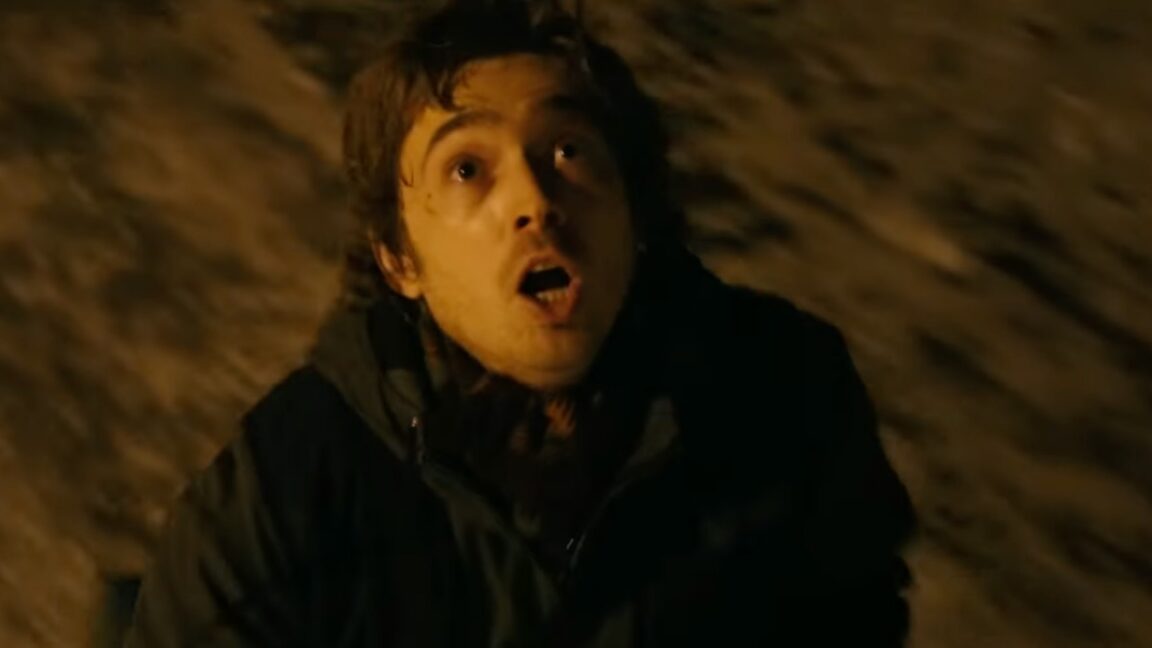
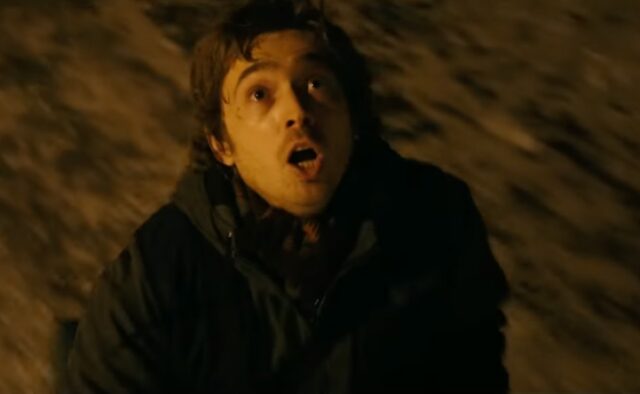
The teaser footage released to the public offers intriguing glimpses into Cregger's vision for the Resident Evil universe. The clip features a stranded traveler thrust into increasingly disturbing circumstances, establishing an atmosphere of dread and uncertainty from the opening moments. This narrative approach emphasizes character vulnerability and psychological tension rather than relying solely on grotesque imagery, suggesting a more sophisticated approach to horror filmmaking. The teaser demonstrates Cregger's understanding of pacing and atmospheric building, key elements that defined the original gaming experience.
The horror franchise revival landscape has become increasingly competitive in recent years, with studios recognizing that audiences hunger for thoughtful, well-crafted horror experiences. Cregger's involvement in this project reflects broader industry trends toward elevating the genre through proven directorial talent and substantial creative resources. The success of recent horror franchises that prioritized character development and genuine scares over cheap jump scares has validated this approach commercially and critically.

The original Resident Evil games established a unique aesthetic and narrative framework that distinguished them from other survival horror titles of the era. The games combined puzzle-solving gameplay, resource management, and biological horror concepts to create an immersive experience that terrified and captivated players in equal measure. The subsequent Anderson films, while commercially successful, largely abandoned these core gameplay and narrative elements in favor of action-heavy sequences and a more superhero-oriented protagonist. Cregger's approach appears poised to recalibrate the franchise, potentially honoring the game's emphasis on vulnerability, exploration, and genuine terror.
The international success of the Resident Evil franchise demonstrates its potent appeal across diverse markets and demographics. The original games built a passionate global fanbase that has remained engaged across multiple gaming generations and entertainment mediums. This established audience, combined with general horror enthusiasts seeking quality filmmaking, creates a substantial potential audience for Cregger's adaptation. The decision to distribute the teaser widely following its CinemaCon premiere reflects Sony's confidence in generating widespread anticipation and media discourse around the project.
Looking forward, the Resident Evil reboot project faces the considerable challenge of satisfying both longtime fans of the game series and general audiences seeking entertaining horror cinema. Cregger's proven track record in crafting compelling horror narratives suggests he possesses the creative vision necessary to navigate these competing demands. The filmmaker's collaborative approach, demonstrated through his work on Weapons, indicates he will likely engage substantively with both the game's legacy and contemporary horror sensibilities. As production moves forward and additional promotional materials emerge, audiences will gain clearer insight into whether this new vision can successfully revitalize one of entertainment's most durable franchises.
Source: Ars Technica


