
Respected Sri Lankan Buddhist Monk Arrested in Rape Case

A prominent Buddhist monk holding a revered position has been arrested following allegations of sexual assault against a teenager in Sri Lanka.
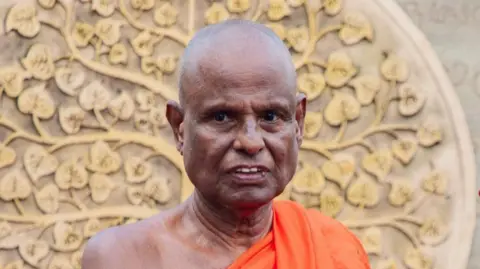
A Buddhist monk of considerable standing within the religious community has been taken into custody by authorities in Sri Lanka, facing serious allegations of sexual misconduct involving a minor. The Venerable Pallegama Hemarathana Thero, who holds one of the most revered positions in the Buddhist world, was arrested following formal complaints filed by the victim's family and subsequent investigation by local law enforcement officials.
The arrest represents a significant moment for the Buddhist community in Sri Lanka, as monks who attain such elevated spiritual ranks are traditionally viewed with deep respect and are expected to uphold the highest ethical standards outlined in Buddhist monastic codes. The allegations have sent shockwaves through Buddhist institutions across the island nation, raising questions about accountability and safeguarding mechanisms within religious organizations. Such high-profile cases involving religious figures often spark broader conversations about the responsibility of faith-based institutions to protect vulnerable members of society.
Details surrounding the alleged incident remain subject to ongoing investigation, with authorities working to establish a comprehensive timeline of events and gather supporting evidence. The teenage victim has reportedly cooperated with investigators, providing statements and accounts of the alleged assault. Law enforcement has indicated that preliminary findings prompted them to move forward with formal arrest procedures and charges against the monk.
The case has drawn considerable attention from human rights organizations and child protection advocates who have long expressed concerns about vulnerability to abuse within closed institutional environments. Sri Lanka's legal system has faced scrutiny in recent years regarding how effectively it prosecutes cases involving religious figures, particularly when power imbalances exist between perpetrators and victims. The prominence of the accused monk adds an additional layer of complexity to the proceedings, as his position may have afforded him certain protections or access that contributed to the alleged abuse.
Buddhist monastic orders in Sri Lanka adhere to strict disciplinary codes known as the Vinaya, which establish rules of conduct for ordained members of the sangha, or monastic community. These codes explicitly prohibit sexual conduct of any kind and include specific provisions regarding interactions with laypeople, particularly minors. Violations of these rules can result in expulsion from the monastic order, in addition to any civil or criminal penalties imposed by the state.
The arrest has prompted discussions within Buddhist institutions about the need for enhanced safeguarding protocols and transparency measures. Religious leaders have acknowledged that the faith community must implement stronger preventive measures and reporting mechanisms to address the risk of abuse. These conversations reflect broader global movements within various faiths to establish accountability standards and protective procedures that prioritize victim safety.
Legal experts following the case note that prosecuting cases involving respected religious figures presents unique challenges, including potential witness intimidation or social pressure that might discourage victims from coming forward. The courage demonstrated by the alleged victim and their family in pursuing formal charges despite the accused monk's prominence has been recognized by advocacy organizations as an important step toward accountability. Such cases often serve as catalysts for systemic reforms within institutions that have previously avoided rigorous scrutiny.
The criminal investigation is expected to proceed through Sri Lanka's judicial system, where evidence will be presented before courts and the accused will have opportunity to mount a defense. The burden of proof remains with prosecutors to establish guilt beyond reasonable doubt, a standard fundamental to the nation's legal framework. Depending on the severity of charges and circumstances of the case, potential sentences could be substantial, reflecting the serious nature of allegations involving minors.
Community reactions have been mixed, with some expressing shock and disappointment at the allegations against a figure they respected, while others have voiced support for the victim and the pursuit of justice. This duality reflects the complex emotions that often surface when trusted authority figures face accusations of grave misconduct. For many in the Buddhist community, the case raises difficult questions about how to reconcile spiritual teachings emphasizing compassion and ethics with the harsh realities of human misconduct.
The arrest also underscores the importance of robust institutional oversight and the establishment of clear reporting channels that allow victims to come forward without fear of retaliation or social ostracization. Religious institutions worldwide have increasingly recognized that protecting children and vulnerable adults requires moving beyond faith-based internal discipline mechanisms toward engagement with civil authorities and professional safeguarding standards. Sri Lanka's handling of this case may influence how other Buddhist organizations in the region approach similar allegations in the future.
Media coverage of the case has been extensive, reflecting the public interest in matters involving both religious authority and criminal conduct. News outlets have emphasized the importance of presumption of innocence while also documenting the allegations and the victim's willingness to pursue formal charges. The balance between respecting legal procedures and informing the public about serious accusations remains an ongoing challenge for journalists covering such sensitive matters.
International human rights organizations have called for transparent proceedings that uphold the rights of both the accused and the alleged victim. They have emphasized that justice systems must function independently of religious or social pressures that might compromise the integrity of investigations or trials. The case has been referenced in global discussions about protecting vulnerable populations from exploitation by authority figures, regardless of the religious or institutional context in which such abuse occurs.
As the case progresses through the courts, it will likely generate continued debate about the responsibility of faith communities to maintain moral standards and implement protective measures. The outcome may have significant implications for how Buddhist institutions in Sri Lanka and beyond address safeguarding issues and institutional accountability. For the victim and their family, the legal process represents both a pursuit of justice and an opportunity to ensure that such allegations are taken seriously by both religious and civil authorities.
Source: BBC News


