
Revolutionary Ear Device Transforms Stroke Recovery at Home

NHS Triceps trial tests groundbreaking at-home stroke rehabilitation technology using electrical pulses delivered through an ear device, offering new hope.
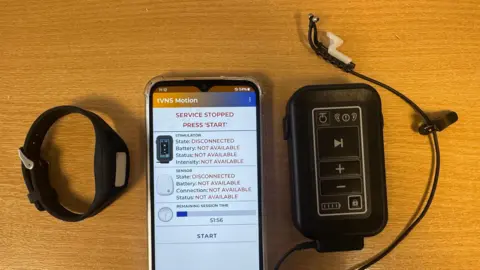
A groundbreaking medical trial is revolutionizing stroke rehabilitation by bringing cutting-edge technology directly into patients' homes. The innovative NHS Triceps trial is testing a remarkable ear-worn device that delivers precisely calibrated electrical pulses while stroke survivors perform their rehabilitation exercises. This transformative approach represents a significant leap forward in neurological recovery methods, offering unprecedented convenience and effectiveness for patients struggling to regain lost functions.
The revolutionary device, worn discreetly in the ear canal, works by stimulating specific neural pathways through targeted electrical stimulation therapy. As patients engage in their prescribed rehabilitation routines, the device simultaneously sends controlled electrical impulses that are designed to enhance neuroplasticity - the brain's remarkable ability to reorganize and form new neural connections. This dual-action approach of physical therapy combined with neural stimulation creates an optimal environment for recovery and functional improvement.
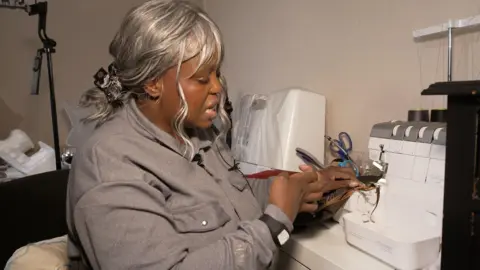
Stroke survivors participating in this pioneering trial have reported remarkable improvements in their quality of life and independence. One participant enthusiastically shared their experience, stating that the innovative technology has fundamentally changed their recovery journey. "It's given me my freedom back," they explained, highlighting how the at-home rehabilitation device has enabled them to regain control over their daily activities and reduce their dependence on constant medical supervision.
The significance of this breakthrough cannot be overstated, particularly considering the enormous global impact of stroke-related disabilities. Every year, millions of individuals worldwide suffer strokes, with many experiencing long-lasting physical, cognitive, and emotional challenges that require extensive rehabilitation. Traditional rehabilitation programs often require frequent hospital visits, creating barriers for patients who face transportation difficulties, mobility limitations, or geographical constraints that prevent regular access to specialized care facilities.

The NHS Triceps trial addresses these accessibility challenges by bringing professional-grade stroke rehabilitation technology directly into patients' living spaces. This innovative approach eliminates the need for frequent hospital visits while maintaining the therapeutic benefits of supervised rehabilitation. Participants can now engage in their recovery programs within the comfort and familiarity of their own homes, surrounded by supportive family members and personal belongings that contribute to their overall well-being.
The underlying science behind this remarkable device draws upon decades of research into neuroplasticity and electrical stimulation therapy. Scientists have long understood that the human brain possesses an extraordinary capacity for adaptation and recovery, even after significant injury. The strategic application of electrical pulses for stroke recovery works by activating dormant neural pathways and encouraging the formation of new connections that can compensate for damaged brain tissue.
Clinical researchers involved in the trial have carefully calibrated the electrical stimulation parameters to optimize therapeutic benefits while ensuring patient safety and comfort. The device delivers precisely controlled impulses at specific frequencies and intensities that have been scientifically proven to enhance neurological recovery. This personalized approach ensures that each participant receives treatment tailored to their individual needs and recovery goals.
The convenience factor of this home-based stroke therapy extends far beyond simple accessibility. Patients can integrate their rehabilitation sessions seamlessly into their daily routines, performing exercises during times that suit their energy levels and personal schedules. This flexibility often leads to improved compliance with treatment protocols, as patients no longer need to coordinate their recovery around rigid appointment schedules or lengthy commutes to medical facilities.
Family members and caregivers have also expressed overwhelming support for this innovative approach to stroke rehabilitation. The ability to witness and participate in their loved one's recovery journey from home creates a more supportive and emotionally nurturing environment. This family involvement often translates into better long-term outcomes, as patients feel more motivated and encouraged when surrounded by their support network during challenging rehabilitation sessions.
The technological sophistication of the ear-worn device represents years of engineering innovation and medical research collaboration. The compact design houses advanced electronics capable of generating precise electrical waveforms while maintaining comfortable wearability for extended periods. Battery technology ensures reliable operation throughout rehabilitation sessions, while user-friendly controls allow patients to manage their treatment independently.
Early results from the NHS Triceps trial have generated considerable excitement within the medical community, with researchers noting significant improvements in various functional measures among participants. These preliminary findings suggest that combining electrical stimulation with traditional rehabilitation exercises may accelerate recovery timelines and improve overall functional outcomes compared to conventional therapy approaches alone.
The trial's comprehensive evaluation protocol includes detailed assessments of motor function, cognitive abilities, and quality of life measures. Participants undergo regular monitoring to track their progress and ensure the treatment's safety and effectiveness. This rigorous scientific approach provides valuable data that will inform future applications of this technology and potentially expand its use to other neurological conditions.
Healthcare professionals involved in the study emphasize that this technology represents a paradigm shift in rehabilitation medicine. By leveraging the power of neuroplasticity enhancement through targeted electrical stimulation, the device offers hope to stroke survivors who may have previously plateaued in their recovery or faced limited access to intensive rehabilitation programs. This democratization of advanced therapy techniques could potentially transform outcomes for thousands of patients worldwide.
The economic implications of successful home-based rehabilitation technology are equally significant. Reducing the need for frequent hospital visits and extended inpatient rehabilitation stays could substantially decrease healthcare costs while improving resource allocation. This efficiency gain allows medical systems to serve more patients while maintaining high-quality care standards, creating a sustainable model for widespread implementation.
As the NHS Triceps trial continues to gather data and refine treatment protocols, researchers remain optimistic about the technology's potential for broader application. Future developments may include adaptations for other neurological conditions, enhanced device capabilities, and integration with digital health platforms that provide additional support and monitoring capabilities for patients and healthcare providers.
The transformative impact of this innovative stroke rehabilitation approach extends beyond individual patient outcomes to influence the entire landscape of neurological recovery medicine. By proving that sophisticated medical interventions can be effectively delivered in home settings, this trial paves the way for similar innovations that could revolutionize treatment for various conditions requiring long-term rehabilitation and recovery support.

Source: BBC News


