
Revolutionary Robot Control Software Eliminates Joint Jamming Issues

Swiss researchers develop Kinematic Intelligence framework enabling robots to switch between models seamlessly, transforming robotic arm training and deployment.
The process of upgrading to a new smartphone has become remarkably straightforward in today's digital ecosystem. Users simply log into their existing accounts, and through cloud synchronization, all applications, personalized settings, and contact information seamlessly transfer to the new device without requiring manual reconfiguration. However, the robotics industry has long faced a starkly different reality when it comes to equipment upgrades. When industrial facilities or research institutions needed to replace an aging robotic arm with a newer model, technicians faced the daunting prospect of starting their entire programming and configuration process from the beginning.
This inefficiency in robotic system management has now been addressed through groundbreaking research conducted by scientists at the prestigious Swiss institution, École Polytechnique Fédérale de Lausanne (EPFL). The research team has unveiled an innovative solution called Kinematic Intelligence, a sophisticated framework designed to fundamentally transform how robots transition between different hardware platforms. By mimicking the seamless switching capability found in consumer electronics, their system promises to dramatically reduce downtime and operational costs associated with robotic equipment changes. Their comprehensive findings have been published in a recent and highly respected Science Robotics paper, bringing significant attention to this technological advancement.
The implications of this development extend far beyond simple convenience, representing a paradigm shift in how robot programming and deployment strategies function across numerous industries. Manufacturing facilities, research laboratories, and other organizations that rely on sophisticated robotic systems stand to benefit tremendously from the ability to transfer trained skills and operational protocols between different robotic models without extensive reprogramming.
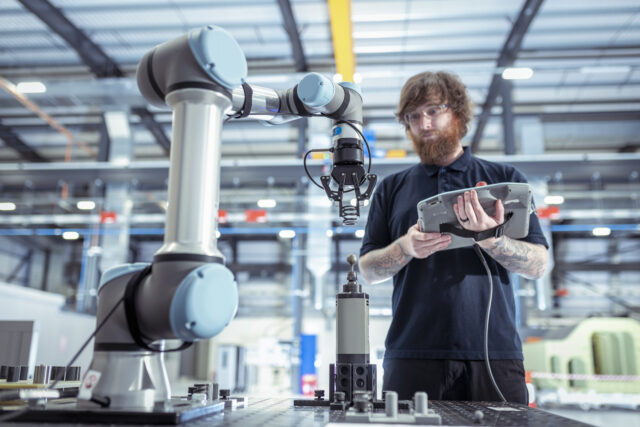
For years, the robotics community has pursued an ambitious goal: enabling robots to learn new capabilities directly from human demonstration rather than requiring extensive manual coding. This learning methodology, known as learning from demonstration, represents a more intuitive approach to robot training. Instead of programming every movement and decision through traditional coding languages, engineers can either remotely control the robot or physically guide its arm through the desired motions, teaching it tasks such as carefully wiping surfaces, precisely stacking objects, or performing complex welding operations on automotive components.
This hands-on teaching approach offers significant advantages over conventional programming methods, particularly for complex, nuanced tasks that prove difficult to describe algorithmically. A human trainer can demonstrate the subtle hand movements and force applications needed for delicate assembly work, and the robot can learn to replicate these movements through observation and practice. The elegance of this approach lies in its accessibility—factory workers and technicians without deep programming expertise can train robots to perform new tasks, democratizing robotic capability development across organizations of all sizes.
However, despite the theoretical promise and practical benefits of learning from demonstration, a persistent and frustrating limitation has haunted this technology. The skills that robots acquire through demonstration have historically remained locked to the specific hardware platform used during training. If a facility upgraded to a newer robotic arm model with different dimensions, joint ranges, or mechanical properties, all the previously taught skills became essentially useless.
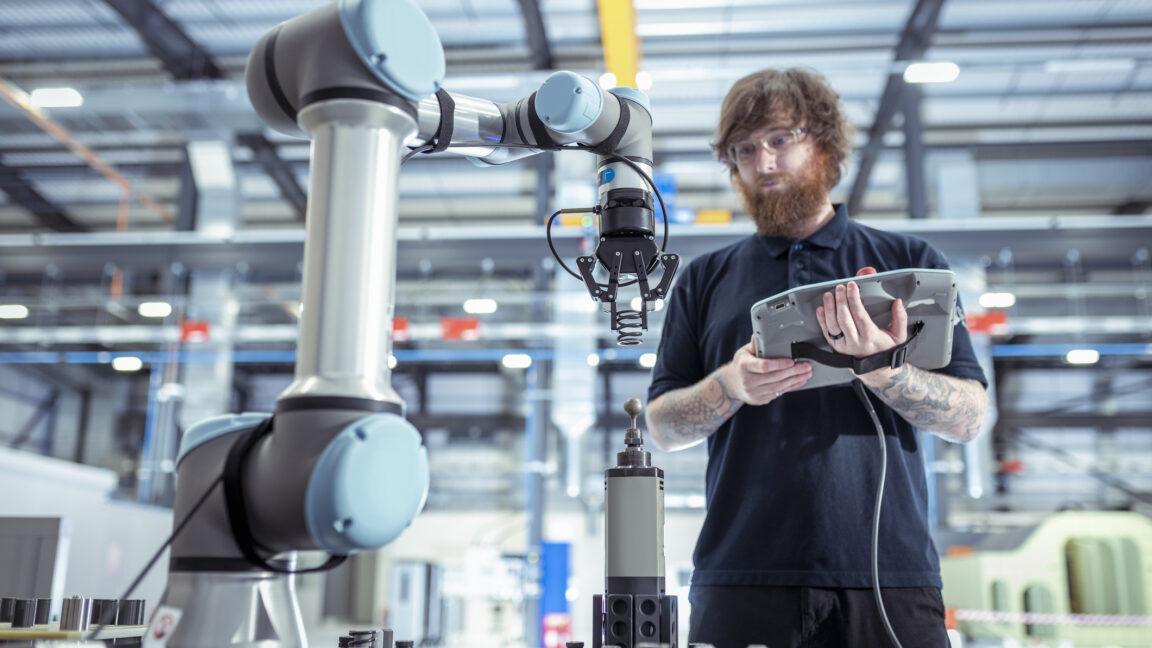
This hardware dependency created significant economic and operational inefficiencies throughout the robotics industry. Companies investing in training protocols and skill development for their robots faced the sobering reality that these investments would become obsolete the moment equipment was upgraded. Additionally, the problem of joint jamming during task execution presented another challenge that varied significantly between different robotic models, requiring separate solutions for each platform.
The EPFL researchers recognized these fundamental limitations and developed Kinematic Intelligence as a comprehensive solution addressing multiple dimensions of the problem. The framework functions by creating an abstraction layer between the learned skills and the specific hardware characteristics of any given robot. Rather than encoding skills directly to a robot's particular physical configuration, Kinematic Intelligence translates learned behaviors into a more universal format that can be adapted to work with different robotic platforms.
This innovation fundamentally changes the economics and practicality of robotic system management. Instead of treating each robotic upgrade as essentially a complete restart requiring comprehensive re-training, the new framework allows organizations to transfer previously learned capabilities to new hardware with minimal adjustment. The approach preserves the significant investments made in skill development and training, making robotic system upgrades far more practical and cost-effective for industrial and research applications.

The technical sophistication underlying Kinematic Intelligence extends to addressing the specific challenge of preventing joint jamming, a critical issue that affects robotic performance and reliability. Different robotic models have varying mechanical constraints, working ranges, and vulnerability to jamming at different points in their operational envelope. By developing algorithms that understand and adapt to these mechanical differences, the framework enables smoother operation across different hardware platforms while actively preventing the kind of joint conflicts that can damage equipment or interrupt production.
The research represents a significant milestone in making robotic systems more practical and economically viable for widespread industrial adoption. As manufacturing and other industries increasingly recognize the productivity gains and competitive advantages offered by robotic automation, solutions that reduce the friction associated with system upgrades become increasingly valuable. Organizations can now invest more confidently in robotic training programs, knowing that their investments will maintain value even as hardware platforms evolve.
Looking forward, the Kinematic Intelligence framework opens pathways for additional innovations in robotic system management and interoperability. The successful abstraction of robotic skills from specific hardware platforms could facilitate knowledge sharing between different organizations and research institutions. Repositories of robotic skills could be developed and shared across industries, allowing companies to benefit from training work conducted elsewhere rather than duplicating these efforts internally.
The work by the EPFL team exemplifies how addressing seemingly specific technical challenges can yield broader impacts on industrial adoption and economic efficiency. By making robotic systems behave more like consumer electronics—where upgrading to new hardware doesn't eliminate previously accumulated functionality—they've removed one of the practical barriers to more widespread robotic automation. As this technology matures and spreads throughout the industry, organizations large and small should find it increasingly practical to deploy robotic solutions, confident that their investments in robotic training and skill development will deliver long-term value regardless of future hardware changes.
This breakthrough in robotic control software and system portability represents an important step forward in making industrial robotics more accessible, economical, and practical for a broader range of applications and organizations. The implications of this research extend far beyond the laboratory, promising to reshape how companies approach robotics investments and equipment lifecycle management in the coming years.
Source: Ars Technica


