
RHS Chelsea Flower Show Sparks Debate Over Modern Values

Royal Horticultural Society faces criticism from conservative members over peat-free practices, corporate sponsorship, and contemporary gardening trends at Chelsea.
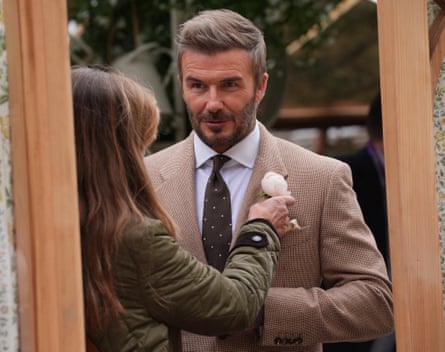
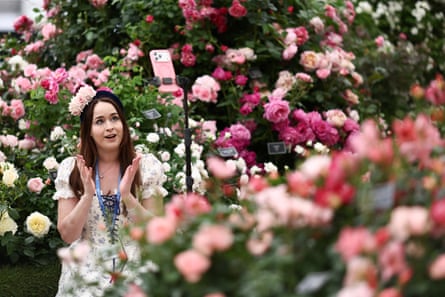
The Royal Horticultural Society's prestigious Chelsea Flower Show concluded this past Saturday, drawing crowds of enthusiasts, celebrities, and horticultural experts from around the world. Among the notable attendees were King Charles and football legend David Beckham, who mingled with the thousands of visitors exploring meticulously crafted garden displays. The event showcased innovative garden designs, including a nocturnal garden designed to support bat populations and a creatively themed Viking-inspired allotment bursting with edible plants cultivated in decorative pots. For most visitors and industry observers, the flower show maintained its reputation as a spectacular celebration of botanical artistry and garden design excellence.
However, beneath the surface of manicured lawns and blooming flowers lies a growing tension within the horticultural community. Critics on the conservative wing of the RHS have begun questioning the direction the prestigious organization is taking with its flagship event. Some of the most vocal objections come from longtime contributors and traditional gardeners who feel that the society is straying from its core horticultural mission. These dissenting voices argue that the Chelsea Flower Show has become something fundamentally different from what it once represented, abandoning traditional gardening practices and values in favor of what they characterize as trendy contemporary concerns.
One particularly outspoken former contributor to the RHS has become the face of this conservative backlash, publicly criticizing various aspects of how the organization operates. This individual has attracted significant media attention and support from like-minded gardeners and horticulturists who share similar concerns about the direction of the society. The criticism extends beyond mere aesthetic preferences, touching on deeper philosophical questions about what the RHS should stand for and how it should serve its membership and the broader gardening community.

Among the primary grievances cited by these critics is the RHS's push toward peat-free compost and environmentally conscious gardening practices. While environmental advocates celebrate these initiatives as necessary steps toward sustainable horticulture, traditionalists argue that they represent an unwelcome departure from proven, time-tested gardening methods. The debate over peat-free alternatives has become emblematic of larger disagreements about the purpose and mission of the Royal Horticultural Society itself. Some conservative members view the emphasis on environmental concerns as a distraction from the primary focus: creating beautiful, prize-winning gardens.
The corporate sponsorship model that now characterizes the Chelsea Flower Show has also drawn criticism from those who believe the event has become overly commercialized. These critics contend that the heavy corporate presence at the show has transformed it from a primarily horticultural showcase into a marketing platform for major brands. They point to the visible branding, sponsored garden displays, and corporate hospitality areas as evidence that commercial interests have begun to overshadow the pure celebration of gardening excellence. This tension between maintaining the show's horticultural integrity and embracing modern sponsorship realities reflects broader challenges facing heritage organizations in the contemporary economy.
Beyond specific grievances about peat and sponsorship, conservative critics have used broader language to describe their concerns, with some invoking the term "wokery" when discussing what they perceive as excessive attention to social and environmental causes. This rhetorical approach suggests that these critics view the RHS's initiatives not merely as misguided but as symptomatic of a larger cultural shift they find objectionable. The use of such terminology has intensified the debate, sometimes overshadowing substantive discussion about specific horticultural practices and policies with ideological arguments about cultural values.
The backlash represents a significant challenge for RHS leadership, which must navigate competing visions for the organization's future. On one hand, the society faces pressure from environmental advocates, younger gardeners, and cultural progressives who support sustainable practices and inclusive values. On the other hand, longtime members and traditional gardeners argue that the organization has betrayed its core mission by embracing what they view as fashionable causes at the expense of horticultural excellence. This divide raises important questions about how heritage institutions can evolve while maintaining continuity with their established traditions and values.

The Chelsea Flower Show itself, with its carefully curated mix of traditional garden displays and innovative contemporary designs, seems to embody this tension between old and new. While some gardens on display reflect classical horticultural principles and timeless design aesthetics, others champion experimental approaches and unconventional materials. This diversity, which many celebrate as a strength, others view as symptomatic of the confusion they believe is afflicting the RHS. The bat-friendly nocturnal garden and Viking-themed allotment—both noteworthy for their contemporary twists on gardening—exemplify the types of displays that have attracted critical commentary from traditionalists.
Looking forward, the RHS faces significant questions about its identity and mission in an evolving social and environmental landscape. The organization must determine how to balance its role as a guardian of horticultural heritage with its responsibilities to address contemporary environmental concerns and cultural values. This challenge is not unique to the RHS; many traditional institutions are grappling with similar questions about adaptation and relevance. However, the very public nature of the Chelsea Flower Show means that decisions made by RHS leadership will continue to attract scrutiny from both supporters and critics of their direction.
The debate over the Chelsea Flower Show and the broader direction of the RHS ultimately reflects deeper conversations about environmentalism, tradition, modernism, and institutional values in contemporary Britain. Whether one views recent changes at the RHS as necessary evolution or unwelcome corruption likely depends on one's broader worldview and priorities. What remains clear is that the Royal Horticultural Society, despite—or perhaps because of—its prestigious heritage and influence, will continue to be a focal point for these important cultural and environmental debates within the horticultural community and beyond.


