
Right to Roam Movement Gains Momentum in England

New documentary explores growing push for Scottish-style land access rights in England, where public access currently limited to 8% of land.
A powerful new documentary film is bringing renewed attention to one of England's most contentious land rights issues: the stark disparity between public access to land in England compared to Scotland. The film, titled "Our Land"—a deliberate reference to Woody Guthrie's iconic protest song—aims to ignite an informed conversation about the right to roam movement that has been steadily gaining traction across the country.
Currently, the English public can only access approximately 8% of the nation's total land area, a statistic that starkly contrasts with the more generous access rights available to Scottish citizens under their land access laws. This restrictive landscape means that vast swathes of England's mountains, meadows, rivers, and woodlands remain off-limits to ordinary people, creating a two-tiered system that many activists argue is fundamentally unfair and undemocratic.
The right to roam movement has been building momentum for years, but the new documentary comes at a critical moment when public sentiment appears to be shifting. Documentary makers behind "Our Land" believe that conditions are now ripe for meaningful change, with growing anger and frustration among the general population about restricted land access becoming increasingly difficult to ignore.

Scotland's approach to land access provides a compelling alternative model that activists and filmmakers are now holding up as a blueprint for reform in England. Under Scottish law, citizens enjoy what is known as the "right to roam," which grants broad access to most uncultivated land for recreation and leisure purposes. This legal framework has been in place for decades and is widely viewed as a success story that balances property rights with public access and environmental stewardship.
The documentary explores the historical context of the right to roam movement, tracing its roots back through centuries of struggle between landowners and the general public. The film reveals how attitudes toward land ownership have evolved, and how increasingly vocal advocates are challenging what they perceive as an outdated and exclusionary system that privileges a small number of wealthy landowners.
One of the key themes examined in the film is the question of why England lags so far behind other parts of the United Kingdom when it comes to land access rights. Directors investigate the complex web of historical precedent, legal tradition, and political lobbying that has kept England's public access limited to formal paths, designated trails, and a handful of country estates that voluntarily open their grounds to visitors.
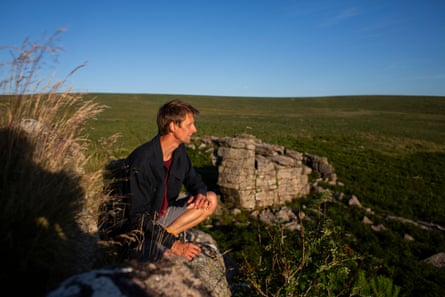
The filmmakers emphasize that their goal is not to stage a confrontational battle between landowners and the public, but rather to foster an informed dialogue about how England might move forward. They argue that Scotland's experience demonstrates that expansive access rights and private property ownership can coexist successfully, with proper management and clear guidelines for responsible use.
The documentary also features interviews with environmental activists, legal experts, historians, and ordinary citizens who have become passionate advocates for the right to roam. These diverse voices collectively paint a picture of a movement that transcends traditional class divides and appeals to people from all walks of life who simply wish to experience and enjoy their natural heritage.
Environmental considerations feature prominently in the film's analysis, with experts discussing how public land access can actually contribute to better environmental management and conservation. When more people have the opportunity to experience natural spaces, they tend to develop stronger connections to the environment and become more invested in its protection.
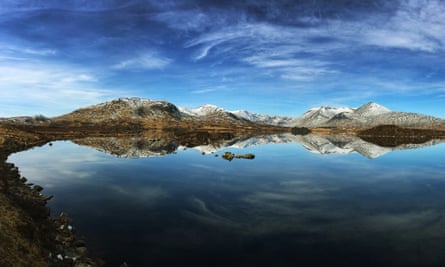
The timing of the documentary's release is particularly significant given recent political developments and shifting public opinion on environmental issues. Climate change and biodiversity loss have thrust environmental policy into the mainstream conversation, and advocates argue that expanding public access to natural spaces is an integral part of any comprehensive environmental strategy.
"Our Land" also examines the economic implications of expanded land access, challenging the assumption that opening more land to public use would necessarily harm rural economies or farming operations. International examples and case studies presented in the film suggest that properly managed public access can actually create economic opportunities through tourism and increased rural vitality.
The documentary makers hope their work will serve as a catalyst for legislative change, though they acknowledge that any reforms would need to navigate complex negotiations between various stakeholder groups. Environmental organizations, hiking clubs, and community groups across England are watching closely, hoping the film's message might finally tip the scales toward meaningful policy reform.
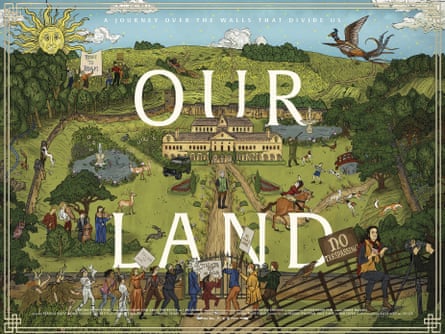
As the right to roam movement continues to grow in visibility and support, "Our Land" represents a significant cultural moment for advocates seeking to democratize access to England's natural heritage. The film's release comes amid broader conversations about equity, environmental justice, and how to build a more inclusive approach to land management that benefits society as a whole rather than a privileged few.
Whether the documentary ultimately succeeds in shifting public opinion and political will remains to be seen, but its very existence signals that the conversation around land access is no longer something that can be easily dismissed or ignored by policymakers and landowners alike.
Source: The Guardian


