
Rising Costs Create Perfect Storm for UK Food Traders

Food traders face unprecedented cost increases. Dried apricots have tripled in price in just 12 months, exemplifying the crisis affecting independent businesses across the UK.
Independent food traders across the United Kingdom are facing an unprecedented financial crisis as rising costs create what industry experts are calling a vicious cycle of economic pressure. The situation has become so dire that even staple commodities have seen dramatic price increases that are threatening the viability of small businesses that have operated for decades. One experienced cheesemonger, speaking on condition of anonymity, highlighted the severity of the situation with a stark example that encapsulates the broader economic challenges facing the sector.
"Dried apricots 12 months ago were £35 for a 12kg box, now they're £100 a box," the cheesemonger revealed, demonstrating how wholesale prices have skyrocketed in an incredibly short timeframe. This represents nearly a 186% increase in costs for a single product in just one year—a trajectory that is virtually impossible for small retailers to absorb without significantly raising their retail prices. The impact extends far beyond this single commodity, affecting everything from nuts and dried fruits to artisanal cheeses and specialty ingredients that form the backbone of independent food retail operations.
The cost of living crisis has fundamentally altered the landscape for food traders who operate on traditionally thin profit margins. These independent businesses, which often pride themselves on quality and customer service, now find themselves caught between impossible choices: either pass these massive increases onto customers and risk losing business to larger supermarket chains, or absorb the costs and watch their profit margins evaporate entirely. Many traders report that their suppliers have raised prices multiple times within the past year, making it nearly impossible to forecast inventory costs or maintain stable pricing strategies.
The supply chain disruptions that began during the pandemic have not fully resolved, and in many cases, have been exacerbated by geopolitical tensions and adverse weather conditions affecting agricultural regions worldwide. Dried fruit producers in Turkey, a major supplier to the UK market, have faced their own challenges that have driven up export prices substantially. Additionally, increased transportation costs, energy expenses, and labor shortages throughout the supply chain have created a cascading effect that ultimately reaches the checkout counter of independent food retailers.
Small food traders are particularly vulnerable to these economic pressures because they lack the bargaining power of large supermarket chains. When Tesco or Sainsbury's negotiate with suppliers, their massive volume gives them leverage to secure better rates. Independent retailers, by contrast, typically purchase in much smaller quantities and have far less negotiating capacity. This structural disadvantage means that while large retailers can absorb cost increases more easily, small businesses face the full brunt of price hikes with minimal ability to negotiate better terms.
The psychological and financial toll on business owners cannot be overstated. Many traders report sleepless nights worrying about whether their businesses will survive the next quarter. Some have been forced to reduce their product range, limiting the variety and specialty items that gave them competitive advantage against larger competitors. Others have had to make difficult decisions about staffing, reducing hours or laying off employees they've worked alongside for years. The human cost of this economic crisis extends well beyond simple profit and loss calculations.
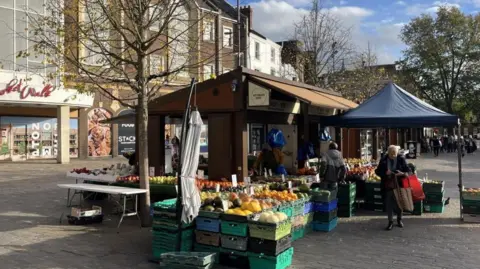
Consumer behavior is also shifting in response to food price inflation, which compounds the challenges facing independent retailers. Shoppers, feeling the squeeze of their own household budgets, increasingly opt for budget supermarket alternatives when prices at independent shops rise too steeply. This creates a vicious downward spiral where traders lose customers, which reduces their purchasing volume, which prevents them from securing bulk discounts, which keeps their costs high, which forces them to maintain elevated prices, which drives away more customers. Breaking this cycle has proven extraordinarily difficult for the vast majority of independent food businesses.
Industry analysts have warned that without government intervention or significant market adjustments, many traditional independent food retailers may not survive the next 18 to 24 months. The Federation of Small Businesses has called for targeted support measures including business rate relief for struggling traders and assistance with energy costs. However, such measures have been slow in coming, leaving many business owners to fend for themselves in an increasingly hostile economic environment.
The situation varies across different regions of the UK, with some areas experiencing even more severe pressures than others. Rural communities, which often rely heavily on independent food shops as their primary retail option, face the prospect of losing these vital businesses entirely. The disappearance of independent food traders would not only impact the local economy but would also affect food security and access for vulnerable populations who may not have easy access to larger supermarkets.
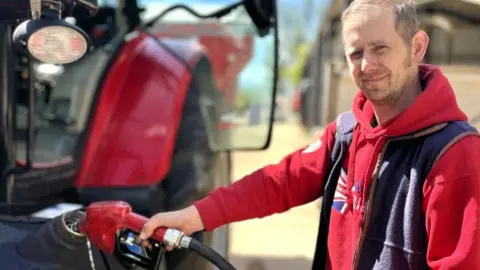
Some traders are attempting to adapt by focusing on local sourcing and building stronger community connections. By sourcing directly from local producers when possible, some retailers have managed to reduce transportation costs and maintain more stable pricing relationships. Others are leveraging their expertise and personal relationships with customers to justify premium pricing on their offerings. However, these strategies only work for a limited subset of businesses and cannot solve the fundamental problem of rising wholesale costs affecting the entire sector.
The economic outlook for independent food traders remains challenging despite some positive signals in inflation data. Energy prices, while moderating from their 2022 peaks, remain significantly elevated compared to historical averages. Labor costs continue to rise as businesses struggle to attract staff in a competitive job market. International commodity prices remain volatile, subject to the unpredictable influences of weather, geopolitical events, and currency fluctuations. This creates a fundamentally uncertain environment where long-term business planning becomes nearly impossible.
Looking forward, the survival of independent food retailers will likely depend on a combination of factors including government support, consumer willingness to pay premium prices for quality and service, and the ability of individual traders to innovate and adapt their business models. Some may transition to online sales or subscription-based models to stabilize their revenue streams. Others may explore cooperative purchasing arrangements with fellow independent traders to improve their bargaining position with suppliers. The next chapter of independent food retail will likely look quite different from the past, as businesses that survive this crisis emerge transformed by the experience.
Source: BBC News


