
Rivian Launches AI Assistant in Latest Software Update

Rivian integrates a new onboard AI assistant into its software update for both Gen1 and Gen2 vehicles, enhancing the in-vehicle experience without CarPlay support.
Rivian has established itself as a frontrunner in automotive software innovation, leveraging a distinctive clean-sheet approach to electric vehicle electronic architecture that has captured the attention of industry giants worldwide. This forward-thinking engineering philosophy recently attracted a substantial $5 billion investment from Volkswagen Group, underscoring confidence in Rivian's technological capabilities and vision for the future of electric mobility. The company's proprietary infotainment system has earned widespread praise from vehicle owners, who appreciate its intuitive design and seamless integration with vehicle controls, even as the manufacturer maintains its position of not supporting traditional phone mirroring solutions.
The absence of Apple CarPlay and Android Auto integration has been a deliberate strategic choice by Rivian, distinguishing the company from most traditional automakers and emphasizing the strength of its native software ecosystem. Rather than relying on smartphone mirroring technology, Rivian has invested heavily in developing proprietary solutions that keep drivers engaged with the vehicle's native interface. This decision has prompted the company to explore alternative ways of providing voice assistance and hands-free control capabilities, leading to the development of more sophisticated in-vehicle technologies that don't depend on external platforms.
In response to the absence of traditional voice assistant integration through phone mirroring, Rivian has unveiled a new AI digital helper as part of its latest over-the-air software update. This innovative addition represents a significant enhancement to the vehicle's user experience, offering drivers a dedicated artificial intelligence assistant that understands natural language commands and vehicle-specific requests. The new AI assistant is thoughtfully designed to work seamlessly within Rivian's ecosystem, providing contextual awareness of vehicle functions, navigation, climate control, and other essential features.
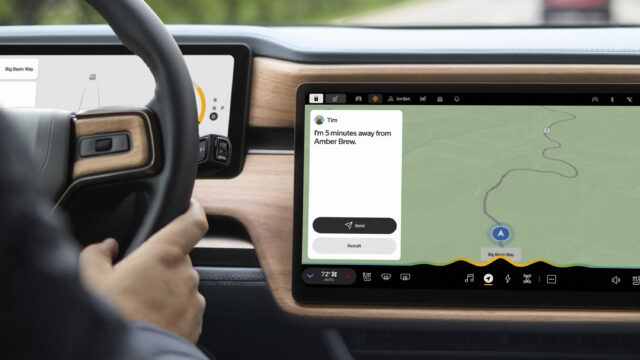
One of the most impressive aspects of this software rollout is its broad compatibility across Rivian's vehicle lineup. The latest software update is compatible with both Gen1 Rivian models from the 2024 model year and earlier, as well as the recently refreshed Gen2 vehicles that feature updated design elements and enhanced performance characteristics. This inclusive approach ensures that existing Rivian owners benefit from the latest technological advancements without requiring a vehicle upgrade, demonstrating the company's commitment to continuous improvement through over-the-air updates.
The decision to develop a proprietary AI assistant rather than relying on third-party solutions like Siri or Google Assistant reflects Rivian's broader strategy of vertical integration and technological self-sufficiency. By creating an in-house solution, Rivian can tailor the assistant specifically to its vehicle architectures, ensuring deep integration with all vehicle systems and functions. This approach allows for faster iteration and feature development, as the company doesn't need to coordinate with external technology providers or wait for updates to third-party platforms to implement new capabilities.
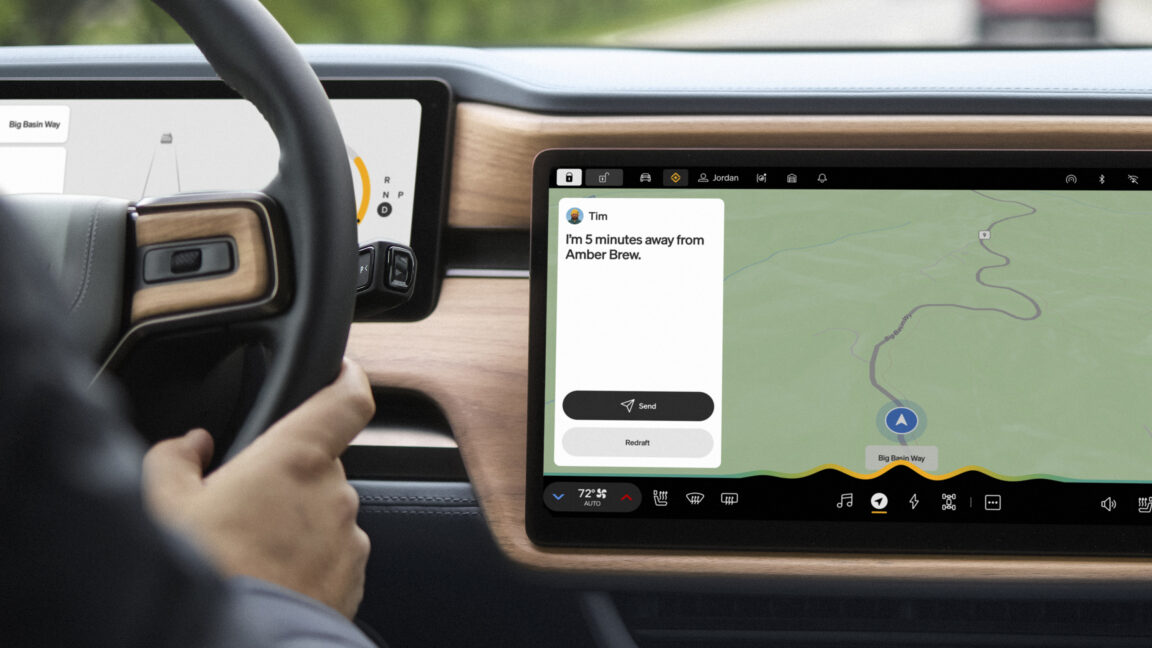
The new AI assistant is expected to offer hands-free control capabilities that rival or exceed what drivers might experience through traditional smartphone integration. Users can issue voice commands to control climate systems, adjust seat positions, modify entertainment options, plan routes, and access vehicle information without taking their eyes off the road or hands off the wheel. The assistant is designed to understand context and follow-up requests, creating a conversational experience that feels natural and intuitive rather than requiring memorized command structures.
This development also reflects broader industry trends where automotive manufacturers are increasingly developing proprietary AI solutions rather than becoming dependent on smartphone operating systems. Companies recognize that differentiation in the automotive market increasingly depends on software capabilities and user experience, making in-house development of these technologies strategically important. Rivian's approach to vehicle software positions the company to maintain control over its technological roadmap and create unique selling points that distinguish its vehicles from competitors.
The integration of a dedicated AI assistant into Rivian vehicles also addresses safety considerations that arise from divided attention while driving. By providing a native solution specifically optimized for vehicle control and passenger information, Rivian can ensure that voice interactions are faster, more reliable, and more directly connected to vehicle functions than smartphone-based alternatives. The assistant can be designed with safety parameters that prevent unsafe interactions while driving and prioritize critical vehicle information over entertainment features when appropriate.

As Rivian continues to refine its software platform, the addition of an AI assistant represents just one element of a comprehensive strategy to create a compelling ownership experience. The company's commitment to regular software updates and feature additions through over-the-air delivery means that vehicle capabilities will continue to improve long after purchase. This approach transforms the vehicle into a platform that becomes more capable over time, similar to smartphone ecosystems that receive regular updates with new features and improvements.
The rollout of this new AI feature also signals Rivian's ambitions in the broader autonomous and connected vehicle space. By building sophisticated AI systems that understand natural language and vehicle context, the company is developing core competencies that could support future autonomous driving features and advanced driver assistance systems. The foundation being laid with this assistant represents important progress toward more autonomous vehicle capabilities, even as current regulations limit fully autonomous driving implementation.
Looking forward, the success of this AI assistant implementation could significantly influence Rivian's competitive positioning in the electric vehicle market. As consumers increasingly value software sophistication and over-the-air update capabilities, Rivian's investment in proprietary solutions provides a genuine differentiation point. The company's willingness to eschew industry-standard smartphone integration in favor of superior native solutions demonstrates confidence in its engineering capabilities and commitment to delivering a distinctive customer experience that goes beyond what traditional automakers currently offer.
The introduction of this AI-powered assistant reflects the automotive industry's broader shift toward software-defined vehicles where digital capabilities become increasingly central to the driving experience and brand differentiation. Rivian's continued investment in these technologies, supported by strategic investments like the Volkswagen partnership, positions the company well to maintain its reputation as a software innovator in the competitive electric vehicle space.
Source: Ars Technica


