
Rivian R2 Gets Exciting New Variants Coming Soon

Rivian CEO reveals plans for multiple R2 electric SUV variants including the R2X model. Discover what's next for the affordable EV competitor.
The automotive industry is buzzing with anticipation as Rivian prepares to expand its R2 electric SUV lineup with multiple new variants designed to capture different segments of the rapidly growing electric vehicle market. Following the tremendous success and critical acclaim of its R1T electric pickup truck and the three-row R1S SUV, along with thousands of Amazon delivery vehicles already on the road, Rivian is now positioning itself to compete aggressively in the more accessible midsize EV segment with its upcoming R2 model family.
The R2 electric SUV launch models are competitively priced to directly challenge established players like the BMW iX3 and other premium electric crossovers. What makes this strategy particularly significant is Rivian's commitment to delivering the R2 at multiple price points, with the company planning to introduce a more affordable variant priced at approximately $45,000 next year, featuring a smaller battery pack designed for cost-conscious consumers who still want access to Rivian's advanced technology and design philosophy.
During a recent interview with Reuters, Rivian CEO RJ Scaringe revealed tantalizing hints about the company's ambitious expansion plans for the R2 lineup. When asked about potential variants, Scaringe stated, "So clearly there could be an R2X," suggesting that Rivian is actively developing performance-oriented or specialized versions of the vehicle to diversify its market appeal. The CEO's comments indicate that the company is exploring various "combinations" and configurations for the R2, though he remained deliberately vague about specific details, saying "I want to be careful not to announce the program" at this stage of development.
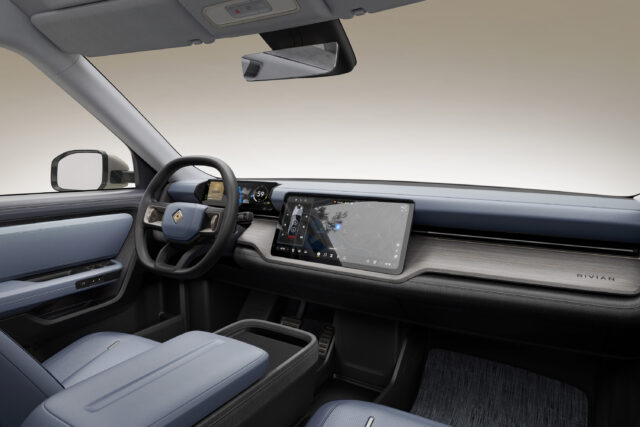
The R2X variant that Scaringe alluded to could represent a significant expansion of Rivian's product strategy, potentially offering enhanced off-road capabilities, increased ground clearance, or specialized performance features that would differentiate it from the standard R2 model. This approach follows industry trends where successful EV manufacturers create multiple versions of their core vehicles to maximize market penetration across different customer segments and price bands, much like Tesla has done with its Model Y lineup or how traditional automakers have expanded their model families over the years.
Beyond vehicle variants, Scaringe also disclosed that Rivian is exploring the development of proprietary lidar sensor technology, potentially in collaboration with Chinese manufacturers. This move represents a strategic shift toward vertical integration and could provide Rivian with greater control over its autonomous driving capabilities and sensor reliability. Lidar technology, which uses laser pulses to create detailed 3D maps of the surrounding environment, is crucial for advanced driver assistance systems and future autonomous driving features that are becoming increasingly important for modern electric vehicles.
The partnership consideration with a Chinese company for lidar development reflects the growing importance of international collaboration in developing cutting-edge automotive technology. China has become a global leader in sensor manufacturing and autonomous vehicle development, and partnering with established Chinese firms could accelerate Rivian's ability to integrate sophisticated autonomous driving features into its upcoming models, including the expanded R2 family.
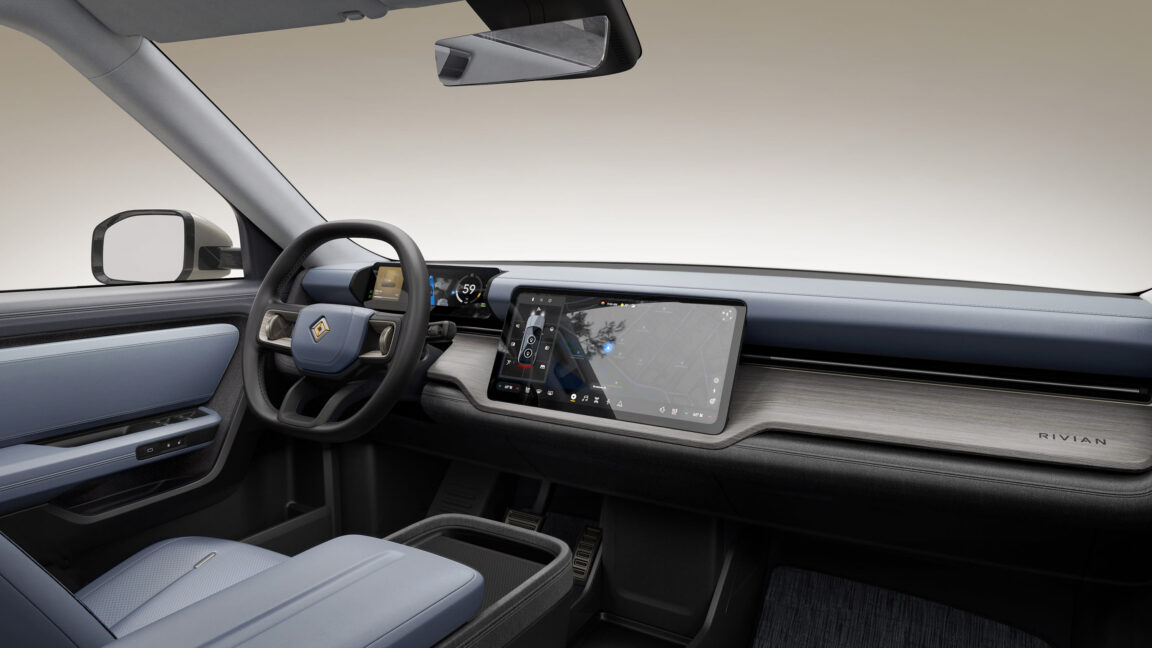
Currently, the initial production runs of the R2 are being manufactured at Rivian's production facility located in Normal, Illinois, which has been transformed from a former Mitsubishi Motors plant into a state-of-the-art electric vehicle manufacturing center. This facility represents a significant investment in American manufacturing and job creation, underscoring Rivian's commitment to domestic production while it expands its footprint in the global EV market.
The timing of Rivian's R2 launch is particularly strategic, as the electric vehicle market continues to mature and consumer demand shifts toward more affordable models with practical features and reasonable pricing. By offering multiple variants and configurations of the R2, Rivian can appeal to a broader demographic of consumers, from budget-conscious early adopters to premium buyers seeking luxury features and cutting-edge technology. This diversified approach positions Rivian to capture significant market share in the highly competitive midsize electric SUV segment.
The broader R2 lineup strategy demonstrates Rivian's understanding of market dynamics and the importance of product variety in driving sales volume and brand loyalty. As the company matures beyond its initial launch phase with the premium R1 models, the R2 represents an opportunity to establish Rivian as a mainstream electric vehicle manufacturer capable of serving customers across multiple market segments and price points.

Industry analysts expect the R2 variants to play a crucial role in Rivian's path to profitability and long-term sustainability. The company has faced challenges in ramping up production and managing costs, and the introduction of lower-priced variants could help achieve the sales volume necessary to reach economies of scale. Furthermore, by offering an R2X variant and other specialized versions, Rivian can maintain premium pricing for feature-rich models while still offering accessible options for price-sensitive consumers.
The development of multiple R2 variants also allows Rivian to test different market segments and gather valuable data about consumer preferences, which can inform future product development across its entire lineup. Whether customers prioritize performance, off-road capability, range, or minimalist design will provide insights that shape the company's long-term product strategy and help ensure that future vehicles meet actual market demands rather than theoretical assumptions.
As Rivian continues to establish itself as a serious competitor in the global electric vehicle market, the expansion of the R2 family represents a critical step in transitioning from a niche luxury brand to a mainstream automotive manufacturer. With the promise of competitive pricing, advanced technology features, and multiple variants to choose from, the R2 lineup could prove instrumental in driving Rivian's growth trajectory over the coming years.
Source: Ars Technica


