
RMT Halts London Underground Strike Action

Rail, Maritime and Transport union cancels planned 24-hour tube strikes scheduled for Tuesday. Latest developments in ongoing negotiations.
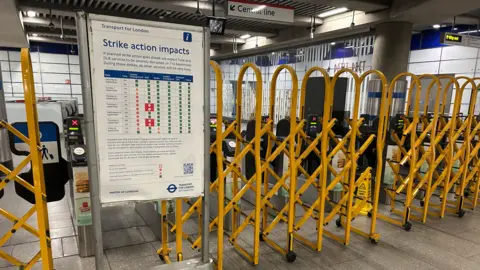
In a significant development for London commuters, the Rail, Maritime and Transport (RMT) union has announced the cancellation of a series of planned 24-hour strikes that were originally scheduled to commence on Tuesday. The decision marks a potential turning point in the ongoing labor disputes that have plagued the capital's transportation network in recent months, bringing relief to millions of daily passengers who rely on the underground system for their commute.
The RMT union strike cancellation comes after intensive negotiations between union representatives and Transport for London (TfL) management. The union, which represents thousands of railway workers across the country, had previously announced the strike action as part of broader industrial action to address ongoing disputes regarding pay, working conditions, and job security. By calling off the strikes, the union signals a willingness to continue dialogue with employers at the negotiating table rather than pursue further disruptive industrial action.
London's transport infrastructure has experienced considerable strain from previous industrial actions organized by the RMT and other unions representing transport workers. These disruptions have had cascading effects on the capital's economy, affecting businesses, workers, and tourists alike. The cancellation of these strikes represents an important reprieve for the city's economic activity and daily operations, allowing commuters to plan their journeys with greater certainty.
The background to these labor disputes extends back several months, with transportation unions pushing for better terms in response to rising costs of living and workforce challenges. The RMT has been vocal about the need for improved pay packages, enhanced pension protections, and guarantees against job losses, particularly in light of technological changes affecting the railway and underground sectors. These issues have resonated with union members and formed the basis for their negotiating position with management.
Transport for London officials have acknowledged the importance of maintaining constructive dialogue with union representatives. The organization has indicated its commitment to addressing legitimate concerns raised by workers while also considering the operational and financial constraints facing the public transport provider. The cancellation of strikes suggests that both parties recognize the mutual benefits of reaching compromises rather than pursuing protracted industrial action.
The tube strike cancellation announcement has been welcomed by business groups and commuter organizations across London. Many business leaders have emphasized the economic importance of labor peace in the transportation sector, given the critical role that the underground plays in moving workers to their jobs and supporting retail and hospitality sectors throughout the city. The decision to suspend strikes allows these businesses to operate with reduced disruption and uncertainty.

Union officials, in announcing the cancellation, have emphasized that this decision does not represent an abandonment of their members' concerns or negotiating objectives. Rather, they have framed it as a tactical pause that allows for more productive negotiations without the disruption of strike action. This approach reflects a strategic calculation that continued dialogue may yield better results than further escalation of industrial action at this time.
The timing of the RMT strike suspension is noteworthy, coming as London prepares for the busy winter season when underground usage typically increases. Retailers, hospitality venues, and service providers across the capital had been bracing for significant disruption had the strikes proceeded as scheduled. The cancellation provides these sectors with greater stability and predictability for the crucial trading period ahead.
Looking ahead, both the union and management have indicated their intention to continue negotiations in the coming weeks and months. Key issues on the agenda include wage increases that reflect inflation and cost-of-living pressures, job security guarantees amid workforce restructuring, and improved working conditions for transport workers. The success or failure of these negotiations will likely determine whether future strike action becomes necessary.
The broader context of labor relations in the transport sector remains complex and multifaceted. Beyond the RMT, other unions representing bus drivers, maintenance workers, and administrative staff have pursued their own negotiations with transport authorities. The pattern of dialogue, negotiation, and occasionally industrial action has characterized the sector for years, reflecting the challenging balance between worker rights and public service obligations.
Commuters have responded positively to news of the strike cancellation, with many expressing relief at the prospect of uninterrupted service. Social media platforms and commuter forums have reflected widespread gratitude for the decision, though some commentators have urged both parties to reach a comprehensive agreement that addresses the underlying concerns that prompted strike action in the first place. Consumer sentiment suggests that further disruption would be unwelcome.
The tube workers dispute resolution represents an important test case for labor relations in London's public transport system. How these negotiations conclude may serve as a model or cautionary tale for other sectors facing similar tensions between workforce demands and organizational constraints. The willingness of both parties to continue dialogue suggests that progress may be possible through constructive engagement.
Industry analysts have noted that the RMT's decision to call off strikes reflects shifting dynamics in the labor market and negotiating landscape. Changes in government policy, economic conditions, and public sentiment toward industrial action all influence union strategy. The cancellation suggests that union leadership has assessed the current circumstances as more favorable to negotiation than to strike escalation, at least for the immediate term.
The outcome of ongoing negotiations between the RMT and transport authorities will have implications extending beyond the immediate parties involved. The arrangement and precedents established in these discussions may influence labor relations across the broader public sector, where similar tensions between wage demands and fiscal constraints frequently emerge. Observers across government and industry will be watching developments closely.
Source: BBC News


