
Robbins Blocked Mandelson Vetting Details From Cabinet Office

Cabinet Office chief Cat Little reveals Olly Robbins refused to share Peter Mandelson's vetting summary, escalating controversy over security clearance procedures.
In a significant development during parliamentary testimony, Cat Little, the Cabinet Office's most senior civil servant, has publicly disputed claims regarding the handling of security vetting procedures. Her evidence to Members of Parliament addresses a serious allegation that challenges the transparency and proper governance of the UK's security clearance process, raising important questions about institutional accountability and the proper chain of command within government departments.
According to Little's statement, Olly Robbins, the now-dismissed head of the Foreign Office, took the extraordinary step of refusing to hand over Peter Mandelson's vetting summary to the Cabinet Office. This refusal represents a potential breach of standard governmental protocol, as such documentation typically flows through established departmental channels to ensure proper oversight and adherence to security procedures across the civil service.
The vetting summary in question contained sensitive information that would have revealed critical details about the decision-making process surrounding Mandelson's security clearance. Specifically, the document showed that Robbins had granted clearance to the former Labour figure despite receiving explicit advice against doing so from security officials whose professional role is to assess such matters.
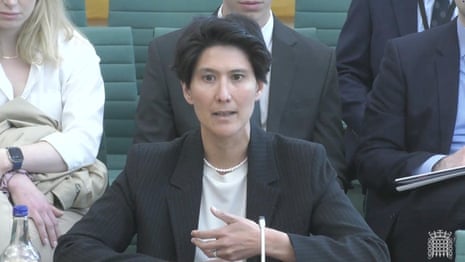
Little's testimony directly contradicts earlier assertions made by other parties involved in the process. The Cabinet Office chief disputes the claim that her department had suggested that vetting might not be necessary in this case. This contradiction is particularly significant because it raises questions about whether proper procedures were followed and whether there was appropriate documentation of the decision-making process at each stage.
Instead of being provided to the Cabinet Office through normal channels, the vetting summary was delivered directly to Little herself by UK Security Vetting, the body responsible for conducting the actual security clearance assessments. This unusual routing of information suggests that normal departmental procedures may have been circumvented, creating a potential gap in the audit trail of how the clearance decision was handled.
The Peter Mandelson security clearance controversy has become a major issue in recent weeks, attracting significant scrutiny from Parliament and the media. Mandelson, a long-time Labour figure with decades of political experience, had been expected to take on a significant government role, making the vetting process particularly important and subject to heightened public interest.

The revelation that security officials had advised against granting clearance to Mandelson raises fundamental questions about the weight given to professional security assessments in governmental decision-making. When officials responsible for national security recommend against clearance, their expertise should typically be respected unless there are compelling reasons to override such recommendations, with proper documentation of those reasons.
Robbins' decision to refuse providing the vetting summary to the Cabinet Office appears to have been an attempt to limit the visibility of the security officials' concerns about Mandelson's clearance. By keeping this information from the broader Cabinet Office apparatus, the decision-making process regarding the clearance became less transparent and subject to less institutional oversight.
The fact that the summary eventually reached Little through UK Security Vetting rather than through Robbins suggests that there may have been institutional pressure or concern about the handling of the matter. UK Security Vetting, as the organization responsible for conducting objective assessments, would have had both the authority and the responsibility to ensure that accurate information about their recommendations was properly documented and communicated to relevant parties.
This controversy raises important questions about accountability within the civil service and the mechanisms in place to ensure that proper procedures are followed. When senior officials like Robbins decline to follow standard protocols for the transmission of sensitive information, it creates potential gaps in oversight and accountability that can undermine public confidence in government.
The timing of these revelations also matters significantly. Robbins has since been removed from his position at the Foreign Office, suggesting that the concerns about his handling of this matter and potentially other issues have been deemed serious enough to warrant his dismissal. This underscores the gravity with which government leadership has treated the allegations regarding his conduct in the Mandelson vetting process.
Cat Little's testimony to Parliament is likely to intensify the scrutiny on how government vetting procedures are implemented and overseen. Her statements, as the head of the Cabinet Office, carry significant weight and credibility, as her department is responsible for ensuring that civil service standards are maintained across government. Her willingness to publicly contest claims about her department's role in the process suggests a commitment to transparency and a desire to set the record straight on this important matter.
The broader implications of this controversy extend beyond the Mandelson case itself. The handling of security vetting is a crucial aspect of governmental function, affecting not only high-profile political figures but also thousands of civil servants and government contractors. When the integrity of these processes is called into question, it creates potential risks for national security and public confidence in government decision-making.
Going forward, this situation may prompt a comprehensive review of how security vetting information is handled, documented, and transmitted between departments. The establishment of clearer protocols and better documentation requirements could help prevent similar situations where the chain of communication breaks down or where standard procedures are circumvented by individual officials.
Source: The Guardian


