
Robbins Questions Over Mandelson Vetting Process

Former Foreign Office chief Sir Olly Robbins tells MPs he may have been misled about Peter Mandelson's vetting status. New details emerge about the controversial clearance process.
Sir Olly Robbins, the recently dismissed permanent secretary of the Foreign Office, has provided parliamentary testimony that casts significant doubt on whether he received accurate information regarding Peter Mandelson's vetting process. During his appearance before a select committee, the senior civil servant detailed his understanding of how the prominent Labour figure was assessed by the UK Security Vetting (UKSV) agency, offering fresh insights into a controversy that has engulfed the government.
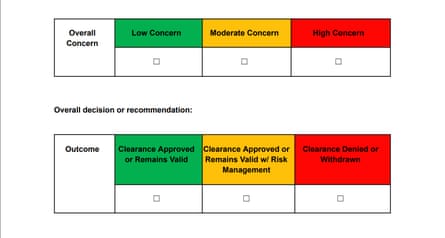
The testimony from Robbins has sparked considerable concern about the integrity of the government vetting procedures and whether key officials were genuinely informed about critical security assessments. According to his account, Robbins was briefed that UKSV had classified Mandelson as "a borderline case" during their evaluation. This characterization stands in sharp contrast to what has subsequently emerged regarding the agency's actual findings and recommendations.
Robbins was removed from his position as permanent secretary at the Foreign Office following revelations published by the Guardian that exposed significant discrepancies in how Mandelson's security clearance was handled. The former civil servant's departure marked a dramatic escalation in what had already become a substantial political crisis for the government under Keir Starmer's leadership. His testimony before MPs represents one of the first substantial public accounts from someone directly involved in the decision-making process.

The questions now emerging focus on the critical gap between what Robbins claims he was told about the vetting decision and what the actual assessment contained. If indeed Robbins was misled or provided incomplete information about UKSV's evaluation, this would represent a serious breach of protocol within the civil service and raise troubling questions about the reliability of internal communications on matters of national security. The implications extend beyond the immediate circumstances surrounding Mandelson's appointment.
Peter Mandelson, a longtime figure in British politics with a complex history of previous security concerns, was appointed as Foreign Secretary despite the complications in his vetting process. His appointment itself became controversial, with many questioning whether appropriate scrutiny had been applied given his background and previous controversies. The Guardian's investigative reporting revealed that the standard vetting procedures appeared to have been circumvented or overridden in ways that departed from established government protocols.
The distinction between how Robbins characterizes the UKSV assessment and what the agency actually determined represents the crux of the current inquiry. If Robbins was indeed briefed that Mandelson represented merely a "borderline case," this language suggests a level of ambiguity or marginal concern that might not have triggered alarm bells for senior officials reviewing the decision. However, evidence has since surfaced indicating that the actual vetting findings were more serious and potentially disqualifying than this characterization would suggest.
The timing of Robbins' removal from office and his subsequent parliamentary testimony has intensified speculation about the full scope of what transpired during the vetting clearance process. His departure came just days before his select committee appearance, suggesting that the government may have wanted to distance itself from the civil servant as he prepared to give evidence. This sequence of events has only fueled greater concern about whether there was deliberate effort to manage or control the narrative around Mandelson's security assessment.
Parliamentary members have seized upon Robbins' testimony as an opportunity to probe deeper into how decisions of this magnitude are made within the civil service and whether there are adequate safeguards to prevent the manipulation or misrepresentation of security vetting outcomes. The select committee process represents a critical mechanism for holding government accountable when standard procedures appear to have been compromised. Multiple MPs have indicated their intention to pursue further investigation into the matter.
The broader implications of this controversy extend to fundamental questions about the integrity of government institutions and whether the career civil service can operate independently of political pressure. When vetting decisions appear to be subject to override or reinterpretation based on political considerations, this undermines the credibility of the entire security assessment system. The public relies on the assumption that such processes are conducted objectively and without interference from ministerial interests.

Mandelson's background includes previous security-related issues that have been publicly documented. His appointment to such a senior position responsible for overseeing the Foreign Office and international relations made the vetting assessment particularly consequential. The circumstances surrounding his clearance will inevitably raise questions about whether similar processes in other cases have been similarly compromised or subject to political influence.
The investigation into these events is ongoing, with multiple inquiries now underway at different levels of government. The Parliamentary committees involved have indicated their intention to call additional witnesses and examine documents related to the decision-making process. This expanded scrutiny reflects the seriousness with which parliamentarians view the potential breach of government protocols and security procedures.
Looking forward, the ramifications of this controversy will likely extend beyond the immediate circumstances involving Mandelson and Robbins. There will undoubtedly be calls for a comprehensive review of how vetting processes are conducted and what safeguards exist to prevent political interference. The civil service's reputation for impartiality and independence may require substantial rebuilding efforts once this matter is fully resolved.
The public interest in this matter remains high, with continuing media coverage and political analysis examining the implications of each new revelation. Robbins' testimony has provided crucial firsthand information about what senior officials were told at critical moments in the decision-making process. Whether his account ultimately supports claims of deliberate misleading or suggests a more complex and ambiguous breakdown in communication remains to be determined as the inquiry continues.


