
Robbins Reveals Pressure Over Mandelson US Ambassador Role

Former Foreign Office permanent secretary Oliver Robbins discusses pressure from Downing Street regarding Peter Mandelson's appointment as US ambassador.
Oliver Robbins, the recently dismissed senior civil servant who previously held the position of permanent secretary at the Foreign Office, has made significant claims regarding the appointment of prominent Labour figure Peter Mandelson to the prestigious role of UK ambassador to the United States. In a candid account of his experience, Robbins revealed that he endured what he characterized as "constant pressure" from government officials when assuming his responsibilities at the Foreign Office, with particular focus on expediting Mandelson's diplomatic posting.
The appointment of a new US ambassador represents one of the most crucial diplomatic positions available to the British government, given the vital nature of UK-US relations on the global stage. The role requires careful consideration, strategic alignment with government priorities, and adherence to established vetting procedures that are designed to ensure the suitability and security clearance of individuals representing Britain at such a senior level. Mandelson, a veteran of the New Labour government and former European Commission vice-president, brought considerable international experience to the consideration, yet his accelerated appointment appears to have triggered internal governmental tensions.
According to Robbins' account, the pressure to circumvent standard protocols originated from the Cabinet Office, which represents the central coordinating body of the UK government and works directly under the Prime Minister's authority. The Cabinet Office allegedly urged the Foreign Office to enable Mandelson's appointment to proceed without completing the mandatory vetting process that typically accompanies such high-level diplomatic positions. This request placed Robbins and the Foreign Office in a difficult position, caught between political directives from senior government figures and the institutional responsibility to maintain proper security protocols and procedural integrity.

The Foreign Office, under Robbins' stewardship, ultimately resisted the pressure to bypass established procedures, demonstrating institutional resistance to what could have been viewed as a breach of proper governmental practice. Rather than acquiesce to demands for streamlined appointment processes, the Foreign Office maintained its position that appropriate vetting procedures must be followed regardless of political pressure or timeline considerations. This pushback from the institution's permanent civil service leadership highlights the tension between political objectives and administrative requirements that frequently emerges within government operations.
Following the Foreign Office's resistance to the proposed circumvention of standard procedures, the vetting process for Mandelson's appointment eventually proceeded through normal channels. The decision to maintain institutional protocols, while politically challenging, reflected Robbins' commitment to upholding the civil service standards and constitutional conventions that govern British government operations. The vetting process, when finally allowed to proceed, would have examined Mandelson's background, security status, and suitability for the role in accordance with established government guidelines.
Robbins' revelations regarding the political pressure surrounding Mandelson's appointment raise important questions about the relationship between political direction and civil service independence. The permanent secretary's role traditionally encompasses a duty to ensure that government operations maintain procedural integrity while remaining responsive to elected officials' policy objectives. This delicate balance was clearly tested during the process of appointing Mandelson, as evidenced by Robbins' account of the sustained pressure he experienced.

The circumstances surrounding this diplomatic appointment reflect broader patterns within the current government structure, where various stakeholders vie for influence over significant personnel decisions. The involvement of the Cabinet Office in attempting to streamline or bypass established procedures suggests a level of urgency or priority attached to securing Mandelson's appointment at an accelerated pace. Whether this urgency stemmed from geopolitical considerations, strategic timing, or other governmental priorities remains an important question in understanding the full context of these events.
Robbins' subsequent dismissal from his position as Foreign Office permanent secretary adds another layer of complexity to this narrative. The former civil servant's willingness to speak publicly about the pressure and institutional conflicts he experienced suggests that his removal may have been connected to his resistance to the Cabinet Office's requests regarding Mandelson's appointment. This potential correlation between institutional pushback and career consequences raises significant questions about the treatment of senior civil servants who resist political pressure to abandon established protocols.
The UK civil service operates under a system designed to balance political accountability with institutional integrity, where permanent secretaries serve as guardians of proper governmental procedure while remaining responsive to elected ministers' policy directions. Robbins' account illustrates how this balance can become strained when political figures seek to expedite appointments or bypass standard processes. The tension between these competing interests reflects ongoing debates about the appropriate relationship between Britain's political leadership and its career civil service.
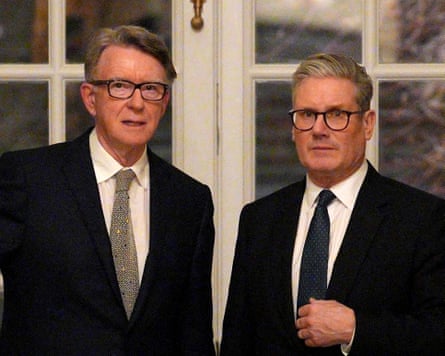
The appointment of ambassadors and other senior diplomatic representatives typically involves careful consideration of candidates' qualifications, international experience, and ability to effectively represent British interests abroad. The vetting procedures exist not merely as bureaucratic formality but as essential safeguards to ensure that individuals in sensitive diplomatic roles meet rigorous standards. When political pressure arises to circumvent these procedures, it raises legitimate concerns about whether appropriate standards are being maintained.
Peter Mandelson's extensive background in government and international relations presumably would have survived the vetting process regardless, making the urgency to bypass established procedures all the more puzzling. His decades of experience in senior government positions, coupled with his established international profile, suggested he possessed the qualifications necessary for the ambassador role. The pressure to accelerate his appointment without proper vetting thus appears less about genuine concerns regarding his suitability and more about timeline considerations or other institutional priorities.
Looking forward, Robbins' public account of these events will likely prompt further scrutiny of how appointment decisions are made within government and whether appropriate safeguards remain in place to protect institutional integrity. The incident also raises broader questions about the treatment of civil servants who resist political pressure and the extent to which the permanent civil service can maintain independence when institutional decisions conflict with government leadership's preferred outcomes. These questions will continue to resonate within Whitehall and Westminster as ongoing debates about governance and civil service autonomy persist.
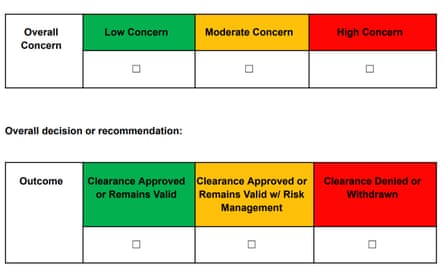
The revelation of pressure surrounding high-level diplomatic appointments underscores the importance of transparent governance and adherence to established procedures, even when political circumstances create urgency or competing priorities. Robbins' willingness to articulate his experiences publicly demonstrates a commitment to accountability and institutional principles, regardless of personal consequences. As these events continue to unfold and receive greater scrutiny, they will contribute to broader conversations about the future of civil service independence and the mechanisms through which government operates.
Source: The Guardian


