
Robot Revolution: How AI Machines Could Reshape Fashion Manufacturing

Discover how advanced robotic technology is transforming garment production and potentially bringing textile manufacturing back to Western nations from Asia.
The global fashion industry has long relied on massive manufacturing operations concentrated in Asian countries, where labor costs remain significantly lower than in Western nations. However, a technological revolution is quietly unfolding that could fundamentally reshape where and how clothes are produced worldwide. Robotic manufacturing technologies are emerging as game-changers, offering the potential to decentralize textile production and bring substantial portions of garment manufacturing back to North America and Europe.
For decades, the economics of apparel production have been straightforward: move manufacturing to countries with the lowest labor expenses and highest labor availability. This outsourcing model has created massive economic dependencies, with Asia—particularly China, Vietnam, Bangladesh, and Indonesia—controlling the majority of global garment production. However, the underlying assumption that human labor will always be cheaper than automation is beginning to shift as machine learning and advanced robotics mature and become more cost-effective. The convergence of artificial intelligence, precision engineering, and improved production speed is making onshore manufacturing increasingly viable.
Several innovative companies are developing cutting-edge robotic systems specifically designed for apparel manufacturing. These sophisticated machines can handle complex tasks that were previously thought to require human dexterity and judgment, such as sewing intricate seams, applying delicate embellishments, and handling various fabric types with precision. The technology represents a significant departure from earlier industrial robots that could only perform repetitive, simple tasks on rigid materials. Modern fashion automation systems incorporate computer vision, artificial intelligence algorithms, and adaptive mechanical systems that allow them to work with soft, flexible materials that have proven notoriously difficult for machines to manipulate.
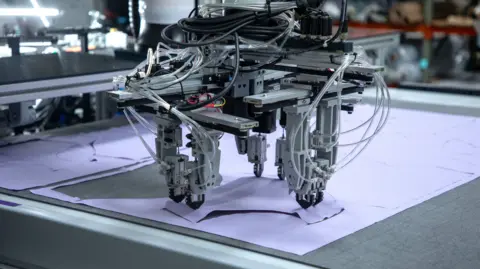
One of the most compelling advantages of automated garment production is the dramatic reduction in manufacturing timelines. Robotic systems can operate continuously without fatigue, breaks, or shift changes, potentially producing garments 24/7. This efficiency gain could allow companies to manufacture clothing closer to consumer markets, reducing shipping times and costs while minimizing inventory requirements. The ability to produce smaller batches more quickly also enables brands to respond more dynamically to fashion trends and customer demands, reducing the need for massive seasonal inventories that often go unsold.
Environmental considerations are another critical factor driving interest in reshoring manufacturing with robotic automation. Manufacturing garments in Asia requires extensive transportation across oceanic distances, generating significant carbon emissions. Bringing production back to Western markets would substantially reduce the environmental footprint of fashion supply chains. Additionally, modern Western factories typically operate under stricter environmental regulations, potentially reducing water pollution, chemical waste, and other manufacturing byproducts that plague many Asian textile facilities.
Labor considerations also feature prominently in discussions about bringing manufacturing back to developed nations. While automation replaces some traditional factory jobs, it also creates new categories of employment in robotics maintenance, quality control, machine programming, and supply chain management. These positions typically offer higher wages and better working conditions than traditional garment manufacturing roles. Furthermore, the political and social costs associated with manufacturing in regions with documented labor concerns—including inadequate wages, unsafe working conditions, and limited worker protections—are increasingly problematic for brands facing consumer scrutiny and regulatory pressure.

The transition from Asian-based to robot-powered clothing manufacturing would represent a significant geopolitical shift in the global economy. For decades, developing nations have relied on textile and apparel manufacturing as a primary pathway to economic development and industrialization. The potential loss of these industries could have profound consequences for employment in countries where the fashion industry represents a substantial portion of manufacturing jobs and GDP contribution. However, the reality is that global labor economics are shifting regardless, and countries that fail to adopt automation technology may find themselves economically disadvantaged in increasingly competitive global markets.
Implementation challenges remain substantial, even as the technology matures. Current robotic systems for garment production require significant capital investment, with factory setup and equipment costs running into tens of millions of dollars. The infrastructure to support these factories, including supply chains for materials, quality control systems, and skilled technical workforces, requires substantial development in Western markets. Additionally, the complexity of fashion—with its endless variety of styles, fabrics, and production requirements—means that robots must be increasingly flexible and adaptable, a characteristic that current technology is only beginning to achieve at commercial scale.
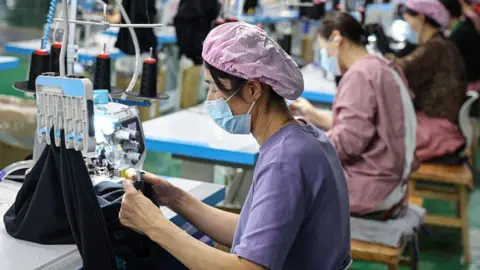
Several companies are actively investing in this technological frontier. Some established machinery manufacturers are partnering with fashion brands and startup companies to develop and deploy next-generation production systems. These collaborations aim to solve specific challenges related to fabric handling, quality consistency, and production flexibility. Some innovative startups are focusing on niche market segments—such as custom apparel, premium products, or specialty items—where the combination of automation's precision and flexibility could command premium prices that justify the higher capital costs.
The timeline for widespread adoption of automated clothing production remains uncertain, with industry experts offering diverse predictions. Some suggest that within ten to fifteen years, robots could handle a significant portion of basic garment manufacturing in Western markets. Others argue that the complexity of fashion production means that human workers will remain essential for complex tasks for the foreseeable future. Most likely, the future will involve hybrid manufacturing systems that combine human workers and robotic systems, with machines handling routine tasks and humans focusing on design, quality control, and complex, specialized work.
The potential return of manufacturing to Western nations would have cascading effects throughout the global economy. Real estate development near manufacturing centers would accelerate, skilled technical jobs would proliferate, and supply chains would shorten dramatically. Consumer prices might stabilize or even decrease as transportation costs and inventory carrying costs diminish. However, the transition period could be challenging for regions and workers currently dependent on Asian garment manufacturing, highlighting the complex relationship between technological progress and economic disruption.
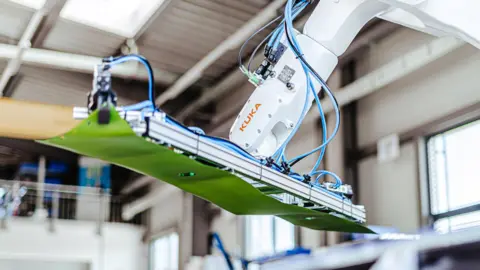
The future of fashion manufacturing appears to be at an inflection point, with robotic technology presenting a compelling alternative to the decades-old model of outsourcing production to low-cost labor markets. While significant challenges remain in technology development, capital requirements, and supply chain establishment, the trajectory is clear: machines capable of producing quality garments efficiently are becoming increasingly sophisticated and economically viable. Whether this revolution unfolds rapidly or gradually will depend on continued technological breakthroughs, capital availability, policy decisions, and consumer acceptance of products manufactured by automated systems. The next generation of t-shirts and other apparel may well be sewn not by workers in distant factories, but by advanced machines operating in facilities much closer to where consumers actually live.
Source: BBC News


