
Rocket Report: China's Launch Boom & Falcon 9 Returns

NASA's Artemis II faces delays as SLS undergoes testing. Chinese launch companies secure major funding while sovereign space access becomes national priority.
Welcome to this week's comprehensive Rocket Report covering the latest developments in global space launch activities. As we compile this edition, NASA's ambitious Space Launch System rocket is currently undergoing its second critical countdown rehearsal at Kennedy Space Center in Florida. The results of this crucial test will ultimately determine whether NASA can proceed with launching the Artemis II mission around the Moon within the next month, or if the agency will face additional delays pushing the launch window to April or potentially even later in the year. The primary focus of concern remains the problematic fueling line connected to the rocket's core stage, which has been the source of significant technical challenges after a hydrogen leak forced an early termination of the previous practice countdown conducted earlier this month.
The space launch industry continues to evolve rapidly, with multiple nations and private companies vying for position in what has become an increasingly competitive marketplace. Our weekly report maintains its commitment to providing comprehensive coverage of launch activities across all categories, from small-lift vehicles designed for cubesat deployments to heavy-lift rockets capable of interplanetary missions. We consistently encourage reader participation and submissions from our engaged community of space enthusiasts, industry professionals, and technical experts who provide valuable insights and breaking news from around the globe.
For those seeking to stay informed about the latest developments in rocket technology and launch schedules, our subscription service ensures uninterrupted delivery of each weekly edition directly to your inbox. Each comprehensive report includes detailed information covering the full spectrum of launch vehicles, from small-lift rockets designed for specialized payloads to medium-lift vehicles serving commercial satellite markets, as well as heavy-lift rockets supporting major government and commercial missions. Additionally, we provide forward-looking analysis with detailed previews of the three most significant upcoming launches on the international calendar.
The current landscape of space launch capabilities reflects a rapidly changing geopolitical and commercial environment. Chinese launch companies have been particularly active in securing substantial funding rounds, indicating strong government and private sector confidence in the nation's growing space capabilities. Meanwhile, SpaceX's Falcon 9 rocket continues its impressive operational cadence with a return to launch operations from the Bahamas, demonstrating the flexibility and reliability that has made it the world's most frequently used orbital-class launch vehicle.
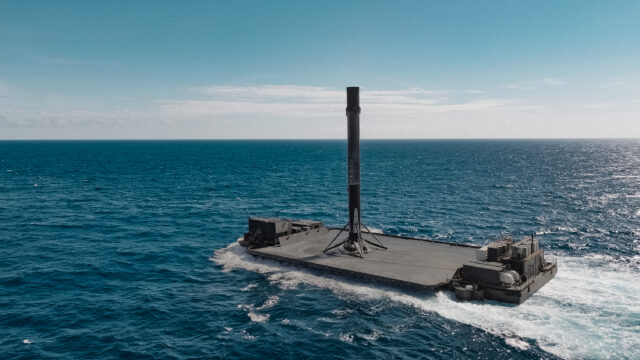
The question of sovereign launch capabilities has emerged as a critical consideration for nations seeking to maintain independent access to space for national security and commercial purposes. While no country appears positioned to challenge the current American and Chinese dominance in the global launch market in the immediate future, several key US allies have identified sovereign space access as a fundamental national security imperative requiring immediate attention and substantial investment. This shift in strategic thinking reflects growing concerns about supply chain dependencies and the potential for geopolitical tensions to disrupt access to space-based assets and services.
Taking advantage of existing private sector launch initiatives already developing within their domestic markets, several middle and regional powers have recently approved significant government funding packages designed to support commercial startups in their efforts to reach operational status. These strategic investments represent a fundamental shift from previous decades when space access was primarily the domain of major superpowers with extensive government-funded programs. The new approach leverages private sector innovation and efficiency while providing the government backing necessary to compete in the challenging launch market.
Among the nations currently lacking independent orbital launch capabilities, Australia, Canada, Germany, and Spain have emerged as the most serious contenders actively investing substantial resources to establish domestic launch industries. Australia has been particularly aggressive in this regard, leveraging its geographic advantages and existing aerospace industry to attract both domestic and international launch companies to establish operations on Australian soil. The country's location provides excellent access to polar and sun-synchronous orbits that are increasingly valuable for Earth observation and communications satellite constellations.
Canada's approach has focused on leveraging its existing aerospace expertise and manufacturing capabilities, building upon decades of experience in satellite technology and space robotics. The Canadian government has recognized that maintaining technological sovereignty in space requires more than just satellite manufacturing capabilities, necessitating independent launch access to ensure national security and commercial competitiveness. German efforts have centered around supporting European launch initiatives while also fostering domestic capabilities that could provide backup options for critical national security payloads.
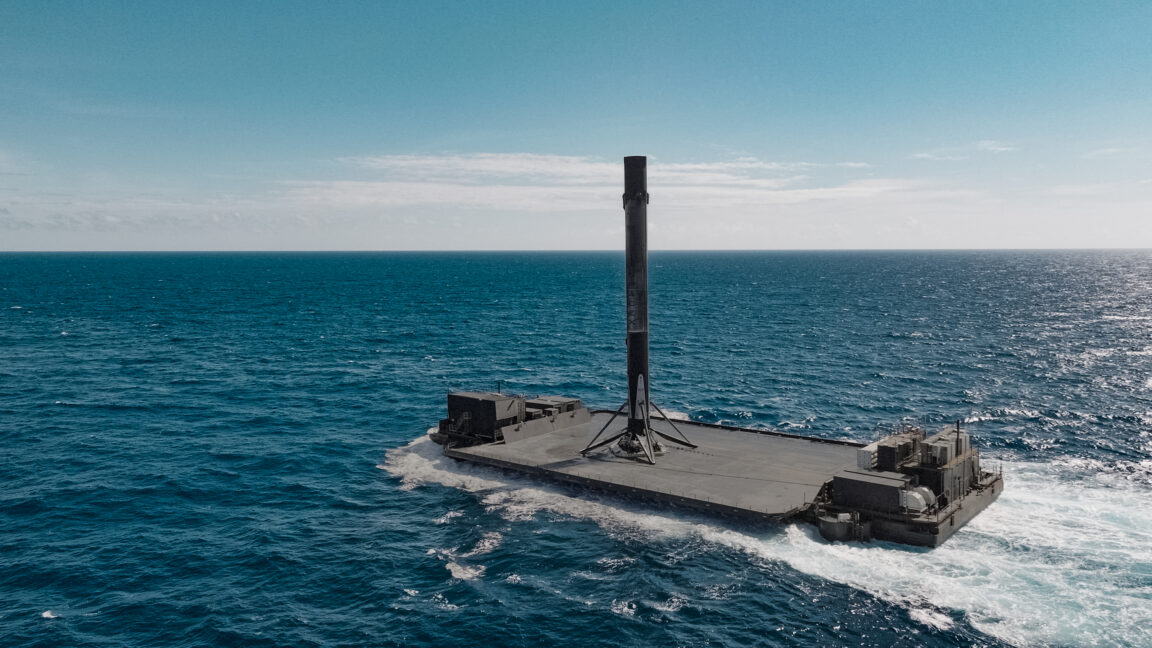
Spain has taken a unique approach by positioning itself as a potential European launch hub, taking advantage of its geographic location and existing aerospace infrastructure. The Spanish government has been working to attract international launch companies while simultaneously supporting domestic startups developing innovative launch technologies. This dual approach aims to create a robust ecosystem that can support both commercial and government launch requirements while contributing to European strategic autonomy in space access.
However, the reality of developing sovereign launch capabilities extends far beyond initial funding commitments and political declarations. Many nations have made ambitious statements about their intentions to develop independent space launch capabilities, but have failed to follow through with the substantial financial commitments required to transform aspirations into operational reality. The technical, regulatory, and infrastructure challenges associated with establishing a competitive launch industry require sustained investment over many years, along with the political will to maintain support through inevitable setbacks and delays.
The commercial space launch market has demonstrated that success requires more than government funding and national pride. Companies must develop reliable, cost-effective launch vehicles that can compete with established providers like SpaceX, which has fundamentally transformed industry expectations for launch frequency, reliability, and cost. The technical barriers to entry remain substantial, requiring expertise in propulsion systems, avionics, materials science, and systems integration that takes years to develop and validate through actual flight experience.
Furthermore, the regulatory environment for space launches continues to evolve, with environmental concerns, range safety requirements, and international coordination adding complexity to launch operations. Nations seeking to establish domestic launch capabilities must also develop the regulatory framework and infrastructure necessary to support safe and efficient launch operations while meeting international obligations and environmental standards.

The Chinese space industry continues to demonstrate remarkable growth and capability development, with private companies increasingly able to attract significant funding from both domestic and international investors. This funding influx reflects confidence in China's long-term space ambitions and the technical capabilities being demonstrated by Chinese launch companies. The combination of government support, private investment, and a large domestic market for launch services has created a favorable environment for Chinese launch companies to develop and test new technologies.
Meanwhile, SpaceX's continued operational success with the Falcon 9 rocket serves as a benchmark for emerging launch providers worldwide. The company's return to launch operations in the Bahamas demonstrates the global reach and operational flexibility that has made Falcon 9 the preferred launch vehicle for many commercial and government customers. This operational cadence and reliability standard represents the level of performance that new entrants must achieve to compete effectively in the global launch market.
The current state of the launch industry reflects broader trends in space commercialization, with private companies increasingly taking leading roles in developing and operating space transportation systems. This shift has created opportunities for nations to leverage private sector innovation and investment while still maintaining strategic control over critical space access capabilities. However, it also requires governments to develop new approaches to regulation, funding, and oversight that can support private sector success while ensuring national security objectives are met.
Looking ahead, the next several months will be critical for determining the trajectory of several major space initiatives. NASA's Artemis program faces crucial tests that will determine the timeline for returning humans to lunar orbit and eventually to the lunar surface. Meanwhile, the growing number of nations investing in sovereign launch capabilities will begin to see the first results of their investments, providing valuable lessons about the challenges and opportunities associated with developing independent space access in an increasingly competitive global market.

Source: Ars Technica


