
Rocket Report: Pentagon Seeks More Missile Interceptors, Artemis II Clears Review

NASA officials are optimistic about launching Artemis II next month, as Firefly Aerospace's Alpha rocket returns to flight after a previous failure.
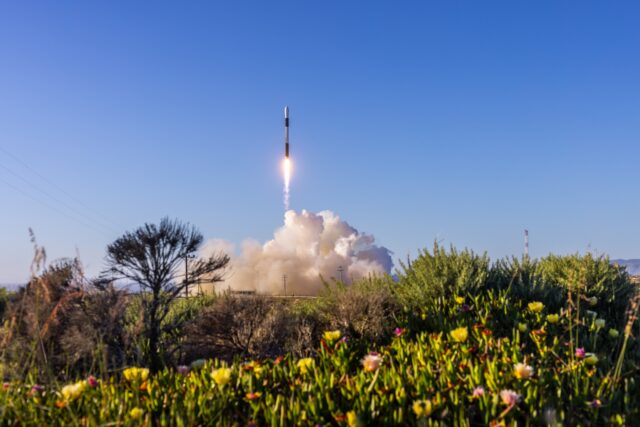
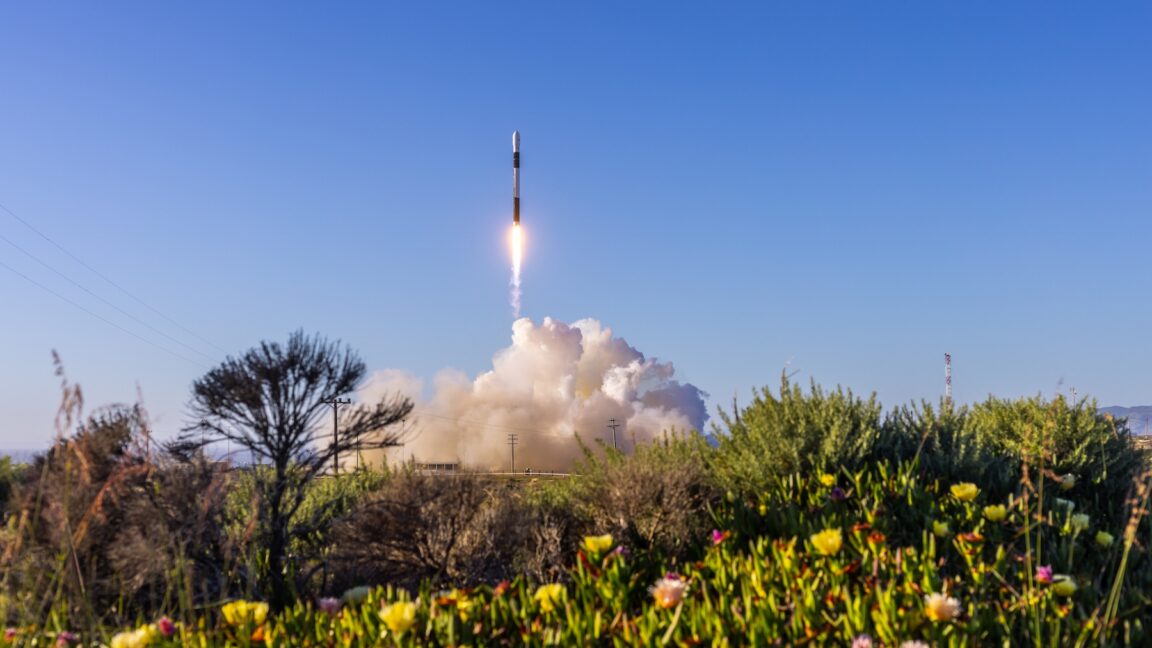
Firefly's Alpha rocket flies again. Firefly Aerospace's Alpha rocket successfully returned to flight on Wednesday, March 11, launching a technology demonstration mission after a previous failure. The launch, which took place from Vandenberg Space Force Base in California, marked the second flight of the Alpha rocket.
The mission aimed to validate several upgrades and improvements to the rocket, including modifications to the guidance and control systems, as well as the propulsion systems. Firefly Aerospace has been working to address the issues that led to the failure of the rocket's first launch in September 2021. The company is focused on refining its launch capabilities and reliability as it continues to develop its small satellite launch services.
Pentagon needs more missile interceptors. The U.S. Missile Defense Agency is seeking to increase the number of ground-based interceptors in its arsenal to counter the growing threat from ballistic missiles, particularly from North Korea and Iran. The agency plans to add 20 more interceptors to the existing 44 interceptors based in Alaska and California, which are part of the Ground-based Midcourse Defense system.
The move comes as the Pentagon faces increasing pressure to bolster its missile defense capabilities in response to the rapidly evolving missile threats from adversaries. The additional interceptors will provide more defensive coverage and enhance the overall resilience of the nation's missile defense system. The Missile Defense Agency is working to modernize and expand its capabilities to keep pace with the evolving missile landscape.
Artemis II mission clears key review. NASA officials have expressed optimism about the upcoming Artemis II mission, which is set to launch as early as next month. The agency has decided to forgo another fueling test on the Space Launch System (SLS) rocket, confident that the integrity of the fickle seals in the liquid hydrogen loading line has been addressed.
The Artemis II mission will mark the first crewed flight of the SLS rocket and the Orion spacecraft, paving the way for future human exploration of the Moon. NASA has six available launch dates in early April, with the current target set for April 1 at 6:24 pm EDT (22:24 UTC). The agency is focused on ensuring a successful launch, with the added benefit of a day launch that will provide better viewing opportunities for spectators.

As always, the Rocket Report welcomes reader submissions. If you don't want to miss an issue, please subscribe using the form below. Each report will include information on small-, medium-, and heavy-lift rockets, as well as a quick look ahead at the next three launches on the calendar.
Source: Ars Technica


