
Rosedale Residents Divided Over AI-Powered 'Virtual Gated Community' Plan

Toronto's affluent Rosedale neighborhood is considering using AI surveillance cameras to combat rising property crime, sparking debate over privacy and security.
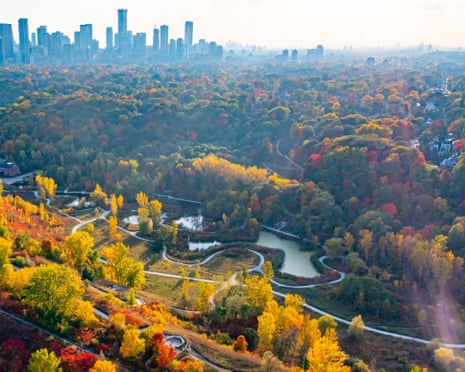
Rosedale, one of Canada's most prosperous neighborhoods, is embroiled in a heated debate over plans to establish the country's first "virtual gated community" using an AI-powered surveillance system to tackle a surge in property crime.
Despite an overall drop in crime rates across Toronto, Rosedale has experienced a sustained increase in home invasions, with break-ins and theft more than double the city average. This has left many residents feeling on edge and seeking solutions to protect their homes and belongings.
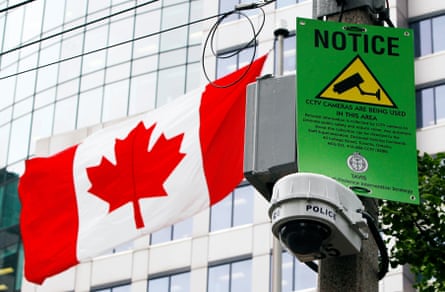
The proposed Flock system would utilize license plate-scanning cameras to monitor vehicles entering and exiting the neighborhood, with the goal of deterring and identifying criminal activity. However, the plan has faced significant pushback from those concerned about privacy rights and the potential for abuse of the technology.
Supporters of the Flock system argue that it would provide an additional layer of security for the affluent enclave, which has been grappling with a rise in home invasions, break-ins, and theft. They claim the technology would help law enforcement track down and apprehend suspects, ultimately making the neighborhood safer.
Opponents, however, are concerned that the AI-powered surveillance could infringe on civil liberties and create a digital fence around the community, effectively turning Rosedale into a "virtual gated community" that excludes non-residents and reinforces socioeconomic divides.
"This isn't just about crime; it's about the kind of society we want to live in," said one Rosedale resident who asked to remain anonymous. "Do we really want to live in a neighborhood that's constantly monitoring and controlling who comes and goes?"
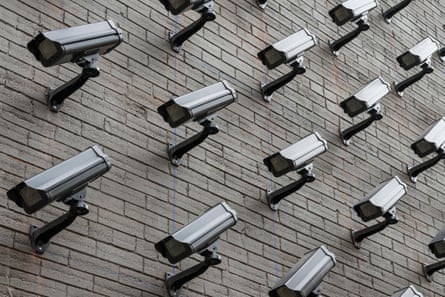
The debate in Rosedale reflects a broader tension between the desire for security and the need to protect individual privacy and civil liberties. As AI-powered surveillance technologies become more prevalent, communities across the world will likely face similar discussions about the appropriate balance between public safety and personal freedom.
Ultimately, the decision in Rosedale will have far-reaching implications, not just for the neighborhood itself, but for the future of urban security and the role of technology in shaping our communities.
Source: The Guardian


