
Royal Couple Honors 9/11 Victims at NYC Memorial

King Charles III and Queen Camilla pay solemn respects during their US state visit, laying flowers at the 9/11 Memorial in New York City.
During their official state visit to the United States, King Charles III and Queen Camilla made a significant stop in New York City to honor the memory of those lost on September 11, 2001. The royal couple's visit to the 9/11 Memorial represented an important moment of remembrance and reflection, demonstrating the deep connections between the British monarchy and the American people during a period of shared grief and resilience.
The 9/11 Memorial & Museum, located at the foot of the Twin Towers in Lower Manhattan, has become one of the most visited and emotionally resonant sites in New York City. The memorial features two reflecting pools set within the footprints where the original World Trade Center towers once stood. Each pool is inscribed with the names of the nearly 3,000 individuals who lost their lives in the terrorist attacks of September 11, 2001, as well as the victims of the 1993 World Trade Center bombing. The site serves as a powerful symbol of remembrance, resilience, and unity.
King Charles and Queen Camilla's participation in this solemn ceremony underscored the international significance of the 9/11 attacks and their lasting impact on the world stage. The British monarch took time to reflect on the tragedy and its aftermath, while paying formal respects alongside the Queen. Their presence at the memorial highlighted the enduring bonds between the United Kingdom and the United States, relationships built on shared values and mutual support during times of crisis.
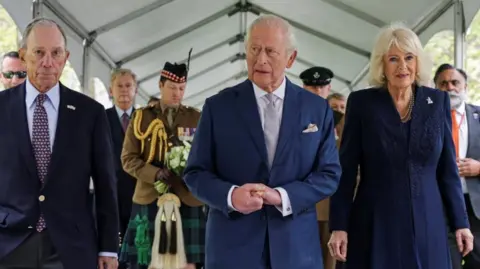
The royal visit to New York was carefully choreographed to include meaningful cultural and historical engagements alongside official state business. The decision to include a stop at the 9/11 Memorial demonstrated the importance placed on acknowledging historical traumas and honoring the lives lost. The ceremony was conducted with appropriate solemnity, reflecting the gravity of the occasion and the respect due to those who perished and the families left behind.
For many New Yorkers and Americans, the 9/11 Memorial remains a sacred space where visitors come to pay their respects and remember loved ones. The twin reflecting pools, designed by architect Michael Arad, create a meditative environment that encourages quiet contemplation. Visitors from around the world travel to the site to honor not just the direct victims, but also to acknowledge the broader impact of the attacks on global consciousness and security policies that followed.
The presence of visiting dignitaries and world leaders at such sites carries special significance. When international figures like the King and Queen take time during important state visits to pay their respects at memorials like this, it reinforces the universal human values of compassion, remembrance, and solidarity. These gestures transcend political boundaries and speak to a shared commitment to honoring those who have been lost to tragedy.
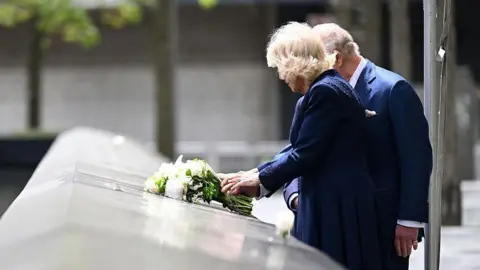
The state visit itself represents a significant diplomatic moment between the two nations. Such visits involve extensive planning, including carefully selected events that reflect shared historical experiences and cultural connections. The inclusion of the 9/11 Memorial visit demonstrates how such formal occasions can balance official ceremonies with meaningful engagement with the historical record and public memory.
The 9/11 attacks occurred on a Tuesday morning in September 2001, when 19 terrorists associated with the extremist group al-Qaeda hijacked four commercial airplanes. Two planes struck the Twin Towers of the World Trade Center in Manhattan, causing both towers to collapse within hours. A third plane hit the Pentagon in Washington, D.C., while the fourth plane, United Airlines Flight 93, crashed in Pennsylvania after passengers and crew members attempted to retake control of the aircraft. The coordinated attacks resulted in the deaths of nearly 3,000 people and had profound impacts on American foreign policy, national security measures, and the global war on terrorism.
Over two decades later, the 9/11 Memorial & Museum continues to serve as an important educational and commemorative institution. The museum houses thousands of artifacts, photographs, and personal effects that tell the stories of those affected by the attacks. Educational programs, exhibitions, and community events at the memorial help ensure that the history of September 11th remains part of the collective memory, particularly for younger generations who did not directly experience the tragedy.
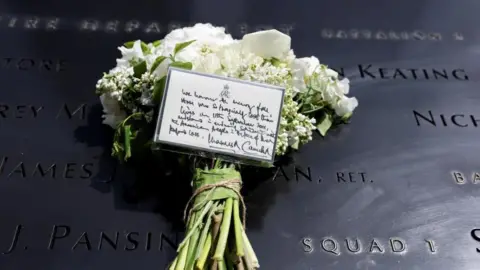
The ceremony involving King Charles and Queen Camilla followed formal protocols typically observed at such significant memorials. The royal couple was likely accompanied by US officials and dignitaries, and their visit would have been coordinated with the 9/11 Memorial & Museum staff to ensure appropriate timing and respect. Such visits often include moments of silent reflection, the laying of floral tributes, and perhaps brief remarks acknowledging the solemnity of the occasion and the historical significance of the site.
International travel by world leaders frequently includes visits to sites of historical or cultural significance. These diplomatic gestures serve multiple purposes: they demonstrate respect for the host nation's history, create opportunities for reflection on shared values, and provide powerful symbolic moments that can be understood by citizens of both nations. For the British monarchy, such visits are part of a broader role in maintaining international relations and acknowledging the interconnectedness of the modern world.
The work of the 9/11 Memorial & Museum extends beyond the physical site in New York. The institution plays a crucial role in preserving and sharing the historical record of September 11th with new generations. Through its educational initiatives, the museum helps ensure that the lessons learned from the attacks—about resilience, unity, and the importance of remembering tragedy—continue to inform public discourse and understanding.
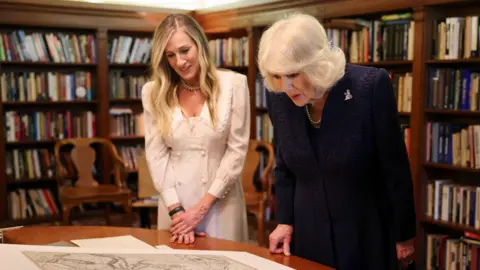
The US state visit featuring King Charles III represented an important chapter in British-American relations. State visits, which occur only once every few decades between these two nations, involve comprehensive schedules designed to celebrate shared heritage, discuss contemporary issues, and strengthen diplomatic bonds. Including time for respectful commemoration at historically significant sites like the 9/11 Memorial demonstrates the maturity and depth of such diplomatic engagements.
As the world continues to remember September 11, 2001, and its victims, visits by international leaders serve to remind us that the impacts of such tragedies extend far beyond national borders. The collective memory of 9/11 remains important to people around the globe, and ceremonies like the one conducted by King Charles and Queen Camilla help ensure that this remembrance continues to unite rather than divide, and to inspire continued commitment to peace and security in our interconnected world.
Source: BBC News


