
Royal-Linked Concierge Firm's Risky Hiring Before Crisis

Quintessentially, co-founded by Queen Camilla's nephew, quadrupled Middle East staff before wealthy fled due to Iran tensions. Firm reports heavy losses.
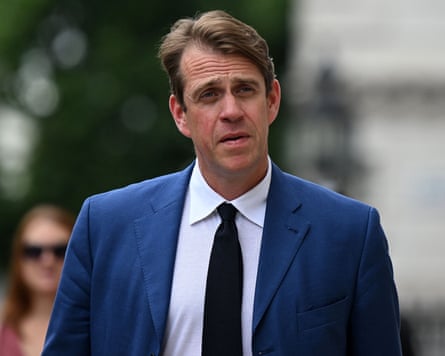
Quintessentially, the prestigious luxury concierge service co-founded by Queen Camilla's nephew Ben Elliot, has found itself at the center of controversy following what industry analysts describe as a poorly-timed expansion strategy. The elite service provider nearly quadrupled its workforce across the Middle East and Asia just months before affluent clientele began evacuating from the volatile Gulf region, raising serious questions about the firm's strategic planning and market forecasting capabilities.
According to newly disclosed financial statements covering the period ending April 30, 2025, Quintessentially dramatically expanded its regional presence by increasing staff numbers from 22 to 84 employees across Middle Eastern and Asian markets. This aggressive expansion occurred during a period of increasing geopolitical tension related to the ongoing US-Israel conflict with Iran, tensions that would ultimately trigger a mass exodus of wealthy individuals from the region. The timing of this hiring spree has raised eyebrows among business analysts who question whether the company's leadership adequately assessed regional risks before committing significant resources to growth initiatives.
The expansion strategy represents a significant corporate misjudgment, as the wealthy clientele that form the backbone of Quintessentially's business model began departing the Gulf region in substantial numbers following escalations in the Iran conflict. This demographic shift directly undermined the very market expansion that the company had so aggressively pursued, creating a mismatch between supply and demand that has contributed to the firm's ongoing financial difficulties. The decision to nearly quadruple staffing levels without apparent contingency planning for geopolitical volatility demonstrates a troubling lack of risk assessment in the company's strategic decision-making process.

Beyond the Middle East expansion mishap, Quintessentially's financial performance continues to deteriorate, with the company reporting substantial multimillion-pound losses for the most recent financial year. The annual accounts, now publicly available, paint a concerning picture of a once-prominent luxury service provider struggling to maintain profitability and operational stability. These mounting losses have prompted the company's auditors to issue warnings regarding material uncertainty about the firm's continued viability, a standard accounting phrase that signals serious concerns about whether the business can sustain operations without significant intervention or restructuring.
Ben Elliot's position as a member of the Royal Family through his connection to Queen Camilla has long been part of Quintessentially's brand identity and marketing appeal. The company has historically leveraged these royal associations to attract high-net-worth individuals seeking exclusive services and premium access to luxury experiences. However, even the prestige associated with royal connections has proven insufficient to shield the company from the consequences of poor strategic decisions and unfavorable market conditions in key revenue-generating regions.
The Middle East and Asia markets represented crucial expansion targets for Quintessentially, as they contain some of the world's wealthiest individuals and families. The region's affluent population has traditionally been a core demographic for premium concierge services, making the expansion strategy initially logical from a theoretical perspective. However, the execution timing proved catastrophically flawed, as geopolitical developments rendered the newly hired workforce and expanded infrastructure largely unnecessary within months of the hiring initiative's completion.
The announcement of mounting losses and operational challenges represents another difficult chapter for Quintessentially, a company that once epitomized the apex of luxury service provision for elite clientele worldwide. The firm's struggles highlight the vulnerability of premium service businesses to macroeconomic shifts and geopolitical disruptions that can fundamentally alter market dynamics and client behavior. When wealthy individuals flee a region due to security concerns or political instability, the sophisticated service infrastructure built to serve them becomes a liability rather than an asset.
Industry observers note that the company's difficulties extend beyond the Middle East expansion miscalculation. The luxury concierge sector has faced increasing competition from technology-enabled service platforms and international hospitality groups expanding their bespoke service offerings. Additionally, changing consumer preferences, particularly among younger high-net-worth individuals, have shifted away from traditional concierge models toward more specialized, on-demand service providers. These broader market trends, combined with the specific geopolitical headwinds affecting the Gulf region, have created a perfect storm of challenges for Quintessentially's business model.
The warnings regarding material uncertainty about the company's future suggest that stakeholders and creditors should prepare for potential restructuring scenarios or significant operational changes. Such warnings typically indicate that management cannot provide reasonable assurance regarding the company's ability to continue operations and meet its financial obligations over the next twelve months. For a business built on providing premium services to ultra-high-net-worth individuals, such fundamental uncertainty about its own viability undermines confidence among both clients and business partners.
Quintessentially's experience serves as a cautionary tale about the importance of rigorous risk assessment in strategic planning, particularly for businesses operating in geopolitically sensitive regions. The company's failure to adequately account for regional instability before embarking on aggressive expansion represents a significant strategic miscalculation that has materially impacted its financial performance. Moving forward, the company faces critical decisions about restructuring its operations, reducing overhead, and finding ways to restore profitability amid challenging market conditions.
The involvement of Ben Elliot, a prominent figure in royal circles, adds a layer of complexity to the company's operational challenges. While royal connections have historically provided marketing value and enhanced brand prestige, they cannot substitute for sound business fundamentals and prudent strategic planning. As Quintessentially navigates its current difficulties, the company will need to demonstrate tangible progress in improving its financial position and clarifying its long-term strategic direction to maintain confidence among remaining clients and stakeholders.
Source: The Guardian


