
Royal Mail Probes Alleged Destruction of Reform UK Leaflets

Royal Mail launches investigation after postal worker claims to have discarded Reform UK election leaflets. Details on the controversy surrounding campaign material handling.
Royal Mail has initiated a formal investigation into serious allegations that one of its employees deliberately discarded Reform UK election leaflets intended for distribution to households ahead of Thursday's crucial local elections. The incident has raised concerns about the integrity of campaign material distribution and the professional conduct expected of postal service employees across the United Kingdom.
The controversy erupted when a post appeared on a private Facebook group dedicated to Royal Mail staff members, in which an individual claimed to have destroyed a significant quantity of promotional materials for the political party. The informal nature of the post, complete with casual language and a statement suggesting the worker was willing to face employment consequences, has sparked widespread debate about workplace conduct and electoral fairness.
According to the post shared within the staff communication channel, the alleged employee wrote: "My DO had reform party's D2D today. I dumped them all in a bin. They can sack me! Idgaf!" The message was posted in reference to what appears to be a door-to-door campaign distribution effort. The acronym "DO" likely refers to a delivery office, while "D2D" stands for door-to-door distribution, a common method for political campaigns to reach voters during election cycles.
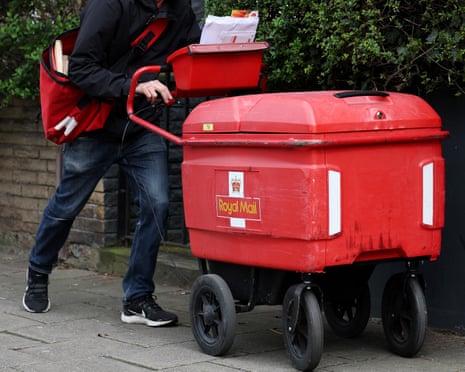
The discovery of this alleged misconduct has triggered immediate concern among election watchdogs and political observers who emphasize the critical importance of fair and unbiased election material distribution. Royal Mail, as the primary national postal service responsible for delivering countless pieces of campaign literature during election periods, holds significant responsibility in ensuring that all political parties receive equitable treatment in the distribution process.
This incident highlights broader questions about the neutrality expected from public-facing government contractors during election seasons. The postal service is entrusted with handling materials from numerous political parties, candidates, and campaigns, and employees are expected to maintain strict professional standards regardless of their personal political preferences or beliefs. Any deviation from these standards can undermine public confidence in the electoral process itself.
The investigation launched by Royal Mail will likely examine how the materials were handled, whether other instances of similar conduct occurred, and what systemic issues or training gaps may have contributed to the alleged incident. Officials will need to determine the extent of the leaflets destroyed, the specific geographic area affected, and whether constituents in certain regions were deprived of campaign information they were entitled to receive.
Royal Mail has not yet released an official statement providing details about the scope of their investigation or any preliminary findings. However, the postal service's willingness to formally investigate the matter demonstrates a commitment to maintaining professional standards and ensuring compliance with their obligations during election periods. Depending on the outcome of the inquiry, the company may need to implement additional oversight measures or training programs to prevent similar incidents in the future.
The Reform UK party, the subject of the allegedly destroyed leaflets, has yet to publicly comment on the incident or indicate whether they intend to pursue formal complaints through electoral authorities. Campaign teams typically invest considerable resources in producing and distributing printed materials, so the destruction of a batch of these items represents both a financial loss and a potential impact on their ability to reach voters effectively during a critical election window.
This situation also raises important questions about employee conduct policies within large public service organizations. While employees certainly possess the right to hold personal political views and preferences, their professional responsibilities while employed in a public-facing capacity must remain separate from their private beliefs. Royal Mail will need to address how to balance employee autonomy with the requirement for impartial service delivery.
The local elections scheduled for Thursday represent an important democratic exercise, with voters across numerous councils making decisions about local governance and representation. Ensuring that all candidates and parties have fair access to communicate their messages to the electorate is essential for maintaining the integrity of the democratic process. Any intentional interference with this process, whether through destruction of materials or other means, undermines the foundations of fair electoral competition.
The implications of this incident extend beyond the immediate concerns about the specific leaflets allegedly destroyed. It raises systemic questions about how major public services maintain neutrality during election periods and what mechanisms exist to prevent politically-motivated misconduct by individual employees. These questions will likely be examined closely as the investigation proceeds and as election officials consider whether any broader concerns about material handling need to be addressed.
As the investigation continues, stakeholders across the political spectrum will be watching closely to understand what happened, how Royal Mail responds, and what measures are implemented to prevent similar incidents in future election cycles. The outcome of this investigation could have implications for how campaign materials are handled and distributed by postal services in the United Kingdom for years to come.


