
Royal Opera House Demands Georgian Singer's Release

World-renowned bass singer Paata Burchuladze jailed for seven years in Georgia. Royal Opera House urges PM intervention in democracy protest case.
The Royal Opera House in London has made an urgent appeal to Prime Minister Keir Starmer to intervene in the case of Paata Burchuladze, a celebrated bass singer currently imprisoned in Georgia. The internationally acclaimed performer, aged 71, was arrested in October and faces serious charges related to alleged involvement in anti-government activities. His situation has drawn significant attention from the global arts community, who view his imprisonment as a concerning development for freedom of expression and artistic freedom in the former Soviet nation.
Burchuladze's distinguished career spanning several decades has made him one of the most respected voices in classical music. The Georgian bass has graced the stages of the world's most prestigious opera houses, including the Royal Opera House in London and the Metropolitan Opera House in New York. Throughout his remarkable career, he has collaborated with some of the greatest tenors in operatic history, including the legendary Luciano Pavarotti, Plácido Domingo, and José Carreras. His technical mastery and emotional depth have made him a fixture in major operatic productions across the globe.
The circumstances of his arrest reveal a troubling pattern of political repression in Georgia. Burchuladze was detained following his participation in peaceful demonstrations outside the presidential palace in Tbilisi, the nation's capital. These protests were organized to voice opposition to what demonstrators characterize as authoritarian governance and threats to democratic institutions. Rather than being treated as a concerned citizen exercising fundamental rights, the singer faced serious legal consequences for his political expression.

In a development that shocked the international music community, Burchuladze was convicted and sentenced to seven years in prison. The charges leveled against him are extraordinarily serious, with prosecutors alleging his involvement in planning a coup against the country's leadership. The aging performer has rejected these accusations as baseless and politically motivated. When addressing the court during sentencing, Burchuladze poignantly noted that a seven-year sentence effectively amounts to a life sentence given his advanced age, highlighting the severity of the punishment relative to his life expectancy.
The Royal Opera House's decision to publicly advocate for the singer's release represents a significant moment in the intersection of arts and international politics. The institution's casting director and leadership have recognized that artistic freedom and democracy are inextricably linked. They contend that the imprisonment of a world-class performer for participating in peaceful political protest represents a troubling assault on fundamental human rights. The opera house's statement carries considerable weight given the organization's prominence and its role as custodian of cultural excellence.
This case exemplifies broader concerns about Georgia's political trajectory that have been raised by international observers and human rights organizations. The country has been undergoing a period of significant political tension, with growing concerns about democratic backsliding and increasing restrictions on civil liberties. The treatment of prominent cultural figures like Burchuladze suggests a pattern of using legal systems to suppress dissent and intimidate potential critics of the government. International attention to his case may help shine a spotlight on these troubling developments.
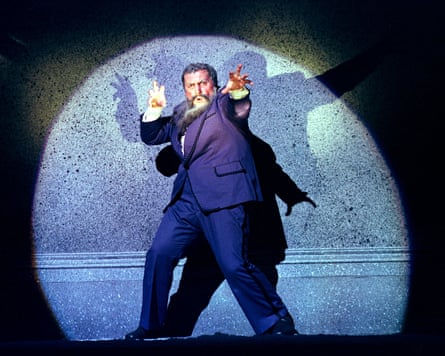
The appeal from the Royal Opera House carries particular significance because it demonstrates how cultural institutions are increasingly willing to engage in political advocacy on behalf of artists facing persecution. The house has historically maintained a focus on artistic excellence and the celebration of human talent, values that Burchuladze has embodied throughout his career. By calling for his release, the institution implicitly argues that talent of his caliber is a global treasure that transcends national boundaries and political disputes.
Burchuladze's plight has resonated with colleagues and admirers throughout the classical music world. The singer's contributions to opera and his role in bringing Georgian culture to international audiences have made him an ambassador for his homeland. His imprisonment on political charges sends a concerning message about the treatment of cultural figures who engage in democratic participation. Many in the international arts community view his case as emblematic of broader threats to freedom of expression in Georgia and the region more broadly.
The Prime Minister's office has not yet issued a formal response to the Royal Opera House's plea, but the institution's intervention suggests that diplomatic pressure may mount. British Prime Minister Keir Starmer has previously emphasized support for democratic values and human rights in his public statements. The case presents an opportunity to demonstrate whether these commitments extend to concrete action in instances where prominent international figures face political persecution. Such intervention could establish important precedent for supporting artists and cultural figures in distress.
The broader implications of Burchuladze's case extend beyond his individual fate. The treatment of this respected artist reflects wider questions about the direction of Georgian society and its commitment to the rule of law and democratic principles. International observers have noted that the charges against him appear politically motivated and lack credible evidence. His conviction and sentencing may influence how other potential protesters and dissidents perceive the risks of exercising their constitutional rights.
As this case continues to unfold, the international community watches closely to see whether diplomatic efforts can secure the bass singer's release. The Royal Opera House's intervention demonstrates that voices from the cultural world carry weight and can influence international attention and pressure. Burchuladze's fate will likely serve as a test case for how seriously democratic nations and international institutions take their commitment to defending cultural freedom and political expression. The coming weeks and months will determine whether artistic excellence and age receive consideration in Georgia's justice system.
Source: The Guardian


