
Rubio Meets Pope at Vatican Amid Trump Tensions

US Secretary of State Marco Rubio holds Vatican talks with Pope Leo to repair diplomatic relations strained by Trump's public criticism of the pontiff.
The diplomatic landscape between the United States and the Holy See has become increasingly fraught in recent weeks, prompting urgent high-level engagement to prevent further deterioration of relations. US Secretary of State Marco Rubio is scheduled to visit the Vatican on Thursday for a critical meeting with Pope Leo, marking a significant effort to mend bridges that have been severely strained by repeated public criticisms from President Donald Trump directed at the pontiff. This meeting represents an important diplomatic initiative aimed at restoring communication channels and demonstrating commitment to the historically significant relationship between the American government and the Catholic Church leadership.
The unprecedented strain on relations between the Holy See and Washington has created considerable concern among diplomatic observers and religious leaders who recognize the traditional importance of US-Vatican relations. Trump's attacks on the first North American pope have been particularly notable given the historical reverence often afforded to papal positions within American political discourse. The timing of Rubio's visit underscores the gravity with which the State Department views these tensions and the perceived need for immediate high-level intervention to prevent lasting damage to the bilateral relationship.
According to diplomatic sources, Rubio is expected to meet Pope Leo at the Apostolic Palace during the morning hours, providing an intimate setting for candid discussions about the sources of tension and potential pathways toward reconciliation. The meeting will serve as an opportunity for Rubio to convey official US government perspectives while listening to the pontiff's concerns about recent statements and policies emanating from Washington. Such direct engagement at the secretarial level is relatively rare and signals the seriousness with which the Biden administration views the need to preserve this crucial diplomatic relationship.

Beyond his audience with the pope, Rubio's itinerary includes a series of comprehensive meetings with senior officials of the Italian government, reflecting the interconnected nature of diplomatic relations in Europe. Italy has itself faced criticism from Trump for its perceived insufficient support for military intervention in Iran, adding another layer of complexity to the broader diplomatic picture. These Italian government meetings will likely address both bilateral US-Italy relations and the broader strategic interests that connect American foreign policy with European partners.
The backdrop to these meetings involves Trump's uncharacteristic public criticism of Pope Leo, a departure from the typical deference shown to papal authority by American political figures regardless of party affiliation. The president has been vocal about his disagreements with the pontiff's positions on various international matters, particularly regarding military intervention and the use of American force abroad. These criticisms have resonated through diplomatic channels and created genuine concern about the trajectory of relations between Washington and the Vatican.
Observers of Vatican diplomacy note that tensions between a US president and the Catholic Church hierarchy are relatively uncommon in the modern era, making this situation particularly noteworthy. The Catholic Church maintains significant soft power influence globally, and its leadership's public criticism of American policy can affect both domestic political considerations and international perceptions of US foreign policy. The need to manage this relationship extends beyond mere diplomatic courtesy to encompass broader strategic considerations about America's role on the world stage.
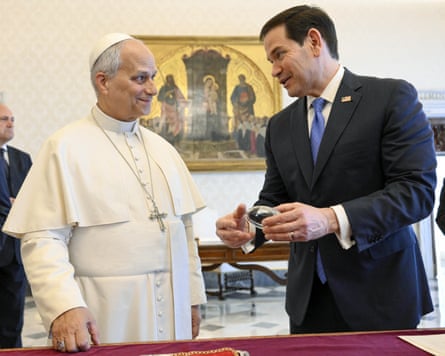
The choice of Marco Rubio as the emissary for this critical meeting carries particular significance given his background and standing within the diplomatic community. As Secretary of State, Rubio brings considerable experience in international relations and a track record of engaging with various global leaders and institutions. His selection suggests that the administration believes his expertise and diplomatic skills are necessary to navigate the delicate situation and find common ground between the White House and the Vatican.
The meeting with Pope Leo comes at a time when the Vatican is navigating its own complex role in global affairs, balancing its position as both a spiritual leader for nearly two billion Catholics worldwide and as an independent state actor in international relations. The pontiff has historically taken positions that sometimes put the Church at odds with American administrations on issues ranging from immigration to military intervention. Pope Leo, as the first North American pope, brings a particular perspective to these discussions that may resonate differently than his predecessors.
The timing of these diplomatic engagements reflects broader concerns within the State Department about maintaining stability in international relations during a period of significant geopolitical tension. US-Vatican relations are not merely symbolic; they have practical implications for American diplomatic efforts across Europe, Africa, and Latin America, where the Catholic Church maintains substantial influence and presence. Preserving a constructive relationship with the Holy See is therefore integral to broader American foreign policy objectives.
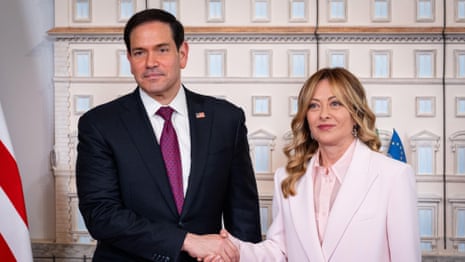
The criticism Italy has faced from Trump administration officials regarding its stance on Iran policy adds an additional dimension to Rubio's visit and his planned meetings with Italian government representatives. Italy, as a significant European ally and a member of the G7, occupies an important position in American strategic calculations. The convergence of Vatican tensions and Italian government disagreements on Iran policy suggests that this diplomatic mission addresses multiple interconnected challenges rather than a single isolated issue.
Religious leaders and diplomatic analysts have expressed hope that Rubio's visit might serve as a turning point in improving the strained relationship between Washington and the Vatican. The willingness of senior officials to engage directly signals a commitment to dialogue even amid significant disagreements on substantive policy matters. Such engagement is essential for maintaining the institutional relationships that have undergone considerable stress in recent months.
As this important diplomatic initiative unfolds, observers will be watching closely for any statements or announcements that might indicate whether the meetings have made meaningful progress toward easing tensions. The outcome of Rubio's discussions with both Pope Leo and Italian government officials could have significant implications for how the Vatican and European allies relate to American foreign policy initiatives going forward. Ultimately, the success of these diplomatic efforts will be measured by whether they can create space for constructive dialogue and mutual understanding despite the substantial disagreements that currently exist.
Source: The Guardian


