
Rubio: Trump Frustrated With NATO's Iran Stance

US Secretary of State Marco Rubio warns that Trump's disappointment with NATO allies' refusal to engage militarily against Iran will dominate the alliance's July summit in Ankara.
The diplomatic tensions between the United States and its NATO allies have reached a critical juncture, with Secretary of State Marco Rubio publicly acknowledging that President Donald Trump harbors significant frustration over the alliance's reluctance to increase military involvement in operations targeting Iran. This candid admission during meetings with NATO foreign ministers has raised serious questions about the future cohesion of the 77-year-old military alliance and sets the stage for what officials are already characterizing as a potentially contentious gathering.
Rubio's statements represent an unusually frank assessment of the divisions within the alliance, coming at a time when geopolitical tensions in the Middle East continue to escalate. The Secretary of State's remarks underscore the growing gap between Washington's strategic priorities and those of its European partners, particularly regarding military intervention in the region. This discord threatens to overshadow diplomatic relations and could reshape the fundamental nature of transatlantic security cooperation.
During his meetings with representatives from member nations, Rubio made clear that the upcoming NATO summit in July would serve as the primary venue for addressing these fundamental disagreements. He emphasized that tensions surrounding Iran policy and the broader question of military burden-sharing would likely dominate discussions at the Ankara gathering, positioning it as potentially one of the most significant summits in the alliance's recent history.
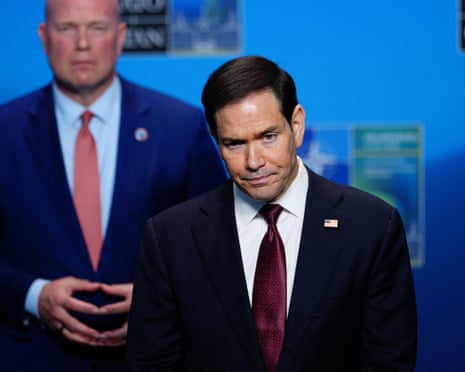
The core of the dispute centers on Trump's expectation that NATO member states should take a more aggressive stance toward Iranian military capabilities and regional activities. The United States has been advocating for increased NATO involvement in maritime security operations, particularly in the strategically vital Strait of Hormuz, one of the world's most critical shipping lanes through which approximately one-third of global maritime petroleum trade passes daily. However, many European nations have expressed reluctance to escalate military commitments in the region, citing concerns about unintended consequences and diplomatic complications.
This fundamental disagreement reflects broader differences in foreign policy philosophy between the American administration and its traditional European allies. While Washington views direct military action as necessary to counter what it perceives as Iranian aggression and destabilizing behavior, European capitals worry about the risks of further militarization and prefer diplomatic channels and economic leverage. These contrasting approaches have created a notable rift that threatens to undermine the collective security arrangements that have defined the transatlantic relationship for decades.
The Strait of Hormuz dispute has become increasingly central to this disagreement. The Trump administration has called for NATO involvement in protecting commercial shipping and maintaining freedom of navigation in these contested waters, arguing that Iranian activities pose a direct threat to international commerce and Western security interests. Several European nations, however, have expressed concern about direct military confrontation and have advocated for alternative approaches, including strengthened diplomatic efforts and coordination with other international bodies.
Rubio's characterization of the upcoming summit as potentially "one of the more important" in NATO's 77-year history carries significant weight and suggests that officials are bracing for substantive confrontations over fundamental alliance principles. His language indicates that the disagreement extends beyond mere tactical military questions to touch upon deeper issues of collective defense commitments, resource allocation, and the very purpose of the alliance in the contemporary geopolitical landscape.
The timing of these tensions is particularly significant given the broader international security environment. With conflicts continuing in Eastern Europe, instability in the Middle East, and rising concerns about Chinese military expansion in the Pacific, many observers question whether NATO can afford significant internal divisions. The alliance's ability to maintain cohesion while addressing divergent strategic priorities will likely determine its effectiveness and relevance in the coming years.
The July summit in Ankara will undoubtedly test the resilience of NATO alliance unity and the willingness of member states to compromise on matters of foreign policy and military strategy. European leaders will face pressure to either align more closely with American priorities regarding Iran or risk further deterioration in transatlantic relations. Meanwhile, American officials must balance their security objectives with the political realities of maintaining alliance cohesion, a task that has grown increasingly challenging given the strength of Trump's convictions on these matters.
The broader implications of this dispute extend beyond immediate military concerns to touch upon questions of alliance leadership and burden-sharing that have long simmered beneath the surface of transatlantic relations. Member states will need to address not only the specific question of Iran policy but also more fundamental questions about how NATO security decisions are made and how the alliance can accommodate members with differing strategic interests without sacrificing essential unity.
As the July summit approaches, diplomatic efforts behind the scenes will intensify as nations attempt to find common ground or at least mechanisms for managing their disagreements. The outcome of these efforts will significantly influence NATO's trajectory and its capacity to address emerging security challenges in an increasingly complex global environment. Whether the alliance can successfully navigate these tensions while maintaining its core commitment to collective defense remains one of the most pressing questions in contemporary international relations.
Source: The Guardian


