
Rural America Fights Back Against Data Center Expansion

Illinois farmers and communities resist data center construction over water concerns. Learn how rural opposition is shaping the data infrastructure debate.
In the heart of Tazewell County, Illinois, agricultural traditions run deep. Michael Deppert, a dedicated farmer whose family has worked the land for generations, relies on a naturally occurring pool of groundwater nestled beneath the sandy soils of his farmland. This precious aquifer serves as the lifeblood for his diverse crop operations, providing essential irrigation for his pumpkins, corn, and soybeans throughout the growing season.
The stakes of water management in rural America cannot be overstated. Farmers like Deppert have long understood that access to clean, reliable water sources determines their economic viability and long-term sustainability. When a major data center development was proposed approximately eight miles away from his property, Deppert's concerns were immediate and profound. The prospect of a large-scale facility drawing substantial water resources from the same aquifer threatened not only his current livelihood but also the future prospects of his farming operation.
Beyond the direct agricultural implications, Deppert recognized the broader implications for his community. As president of the local farm bureau lobby group, he understood his responsibility to advocate for the interests of farmers and rural residents throughout the region. He began voicing concerns about how a data center construction project would affect the quality and availability of the "good, clean drinking water" that residents depended upon for their families and daily lives.

The opposition to the data center proposal quickly transformed into a unified community movement. Concerned residents and farmers organized a comprehensive campaign to educate the public about the potential environmental and economic consequences of the project. They packed city council meetings with passionate attendees, creating an undeniable show of local sentiment against the development. Formal petitions circulated throughout the county, gathering signatures from individuals who shared concerns about water resources, environmental impact, and the changing character of rural communities.
The proposed facility, led by developer Western Hospitality Partners, represented a significant investment and would have marked a major shift in land use for the area. However, the intensity and persistence of the community opposition demonstrated the power of organized resistance to industrial development in rural regions. The campaign highlighted a fundamental tension in modern America: the growing demand for data center infrastructure to support cloud computing, artificial intelligence, and digital services versus the preservation of agricultural communities and natural resources.
After several months of heated debate, community organizing, and public pressure, Western Hospitality Partners made the decision to abandon the project entirely. The outcome represented a significant victory for local farmers and residents who had mobilized to protect their interests and their way of life. This decision in Tazewell County became emblematic of a larger pattern emerging across rural America, where communities are increasingly scrutinizing and resisting data center development proposals that threaten local resources and environmental conditions.

The conflict in Illinois reflects a growing national conversation about the distribution and impact of data infrastructure expansion. As major technology companies and data center operators seek locations for new facilities, they often target rural areas where land is plentiful, property costs are lower, and zoning regulations may be less restrictive. However, these regions frequently lack the water treatment infrastructure and environmental oversight mechanisms that exist in more developed areas, making them potentially vulnerable to resource depletion and ecological damage.
Water consumption represents one of the most significant environmental challenges associated with data center operations. Modern facilities require enormous quantities of water for cooling systems that prevent servers from overheating. In water-stressed regions or areas dependent on agricultural groundwater, this demand creates direct conflicts with existing users and can threaten long-term water availability. The Tazewell County case exemplifies how these conflicts play out when local communities have the awareness and political organization to voice their objections.
Deppert's leadership in the farm bureau gave him a platform to articulate concerns that might have otherwise gone unheard in rural policy discussions. His position allowed him to frame the issue not merely as a nimby opposition to development, but as a fundamental question about sustainable resource management and community priorities. The local farm bureau lobby group became instrumental in mobilizing farmers who understood intuitively that protecting water resources was essential to their economic futures.
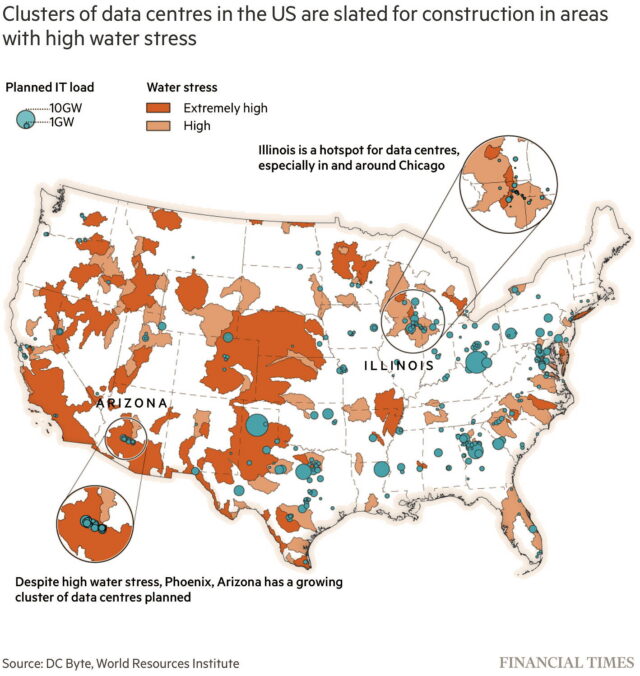
The rejection of the Western Hospitality Partners proposal sends a significant signal to the data center industry about the need to engage meaningfully with rural communities and address environmental concerns proactively. The episode demonstrates that rural residents, often stereotyped as passive or powerless in national debates, can effectively mobilize when they perceive threats to resources they depend upon. The organized resistance in Tazewell County proved that concerned citizens armed with information, political organization, and determination can influence major corporate decisions.
Looking forward, the outcome in Illinois will likely influence how developers approach rural data center site selection and community engagement strategies. Companies may need to invest more substantially in environmental assessments, water resource planning, and genuine community consultation processes before proposing new facilities. The Tazewell County case serves as a cautionary tale for developers who assume rural communities will readily accept industrial projects in exchange for promised economic benefits without fully considering environmental and quality-of-life impacts.
The broader significance of this rural resistance extends beyond individual projects. As the nation grapples with the infrastructure demands of digital transformation and technological advancement, the conflict between data center growth and agricultural preservation highlights the need for more thoughtful, sustainable approaches to industrial development in rural America. The case reminds policymakers, corporate leaders, and technology advocates that progress cannot come at the expense of the communities and natural resources that support agricultural livelihoods and rural sustainability.
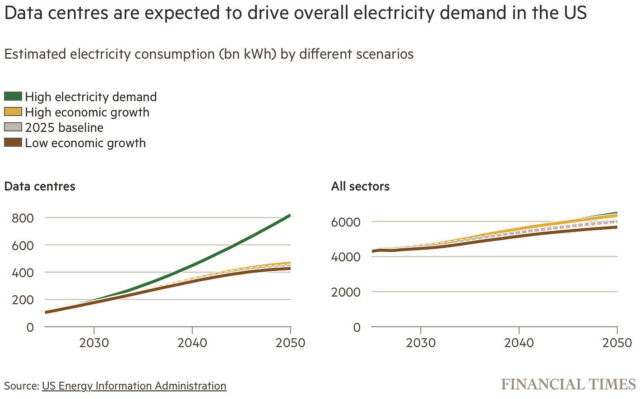
The farmers of Tazewell County demonstrated that rural America is not passive or resigned to accepting whatever industrial development comes their way. They proved that when communities organize effectively and clearly articulate the risks and consequences of proposed projects, they can influence outcomes and protect their interests. The scrapping of the data center proposal represents a meaningful victory for advocates of sustainable development and community-driven decision-making in rural regions.
Source: Ars Technica


