
Rural Food Deserts Threaten Low-Income Families

New study reveals rural Britain's food crisis: half of low-income households struggle to access affordable, healthy food due to shop closures and transport issues.
Rural communities across Britain face an increasingly severe challenge in accessing nutritious, affordable food, according to groundbreaking research that highlights the growing divide between urban and countryside living standards. The food desert crisis affecting rural Britain has become particularly acute for lower-income families who lack adequate transportation options and have witnessed the systematic closure of independent retailers in their communities. This troubling trend raises critical questions about food security, health inequality, and the sustainability of rural life in the modern economy.
A comprehensive study conducted by Sheffield University provides sobering evidence of the extent of this problem across the British countryside. The research demonstrates that more than half of all households earning less than £40,000 annually in rural areas face significant barriers when attempting to purchase fresh produce and other healthy food options. This staggering statistic reveals a structural inequality that threatens the physical health and financial wellbeing of millions of rural residents who have limited alternatives to expensive convenience stores or distant supermarkets.
The root causes of rural food insecurity are multifaceted and deeply interconnected with broader economic and infrastructural challenges facing countryside communities. The disappearance of traditional village shops, which once served as the social and commercial heart of rural settlements, has fundamentally altered the landscape of food access. These small retailers, which provided personalized service and community connection, have been unable to compete with large supermarket chains and the growth of online shopping, forcing many to close their doors permanently.

Compounding the problem of retail closure is the dire state of public transport infrastructure in rural areas across the United Kingdom. Many countryside communities suffer from sporadic bus services that may only run a few times per week, making it practically impossible for residents without personal vehicles to reach supermarkets located in distant towns or cities. This transportation deficit creates a vicious cycle in which families must either spend disproportionate amounts on travel costs to access affordable food or resort to purchasing expensive items from local convenience stores that charge premium prices for limited selection.
The Sheffield University research goes beyond simply documenting the problem; it explores the profound implications of food desert conditions for rural population health and wellbeing. Households struggling to access affordable and healthy food face elevated risks of malnutrition, diet-related diseases, and the mental health consequences of food insecurity and financial stress. The cost of living pressures experienced by lower-income rural families have intensified dramatically in recent years, making the challenge of feeding a family on a limited budget increasingly insurmountable in areas with limited shopping options.
The study specifically highlights the challenges rural families encounter in obtaining fresh fruit and vegetables, which are essential components of a healthy diet but often unavailable or prohibitively expensive in remote communities. The absence of reliable access to fresh produce contributes to nutritional deficiencies and increases reliance on processed, shelf-stable foods that tend to be less nutritious but more affordable and accessible. This dietary shift has documented links to increased rates of obesity, type 2 diabetes, and cardiovascular disease in rural populations.
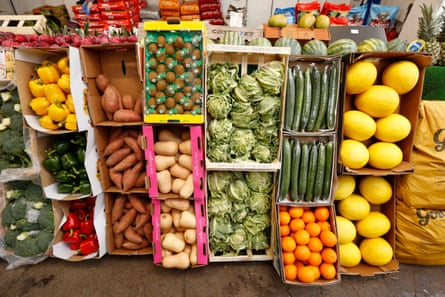
The research from Sheffield University also identifies food clubs as a potentially significant intervention in addressing rural food insecurity, examining their role in building community resilience and food security across the UK. Food clubs represent community-based initiatives that pool resources and purchasing power to access more affordable food, while simultaneously fostering social connection and mutual support among members. These grassroots organizations have emerged as important mechanisms for helping vulnerable rural households navigate the challenges of limited food access and rising costs.
The implications of this research extend far beyond individual household food security to encompass broader questions about rural sustainability and quality of life. As small shops continue to close and public transportation services shrink due to budget constraints and declining usage, rural communities risk becoming increasingly marginalized within the broader British economy and society. The concentration of retail, healthcare, and other essential services in urban centers has created a two-tiered system in which rural residents, particularly those with limited financial resources, face systematic disadvantages in accessing basic necessities.
The food desert phenomenon in rural Britain cannot be divorced from the wider context of rural economic decline and the ongoing restructuring of British agriculture and food systems. The consolidation of the food supply chain, the dominance of large supermarket chains, and the decline of local food production and distribution networks have all contributed to the vulnerability of rural communities. Understanding these structural factors is essential for developing effective policy responses that address not just the symptoms of food insecurity but its underlying causes.
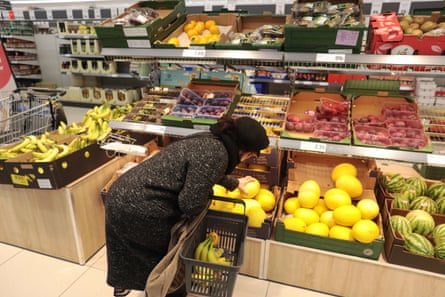
For policymakers and community leaders, the Sheffield University study presents an urgent call to action to develop comprehensive strategies for improving food access and security in rural areas. Solutions must address both the supply side of food distribution and the demand side, including support for lower-income households to afford healthy food options. Potential interventions range from supporting the viability of independent rural retailers through targeted grants or business support programs to investing in public transportation that would enable rural residents to access distant supermarkets more easily and affordably.
The research also underscores the importance of supporting community-led initiatives and local food production networks that can help reduce reliance on distant supermarket chains and build more resilient, sustainable food systems at the local level. Farmers markets, community gardens, local food co-operatives, and direct-from-farmer purchasing schemes can all contribute to improving food access while simultaneously supporting rural agricultural communities and fostering stronger connections between food producers and consumers.
The challenge of rural food security ultimately reflects deeper inequalities in how Britain's economic benefits and public services are distributed across geography. Addressing this crisis requires a sustained commitment from government at all levels to invest in rural infrastructure, support rural enterprises, and ensure that all British citizens, regardless of where they live or their income level, have reliable access to healthy, affordable food. The evidence presented in the Sheffield University research makes clear that without decisive action, the food desert crisis in rural Britain will continue to deepen, with serious consequences for rural health, wellbeing, and social cohesion.
Source: The Guardian


