
Russia Conceals Launch Plans as Ukrainian Drones Target Spaceport

Russia's Plesetsk Cosmodrome faces repeated drone attacks while ramping up satellite constellation launches. Learn how geopolitical tensions are reshaping space operations.
According to statements issued by Russian authorities, the nation's primary northern spaceport has experienced multiple attempted drone strikes over the preceding months. While official reports indicate that these aerial assaults have not resulted in successful impacts on critical infrastructure, the frequency and sophistication of these attacks underscore the growing militarization of space-based technologies in the ongoing conflict.
The Plesetsk Cosmodrome, situated in Russia's remote Arkhangelsk region approximately 500 miles north of Moscow, serves as a dual-purpose military and civilian space launch facility. This strategic location has become increasingly important as Russia intensifies its operational tempo at the installation to deploy a nascent constellation of communications and data relay satellites. These orbital systems are being developed to compete with and potentially counter SpaceX's Starlink network, which has emerged as a critical component of Ukraine's military command and control infrastructure throughout the ongoing conflict.
The significance of this satellite constellation cannot be overstated, as space-based communication networks have become indispensable to modern military operations. Ukraine's reliance on Starlink for secure communications has demonstrated the vulnerability of nations dependent on commercial space infrastructure during wartime. Russia's efforts to establish an independent satellite network reflect broader geopolitical concerns about space dominance and communication security in an era of intensifying conflict.
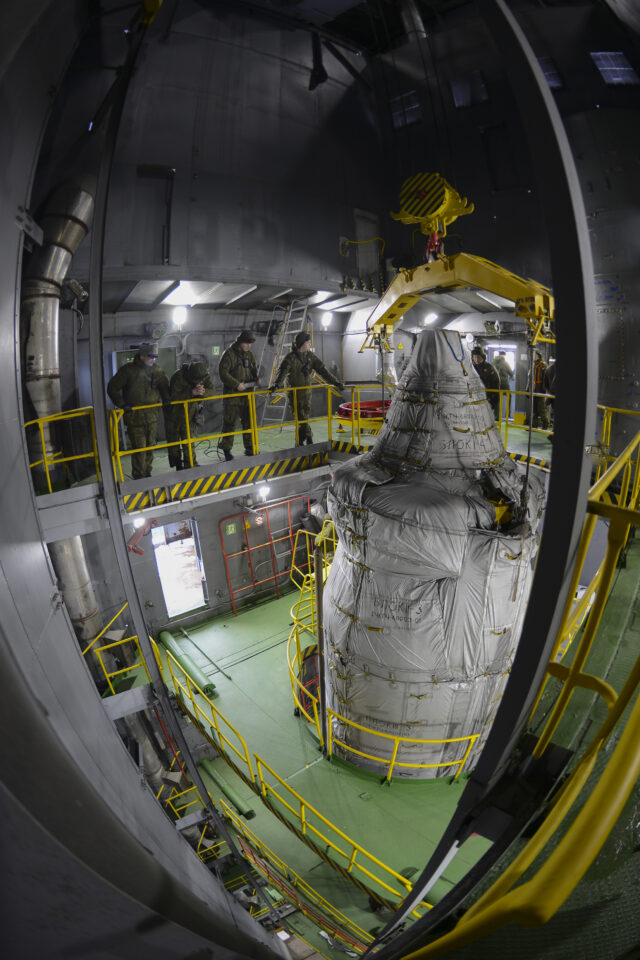
The Russian space agency's initial public acknowledgment of the attempted drone incursions at Plesetsk occurred during a high-level diplomatic meeting several weeks ago. Yury Borisov, the current head of Roscosmos—Russia's state corporation responsible for civilian spaceflight and orbital operations—conveyed information about the attacks during a formal audience with Russian President Vladimir Putin at the Kremlin. This meeting underscored the strategic importance that the Russian government assigns to maintaining operational continuity at its space launch facilities amid ongoing security threats.
The escalation of drone attacks against Russian space infrastructure represents a significant tactical shift in the conduct of the conflict. These operations, whether conducted by Ukrainian forces or proxy actors, demonstrate a sophisticated understanding of critical infrastructure vulnerabilities. By targeting spaceport operations, adversaries seek to disrupt Russia's ability to maintain and expand its satellite constellation capabilities, directly impacting military communications networks and broader strategic objectives in space.
In response to the security threats, Russian space authorities have implemented unprecedented operational security measures, including the concealment of launch schedules and launch vehicle movement patterns. By restricting publicly available information about satellite constellation deployment activities, Russian officials aim to complicate targeting efforts and protect assets at the facility. This approach reflects the integration of cyber and physical security concerns into space operations planning.
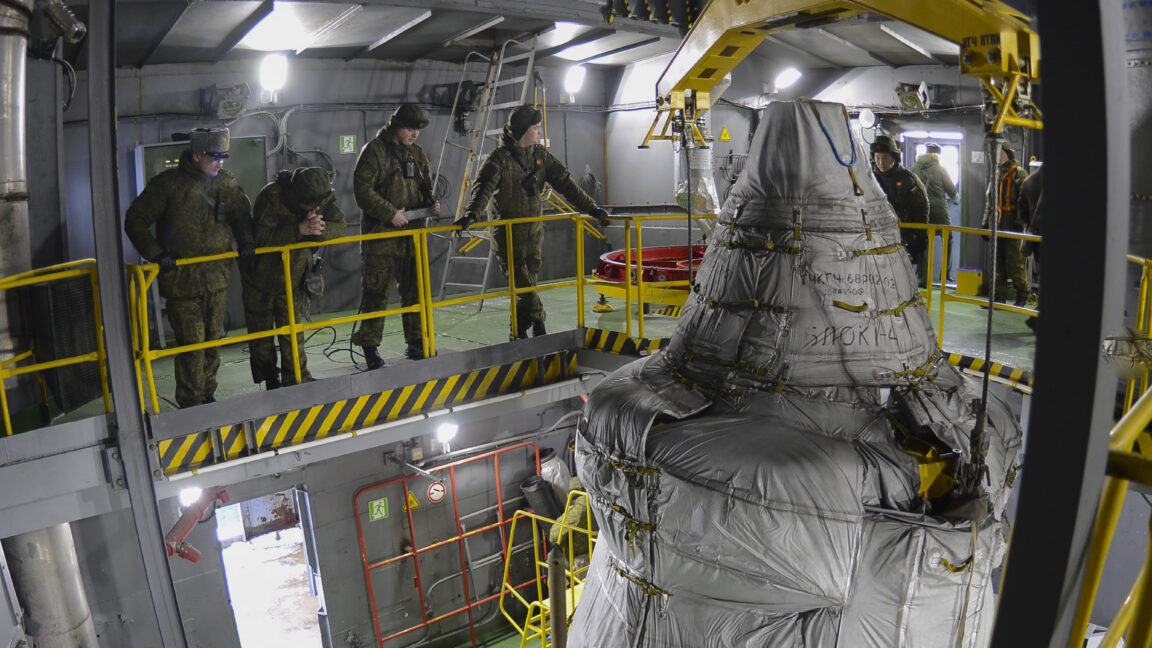
The satellite constellation initiative represents a substantial investment in Russia's space infrastructure modernization program. Unlike traditional communications satellites operated by individual nations, modern constellations deploy dozens or even hundreds of spacecraft in low Earth orbit, creating redundancy and widespread coverage. This distributed architecture makes such systems inherently more resilient to ground-based attacks, though individual satellites remain vulnerable to anti-satellite weapons or directed energy systems.
The strategic implications of these developments extend well beyond the immediate conflict zone. The competition between Russia, the United States, China, and emerging space-faring nations to establish dominance in space-based communications reflects fundamental shifts in military doctrine. As terrestrial communications infrastructure becomes increasingly vulnerable to attack, military planners worldwide are recognizing the critical importance of maintaining independent, resilient space-based command and control networks.
Ukraine's demonstrated dependence on Starlink for military operations has prompted serious strategic reassessments within the Russian military establishment. The ability of a commercial satellite network operated by a U.S.-based company to sustain military operations in a foreign nation has raised uncomfortable questions about technological sovereignty and the militarization of commercial space infrastructure. These concerns directly motivate Russia's acceleration of its own satellite network deployment efforts.

The security measures implemented at Plesetsk highlight broader challenges facing space infrastructure operators during periods of conflict. Traditional approaches to operational security prove inadequate when adversaries possess the technical capability to conduct strikes against targets hundreds of miles from active combat zones. The geographic separation between Plesetsk and the primary conflict area in eastern Ukraine did not prevent determined adversaries from mounting attacks, suggesting sophisticated reconnaissance and strike capabilities.
Information regarding the specific damage inflicted by these drone attacks remains tightly controlled by Russian authorities. Official statements confirm that defensive systems successfully repelled the attacks, but independent verification of these claims remains difficult. The opacity surrounding the true operational status of Russian space facilities complicates strategic assessments and introduces uncertainty into military planning assumptions.
The concealment of launch schedules reflects the recognition among Russian space officials that detailed operational information could inform future targeting decisions. By maintaining information security discipline regarding satellite deployment timelines, launch vehicle movements, and payload specifications, Roscosmos attempts to reduce the intelligence available to potential adversaries. This approach represents a fundamental departure from the transparency that characterized civilian space operations during the Cold War's latter decades and the post-Soviet era.
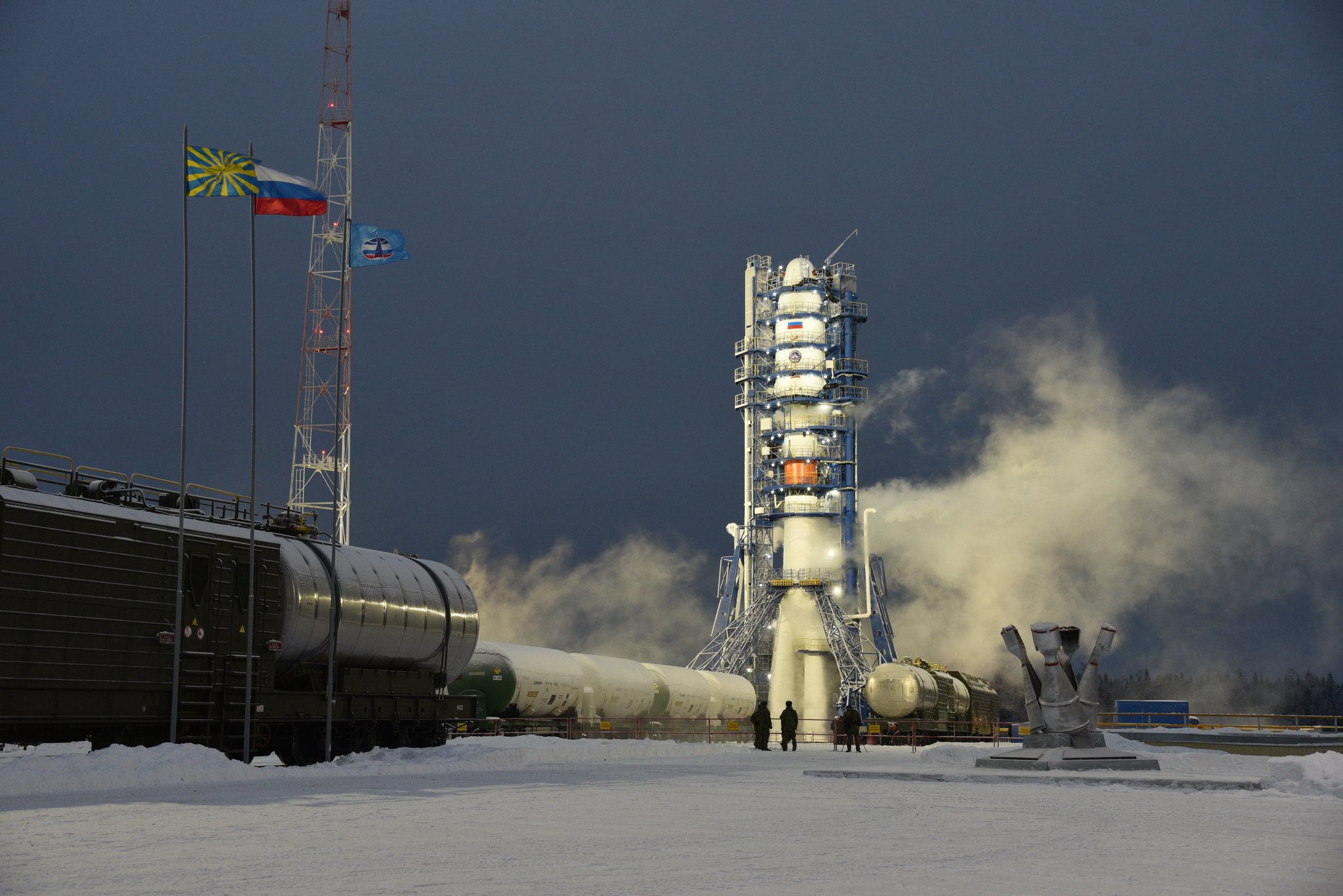
Looking forward, the targeting of space infrastructure is likely to become an increasingly common feature of modern conflict. As military planners recognize the centrality of space-based systems to contemporary warfare, defending and attacking orbital assets will assume greater prominence in conflict planning. The situation at Plesetsk provides a cautionary example of vulnerabilities that even advanced space-faring nations must contend with in an era of accessible drone and precision strike technologies.
The broader implications of these developments merit careful consideration by policymakers and military strategists worldwide. The precedent of sustained attacks against space infrastructure could trigger an escalatory spiral, wherein multiple actors pursue capabilities to threaten opposing satellite constellations. Such dynamics could undermine the long-term sustainability and stability of the space environment, potentially triggering cascading debris events that threaten all space-based operations.
Russia's intensified focus on establishing an independent space-based communications network reflects a comprehensive strategic response to the demonstrated vulnerabilities exposed by the conflict in Ukraine. By reducing dependence on terrestrial communications infrastructure and developing redundant orbital networks, Russian military planners seek to enhance operational resilience and strategic autonomy. The success or failure of these efforts will substantially influence the conduct of contemporary warfare and the strategic balance in the space domain for decades to come.
Source: Ars Technica


