
Russia Recruits Student Drone Pilots With Cash Incentives

Russian universities offer free tuition and $70,000 to students willing to pilot military drones. However, battlefield deaths have already occurred despite safety promises.
Russian universities have launched an aggressive recruitment campaign targeting student populations with substantial financial incentives to serve as drone pilots in the military. The offers are remarkably generous—promising free tuition combined with compensation packages reaching up to $70,000—while simultaneously assuring potential recruits that they can circumvent the dangers of frontline combat deployment in Ukraine. Yet despite these reassurances, evidence suggests that at least one confirmed battlefield death has already occurred among the newly recruited student pilot cohort, with indications that additional fatalities may have transpired.
The recruitment strategy became particularly visible at Bauman Moscow State Technical University, where promotional pamphlets distributed to students outlined the lucrative drone pilot positions available through military contracts. Beyond this flagship institution, numerous other Russian universities have adopted similar recruitment tactics, sweetening their offers with various incentives designed to appeal to cash-strapped students. Tax holidays, student loan forgiveness programs, and even promises of free land parcels have been utilized as recruitment tools across multiple campuses. According to investigative reporting from the independent publication Groza, at least 270 Russian academic institutions have actively promoted military service contracts to their student populations during the fifth year of Russia's ongoing conflict with Ukraine, which began with the full-scale military invasion in February 2022.
The demographic being targeted represents a substantial population of approximately 2 million young men currently enrolled in Russian universities. This recruitment effort specifically seeks individuals with particular skill sets and backgrounds—particularly those with gaming experience and technical proficiency that could translate into effective drone piloting capabilities. The Russian Defense Ministry has issued detailed specifications regarding the ideal candidate profile for drone pilot positions, actively seeking recruits who possess existing expertise in drone operation, model aircraft construction, electronics, radio engineering, and computer programming.
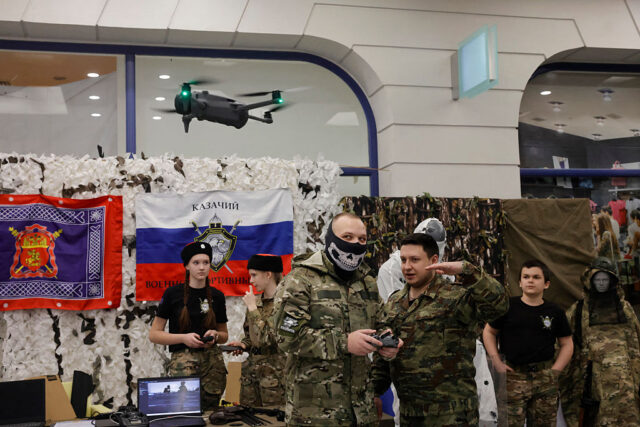
The timing and scale of this recruitment initiative reflects broader manpower challenges confronting the Russian military in its extended campaign in Ukraine. As military recruitment pressures intensify, the focus on university students represents a calculated strategy to access younger, technically skilled populations without relying solely on traditional military conscription methods. Universities have become primary recruitment venues, with military representatives increasingly present on campuses and in student facilities. This institutional approach leverages the existing infrastructure of higher education to reach large concentrations of potential recruits efficiently.
The financial packages being offered merit closer examination, as they reveal the significant value Russia is willing to invest in securing drone pilot talent. The $70,000 compensation figure, when combined with free tuition that typically costs thousands of dollars annually, represents a compelling financial proposition for students from lower-income backgrounds or those burdened with educational debt. Free tuition alone could save students between $2,000 and $10,000 per year depending on the institution. The addition of substantial cash payments creates a recruitment incentive structure that many economically vulnerable students find difficult to refuse.
However, the promises regarding combat safety appear increasingly dubious in light of emerging casualty reports. The confirmed death of at least one student drone pilot in combat conditions directly contradicts the recruitment messaging that emphasized the possibility of avoiding frontline dangers. This discrepancy raises serious questions about the accuracy of information being provided to student recruits and suggests a significant disconnect between promised safety and actual battlefield conditions. The possibility of additional unreported deaths among the student pilot cohort further undermines the credibility of military assurances.
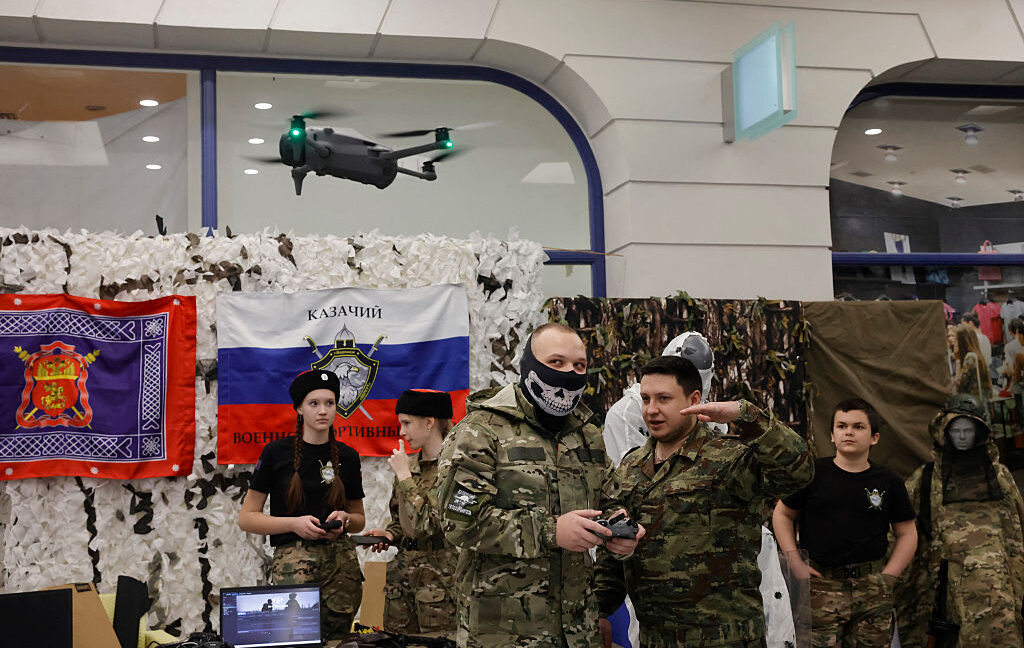
Drone warfare has become an increasingly central component of the Ukraine conflict, with both Russian and Ukrainian forces utilizing unmanned aerial systems extensively. The technical demands of operating sophisticated drone systems require operators with specific skill sets—the ability to understand complex electronics, maintain stable control of aircraft systems, and make split-second tactical decisions while operating remotely. This explains Russia's targeted focus on students with gaming backgrounds, as video game experience translates directly to the hand-eye coordination and systems operation skills essential for drone piloting.
The expansion of university-based military recruitment reflects a broader pattern of Russian state institutions becoming increasingly integrated with military operations. Educational institutions that were traditionally focused on academic pursuits have been repurposed, at least partially, as recruitment and training pipelines for military purposes. This integration of universities into the military apparatus represents a significant shift in the relationship between civilian institutions and state military structures. Faculty members, administrators, and campus facilities have all been mobilized to support recruitment efforts.
Student perspectives on these recruitment initiatives vary considerably. Some students view the financial incentives as genuine opportunities to support themselves financially while serving their country. Others express skepticism about military promises and concern about the veracity of safety assurances. Campus discussions about recruitment have become increasingly fraught, with some student groups advocating against participation while others highlight the economic desperation of many students who view military service as their most viable path to financial stability.
The international implications of this recruitment strategy extend beyond simply filling military personnel slots. The willingness of Russian institutions to prioritize military manpower needs over traditional educational missions signals the intensity of Russia's commitment to sustaining its Ukraine operations indefinitely. The targeting of university-age males—typically the most educated segment of the population—for dangerous military roles raises questions about long-term demographic impacts. If the casualty rates among student pilots prove substantial, Russia could face significant losses of its most educated young population.
Military observers have noted that the emphasis on drone pilot recruitment reflects the reality that unmanned aerial systems have become essential force multipliers in modern warfare. A single well-trained drone operator can achieve military effects that previously required multiple soldiers or significantly more expensive weapons systems. This efficiency explains why military resources are being invested heavily in identifying and training technically capable individuals. The competitive advantages provided by drone superiority have become sufficiently significant that major powers are willing to spend substantial resources securing the talent pool necessary to operate these systems effectively.
The recruitment campaign also illuminates broader questions about military manpower sustainability in extended conflicts. Russia's initial military force structure appears to have been insufficient for the scale of operations undertaken in Ukraine, necessitating a shift toward more creative recruitment strategies. Traditional conscription methods alone have proven inadequate to meet military personnel requirements. By establishing what amounts to a semi-volunteer force through university recruitment with financial incentives, the Russian military has found an alternative mechanism for expanding its human resources without relying exclusively on traditional conscription.
The long-term sustainability of this recruitment strategy remains uncertain. If casualty rates continue to rise, the financial incentives may eventually prove insufficient to attract new recruits, particularly if word spreads among student populations that the promised safety measures are illusory. Universities may also face increasing pressure from international bodies or domestic critics to cease their participation in military recruitment efforts. The reputational costs of being identified as a primary recruitment source for a controversial military operation could eventually outweigh the institutional benefits of cooperating with military recruitment initiatives.
This recruitment phenomenon represents a critical intersection point between civilian institutional structures and military operations during wartime. The student recruitment efforts demonstrate how comprehensive militarization can become when extended conflict creates sustained manpower demands. As the situation continues to evolve, observers will be monitoring whether these recruitment strategies prove sustainable, what casualty rates emerge among the student pilot population, and whether universities maintain their participation in military recruitment systems.
Source: Ars Technica


