
Russia Rejects Ukraine Ceasefire, Strikes Kindergarten

Ukraine's president condemns Russia for rejecting unilateral ceasefire proposal and launching fresh attacks on civilian infrastructure including a kindergarten.
In a significant escalation of diplomatic tensions, Ukraine's president has issued a stark condemnation of Russia's response to a unilateral ceasefire proposal, accusing Moscow of deliberately spurning the peace initiative. The Ukrainian leadership announced that Russia has rejected the ceasefire offer and continued military operations against civilian targets, including a devastating attack on a kindergarten facility that has drawn international concern and outrage.
The ceasefire rejection marks a critical moment in the ongoing conflict between the two nations. Ukrainian officials expressed deep disappointment at Russia's unwillingness to pause military operations, particularly given the humanitarian toll of the continued fighting. The decision to launch attacks on civilian infrastructure, specifically targeting educational facilities where children gather, represents what Ukrainian authorities characterize as a deliberate disregard for international humanitarian law and civilian protection standards.
The kindergarten attack underscores the vulnerability of civilian populations caught in the crossfire of the broader military conflict. Ukrainian administrators and parents have raised alarm bells about the safety of children in educational institutions, with many questioning whether adequate protection measures are in place. The incident has prompted calls from international humanitarian organizations for greater protections for schools and other civilian facilities designated as sensitive in conflict zones.
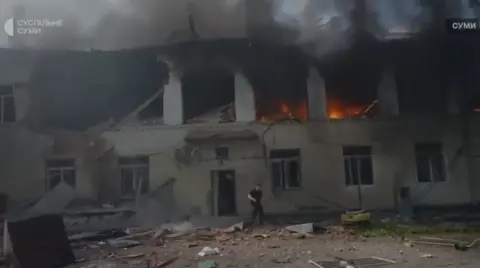
Ukraine's president has indicated that the country is now reassessing its strategic approach in light of Russia's refusal to engage with the peace initiative. Officials in Kyiv are reportedly deliberating on what further actions to take in response to the continued military aggression and apparent disregard for civilian safety protocols. The rejection of the ceasefire has left Ukrainian leadership in a position of having to consider alternative courses of action to address the ongoing security threats.
The timing of Russia's attack on civilian infrastructure is particularly significant, coming immediately after Ukraine extended what it characterized as a genuine opportunity for conflict resolution. International observers have noted that the swift military response to the ceasefire proposal sends a clear message about Moscow's commitment to continuing military operations rather than pursuing diplomatic solutions. This development has further complicated efforts by international mediators to broker lasting peace agreements between the two nations.
The attack on the kindergarten has drawn condemnation from multiple international organizations and countries concerned with humanitarian issues. Representatives from various nations have expressed serious concerns about the targeting of civilian facilities, particularly those housing vulnerable populations such as children. These attacks raise questions about the broader pattern of conduct regarding civilian infrastructure in the conflict zone and adherence to international conventions governing armed conflict.
Ukrainian military analysts suggest that Russia's rejection of the ceasefire and continuation of offensive operations may indicate a strategic decision to pursue military objectives rather than engage in diplomatic negotiations. This assessment has led to discussions within Ukrainian strategic circles about appropriate military responses and how to protect civilian populations while maintaining defensive capabilities. The situation reflects the broader challenge of balancing diplomatic efforts with the immediate security needs of the civilian population.
The humanitarian crisis in the region continues to worsen as military operations intensify in populated areas. Aid organizations have reported increasing difficulties in delivering assistance to affected communities, with civilian casualties mounting and infrastructure damage becoming more extensive. The destruction of educational and health facilities has created additional challenges for providing basic services to the population.
Ukraine's declaration that it is deciding on further actions suggests that diplomatic channels may be shifting toward more assertive strategies. Government officials have emphasized that while Ukraine remains open to genuine peace efforts, it will not remain passive in the face of continued aggression against its civilian population. This statement reflects the delicate balance between maintaining space for potential negotiations while demonstrating resolve in protecting national interests and civilian safety.
The broader international community has been monitoring developments closely, with several nations calling for all parties to respect international humanitarian law and protect civilian populations. Diplomatic representatives from multiple countries have urged both Ukraine and Russia to return to negotiation tables and consider peaceful resolutions to the conflict. However, Russia's apparent rejection of ceasefire proposals has cast doubt on the immediate prospects for diplomatic breakthroughs.
Experts analyzing the situation suggest that the attack on civilian infrastructure, particularly educational facilities, may represent a tactical choice to undermine civilian morale and support for continued resistance. The psychological impact of such attacks on populations, combined with the destruction of essential services, creates compounding humanitarian challenges. This approach has been characterized by some analysts as a strategy designed to pressure civilian populations rather than achieve direct military objectives.
As Ukraine navigates its response to Russia's rejection of the ceasefire, regional stability remains a primary concern for neighboring countries and international organizations. The potential for further escalation has prompted warnings from diplomatic observers about the need for immediate international intervention to prevent a broader regional conflict. The situation underscores the critical importance of dialogue and de-escalation efforts, even as military operations continue.
The kindergarten attack serves as a stark reminder of the human cost of armed conflict and the importance of protecting vulnerable civilian populations. As Ukraine considers its next steps in response to the ceasefire rejection, the international community watches to see whether diplomatic solutions remain possible or whether the conflict will continue its destructive trajectory. The outcome of these critical decisions will likely shape the trajectory of the conflict for months to come and influence the humanitarian situation facing millions of civilians in the affected region.
Source: BBC News


