
Russia's Africa Corps Exits Mali After Tuareg Offensive

Russian mercenary group confirms withdrawal from Kidal, Mali after weekend attacks by Tuareg fighters and Islamist groups. Key developments in ongoing conflict.
Mali's security landscape shifted dramatically over the weekend as ethnic Tuareg fighters claimed control of the strategic city of Kidal following a coordinated series of attacks across the nation. The offensive, which involved both separatist Tuareg militia and affiliated Islamist groups, marked a significant escalation in the country's ongoing conflict and prompted a major development regarding foreign military presence in the region.
The intensity of fighting in Kidal reached a peak on Sunday, with clashes spreading throughout the city's key positions and infrastructure. However, the situation took an unexpected turn when representatives of the Tuareg Liberation Front (FLA) announced that negotiations had concluded with the Russian Africa Corps, a private military contractor operating in the region. FLA spokesman Mohamed Elmaouloud Ramadane declared that an agreement had been brokered between the two forces, establishing a framework for the Russian withdrawal from Mali.
The Russian Africa Corps, known for its extensive operations across West Africa, has maintained a controversial presence in Mali since 2021, when the country's military junta invited foreign military support following a coup d'état. The organization, which operates independently from the Russian government while maintaining close ties to Moscow, has been instrumental in conducting counter-terrorism operations and providing military training to Mali's armed forces. Their involvement has consistently drawn criticism from international human rights organizations and Western governments concerned about accountability and civilian protection.
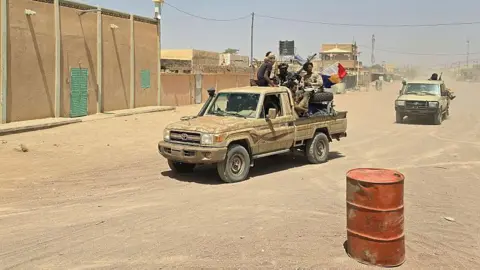
The timing of the Russian withdrawal announcement coincides with broader regional instability that has characterized the Sahel region for years. Mali has experienced recurring cycles of military coups, insurgent attacks, and territorial disputes since 2012, when a Tuareg rebellion initially destabilized the country. The Tuareg separatist movement has long sought autonomy or independence for the northern regions of Mali, particularly around Kidal, which serves as a symbolic and strategic center for their political aspirations. The weekend's coordinated attacks represent one of the most significant challenges to central government authority in recent months.
The involvement of Islamist armed groups alongside Tuareg fighters adds another layer of complexity to Mali's security crisis. These organizations, many with connections to global jihadist movements, have leveraged the existing political fragmentation and security vacuum to expand their influence across the Sahel. The coordination demonstrated during the weekend attacks suggests potential tactical or strategic alignment between previously distinct armed groups, raising concerns about the consolidation of anti-government forces.
International observers have noted that the Russian Africa Corps' decision to withdraw may reflect broader shifts in geopolitical strategy and the changing calculus of military interventions in West Africa. The group's presence has been contentious, with allegations ranging from inadequate civilian protection to questionable military effectiveness against established insurgent networks. Their departure could create a significant security vacuum that may take months or years for Mali's government to fill, particularly given the country's limited military resources and ongoing institutional challenges.
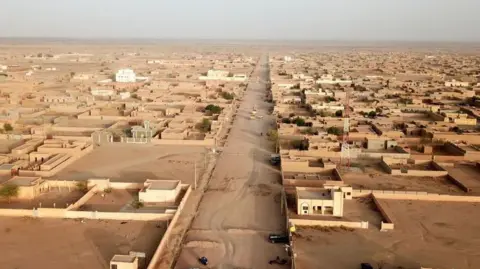
The FLA's control over Kidal represents a substantial territorial gain for the Tuareg movement and raises questions about the future trajectory of Mali's political settlement. The city, located in northeastern Mali near the borders with Algeria and Niger, has historical significance for Tuareg identity and serves as a focal point for regional autonomy discussions. Military control of such a strategically important location provides the FLA with considerable leverage in potential future negotiations with Mali's government and the international community.
The Mali security situation has become increasingly complex due to the involvement of multiple state and non-state actors with competing interests. Beyond the Tuareg fighters and Islamist groups, the situation involves Mali's military government, international peacekeeping forces, regional powers, and various foreign military advisors. The withdrawal of the Russian Africa Corps removes one significant player from this equation, though its full implications remain unclear.
Mali's transitional government, which took power through military intervention, faces mounting pressure to address the country's multifaceted security challenges. The loss of control over Kidal and the withdrawal of Russian military support may necessitate a fundamental reassessment of security strategy and potentially open discussions about political settlements with armed groups. Regional organizations such as the African Union and the Economic Community of West African States (ECOWAS) are likely to become more involved in mediating potential negotiations.

The broader implications of these developments extend beyond Mali's borders. The Sahel region, encompassing countries such as Burkina Faso, Niger, and Mauritania, faces similar security pressures and has witnessed increased competition between various military powers seeking influence. The Russian withdrawal from Mali may signal shifting priorities in Moscow's African strategy or reflect assessments about the sustainability of private military operations in increasingly contested environments.
Humanitarian organizations have expressed deep concern about the escalating violence and its impact on civilian populations. The weekend attacks and subsequent military operations have likely displaced thousands of residents and disrupted access to essential services including healthcare, education, and food assistance. The humanitarian crisis in Mali continues to deteriorate despite international attention and donor funding, with millions of people requiring emergency assistance.
Looking forward, the situation in Kidal and Mali more broadly remains highly fluid and potentially volatile. The agreement between the Tuareg fighters and Russian forces represents a temporary stabilization of one particular military relationship, but it does not address the underlying political grievances that have fueled conflict for more than a decade. Sustainable resolution of Mali's security crisis will require comprehensive political dialogue involving all major stakeholders and addressing fundamental questions about governance, resource distribution, and regional autonomy.
International diplomatic efforts and multilateral engagement will likely intensify in response to these developments. The international community, including the United Nations, European Union, and various bilateral partners, continues to monitor the situation closely and remains prepared to engage in mediation efforts should opportunities arise. The path forward remains uncertain, but the Russian Africa Corps' withdrawal clearly marks a significant turning point in Mali's ongoing struggle for stability and effective governance.
Source: BBC News


