
Russia's ICBM Claims & Europe's Spaceplane Revival

Latest rocket report covers Russia's new ICBM success, NASA's SLS progress, SpaceX Starship V3, and European spaceplane developments. Key updates on Artemis III missions.
Welcome to Edition 8.41 of the Rocket Report, your comprehensive guide to the latest developments in global aerospace and rocket technology. The narratives surrounding the world's two most formidable rockets have become increasingly interconnected as the industry races toward ambitious milestones. At Kennedy Space Center in Florida, critical components for NASA's Space Launch System rocket—specifically hardware destined for the third flight vehicle—are being systematically assembled and tested. Simultaneously, on the other side of the country, SpaceX is making final preparations at its Starbase facility in Texas to launch the first iteration of its upgraded Starship Version 3 rocket, representing a significant leap forward in the company's development program.
The operational readiness of these two heavyweight launch vehicles, combined with progress on Blue Origin's New Glenn rocket and the corresponding Blue Moon lunar lander system, will substantially influence the timeline and scope of NASA's highly anticipated Artemis III mission. This interconnected web of developments has created a complex dependency chain where delays or successes in any single program can cascade across the entire landscape of human spaceflight planning. Understanding these relationships and tracking the progress of each system provides crucial insight into the near-term future of deep space exploration and America's commitment to returning humans to the lunar surface.
As always, the Rocket Report remains committed to bringing you the most comprehensive coverage of aerospace developments worldwide. We actively welcome reader submissions and encourage space enthusiasts, industry professionals, and curious observers to share their insights and information. If you wish to receive each edition as it publishes and never miss critical updates in the rapidly evolving world of commercial and governmental spaceflight, we encourage you to subscribe through our secure submission portal. Every report includes detailed analysis of small-lift, medium-lift, and heavy-lift rocket programs, complemented by a forward-looking preview of the three most significant launches scheduled for the coming weeks.
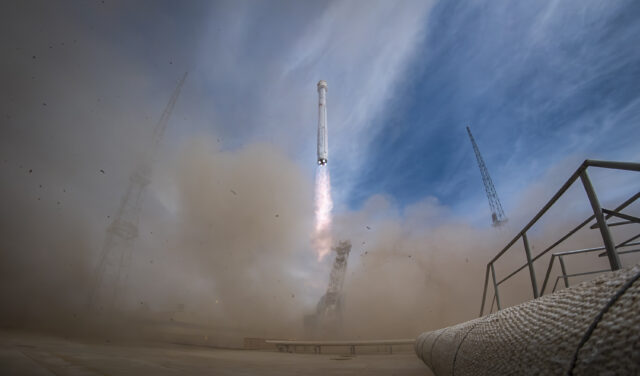
The landscape of international rocket development continues to expand at a remarkable pace, with nations and private companies across the globe pushing the boundaries of what's possible in launch vehicle technology. Russia has recently made headlines with claims surrounding the success of a newly developed intercontinental ballistic missile, adding another layer of complexity to the geopolitical space race. Meanwhile, in Europe, there is renewed interest and activity surrounding spaceplane development, a concept that has captured imaginations for decades but has proven extraordinarily challenging to realize at scale and cost-effectiveness.
This renewed European focus on spaceplane technology represents something of a déjà vu moment in aerospace history. The continent has previously invested considerable resources into spaceplane programs, including the Hermes project in the 1980s and 1990s, which ultimately never reached operational status. Current initiatives suggest that European space agencies and private companies have learned from past endeavors and are approaching spaceplane development with renewed technological sophistication and realistic expectations about timelines and budgets. The potential advantages of spaceplanes—including the ability to land on conventional runways, improved crew safety margins, and greater operational flexibility—continue to make the concept attractive despite its technical complexity.
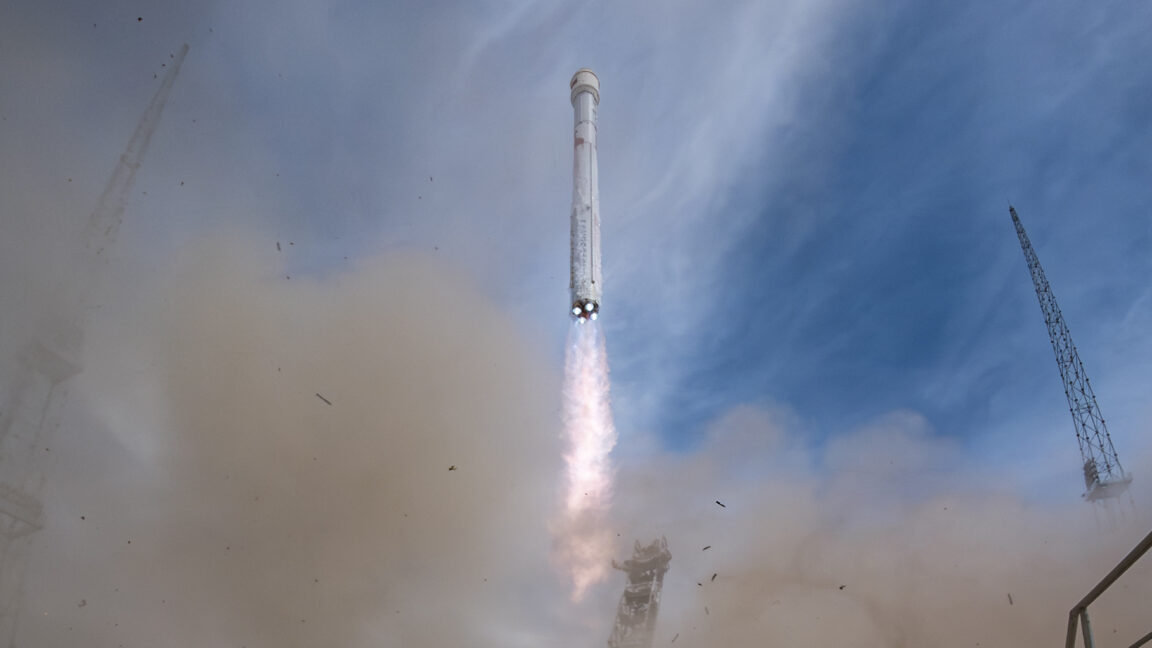
An Indian startup has reached a crucial inflection point in its development trajectory, positioning itself mere weeks or months away from its maiden launch attempt. Following the groundbreaking decision by the Indian government in 2020 to open previously restricted pathways for private industry to develop, manufacture, and conduct orbital launches of their own rockets, the domestic space sector has experienced unprecedented growth and innovation. This regulatory shift fundamentally transformed India's aerospace landscape, allowing entrepreneurs and engineers to pursue ambitious goals that were previously confined to state-sponsored institutions like the Indian Space Research Organisation.
The significance of this Indian startup's impending first launch cannot be overstated, as it represents both a validation of the government's progressive space policy and a demonstration of India's increasingly competitive position in the global commercial spaceflight market. India has historically been known for its cost-effective space capabilities and reliable launch services through ISRO, but the emergence of private companies promises to further reduce costs and accelerate innovation cycles. This startup's inaugural orbital mission, whenever it occurs, will serve as a watershed moment for India's private space industry and could open doors for subsequent ventures and investment in this high-growth sector.

The convergence of these multiple developments—from Russia's military innovations to NASA's ambitious lunar plans, from SpaceX's iterative refinement of Starship to Blue Origin's heavy-lift ambitions, and from European spaceplane revivals to India's private sector emergence—illustrates the genuinely global nature of modern spaceflight. No single nation or company operates in isolation anymore; rather, the entire ecosystem is interconnected through competition, cooperation, technology sharing, and mutual influence. Launch cadences at one facility inevitably affect planning at others, successful test programs inspire competitors to accelerate their own timelines, and regulatory decisions in one country ripple across international boundaries.
For those passionate about the future of human exploration and commercial spaceflight, these are genuinely exciting times. The rapid pace of technological advancement, combined with increased competition and investment, suggests that the coming years will witness remarkable achievements in launch vehicle capability, reusability, cost reduction, and operational flexibility. Whether you're tracking government programs, monitoring commercial ventures, or simply fascinated by the technical challenges of leaving Earth's atmosphere, this Rocket Report edition provides essential context and updates on the programs that will define the next era of spaceflight.

Source: Ars Technica


