
Russia's Internet Crackdown Sparks Soviet Comparisons

Russia's escalating internet restrictions are drawing parallels to Soviet-era censorship, fueling widespread public discontent among citizens.
Russia's digital landscape has undergone a dramatic transformation in recent years, with the Kremlin implementing increasingly stringent controls over internet access and content distribution. According to analysis from BBC correspondent Steve Rosenberg, these sweeping restrictions have fundamentally altered how Russian citizens interact with the online world, creating a climate of digital suppression that many are comparing directly to the censorship practices of the Soviet era. The parallels being drawn by ordinary Russians underscore growing frustration with what many perceive as an unprecedented assault on digital freedom.
The internet restrictions in Russia have grown progressively more severe, affecting everything from social media platforms to independent news websites. Citizens face significant obstacles when attempting to access content that the government deems politically sensitive or contrary to state interests. Major international platforms have been subject to throttling, blocking, or outright bans, forcing users to employ workarounds such as virtual private networks (VPNs) to access restricted content. This systematic approach to online censorship represents a coordinated effort by Russian authorities to control the information landscape.
The comparison to Soviet-era censorship resonates deeply among many Russians who are old enough to remember the information limitations of the communist period. During the Soviet Union's reign, state control over media and information was absolute, with citizens having virtually no access to independent news sources or foreign media. Today's digital restrictions, while technologically sophisticated, are achieving similar outcomes in terms of limiting access to diverse viewpoints and independent journalism. The fact that modern Russians are invoking these historical parallels demonstrates how profound they find the current situation.
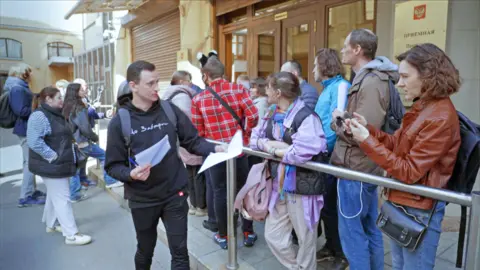
Digital blackouts have become an increasingly common occurrence throughout Russia, with authorities implementing temporary or extended shutdowns of specific online services or entire regions' internet connectivity. These blackouts often coincide with periods of political unrest, protests, or significant international events, leading observers to conclude they represent tactical measures designed to prevent the rapid spread of information and coordination among dissidents. The disruption to daily life caused by these blackouts extends beyond political concerns, affecting business operations, education, and essential services that rely on stable internet connectivity.
Public discontent stemming from these restrictions has been building steadily, particularly among younger Russians who have grown up with the internet as an integral part of their daily existence. The ability to access uncensored information, maintain international connections, and express themselves freely online has become a fundamental expectation for millions of Russian citizens. When these freedoms are constrained or eliminated, it creates a palpable sense of frustration that manifests in various ways, from private conversations about VPN usage to public criticism on platforms that remain accessible. This generational tension highlights a fundamental disconnect between government objectives and citizen expectations regarding digital rights.
The mechanics of Russian government internet control involve multiple layers of technological and regulatory enforcement. Internet service providers are required to implement sophisticated filtering systems that can identify and block access to blacklisted websites and services. Additionally, the government has invested heavily in domestic alternatives to international platforms, encouraging Russians to use state-approved social media networks and communication tools. These parallel systems create a fragmented digital ecosystem where certain content and services are simply inaccessible to most ordinary users without deliberate efforts to circumvent the restrictions.
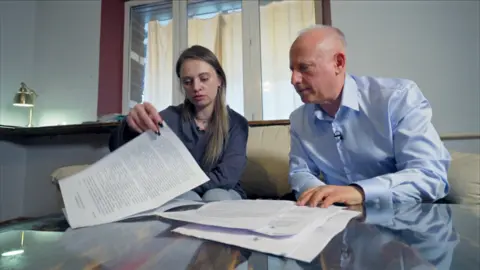
One particularly significant development has been the targeting of independent news sources and journalism in Russia. Major outlets that have historically provided critical coverage of government actions have been blocked or subjected to severe restrictions, pushing many toward digital underground operations or relocation to foreign servers. Journalists and news organizations face significant legal and technical challenges in continuing their work, yet many persist in attempting to reach Russian audiences through various workarounds and alternative platforms. This ongoing struggle between media organizations and state authorities represents a critical battleground in Russia's digital sphere.
The psychological impact of widespread internet censorship on Russian society cannot be underestimated. Citizens accustomed to navigating a relatively open digital environment now find themselves operating within carefully constrained boundaries, aware that certain topics, websites, and conversations are monitored or prohibited. This creates a climate of self-censorship where individuals become cautious about their online activities, even when those activities fall into gray areas rather than clear violations of explicit prohibitions. The resulting atmosphere of digital apprehension affects not only political discourse but also personal relationships and professional interactions that increasingly take place online.
International observers and human rights organizations have expressed serious concern about the trajectory of internet freedom in Russia. Various reports document the expanding scope of restrictions, the increasing sophistication of blocking technologies, and the growing penalties for attempting to circumvent these controls. The situation has prompted comparisons not only to the Soviet Union but also to authoritarian regimes in other parts of the world that employ similar tactics to maintain control over information and limit political opposition. These international perspectives have added further weight to Russian citizens' concerns about the direction their country is heading.
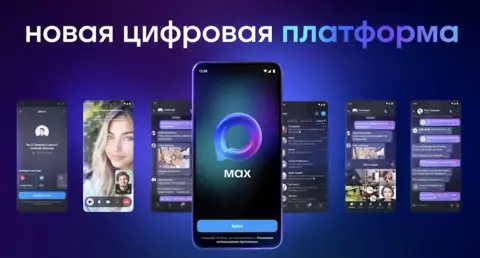
Looking forward, the trajectory of digital rights in Russia remains uncertain and deeply concerning to those who value freedom of information and expression. The government shows little sign of reversing course on its restrictions, and various indicators suggest that controls may continue to tighten in response to perceived threats to political stability or state authority. Meanwhile, Russian citizens continue to adapt and find creative ways to access blocked content, resulting in an ongoing technological and regulatory arms race between authorities and users seeking unrestricted access to information. The ultimate resolution to this conflict between government control and digital freedom remains to be determined, but the current trajectory suggests increasing restriction rather than greater openness.
The broader implications of Russia's internet policies extend beyond its borders, serving as a case study in how modern authoritarian systems can leverage technology to control populations in ways that historical predecessors could only have dreamed possible. The systematic nature of the restrictions, combined with their technological sophistication and legal framework, creates barriers to information access that are simultaneously harder to detect and harder to circumvent than traditional censorship mechanisms. As other nations watch these developments unfold, questions about the future of internet freedom and digital rights in an increasingly digitized world take on greater urgency and importance for policymakers and citizens worldwide.
Source: BBC News


