
Russia's Tank-Free Victory Day Parade Signals War Struggles

Russia's Victory Day parade lacks military hardware for first time in 20 years, raising questions about the Ukraine conflict's trajectory and military capabilities.
Russia's upcoming Victory Day parade on Saturday will mark a historic departure from nearly two decades of military tradition, featuring soldiers marching without tanks, artillery vehicles, or other heavy military equipment. This unprecedented decision to exclude military hardware from one of Russia's most significant annual celebrations has drawn considerable attention from military analysts and international observers who view it as a potential indicator of the Ukraine war's strategic situation.
Victory Day, celebrated on May 9th each year, commemorates the Soviet Union's victory over Nazi Germany in World War II and stands as one of the most important patriotic occasions in Russia. Traditionally, the parade through Red Square showcases Russia's military might with an impressive display of tanks, armored personnel carriers, missile systems, and other advanced weaponry, serving as both a tribute to historical sacrifice and a demonstration of contemporary military strength. The annual spectacle has long been orchestrated to project power and national pride, with massive military processions rolling through Moscow's streets in carefully choreographed displays that underscore Russia's global significance.
The absence of heavy military equipment from this year's parade represents a significant symbolic shift. According to military analysts and defense experts, including commentary from observers like Rosenberg, the decision may reflect constraints on Russia's ability to spare military assets that are currently deployed in Ukraine. Russia's military operations in Ukraine have reportedly consumed substantial amounts of equipment, personnel, and resources since the 2022 invasion, potentially leaving fewer assets available for traditional domestic displays.
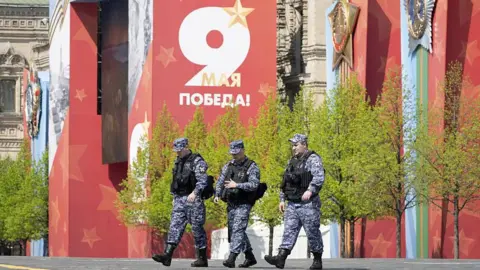
The Ukraine conflict has proven far more demanding on Russian military resources than initially anticipated by military planners. Over the course of the ongoing war, Russia has sustained significant losses in personnel, equipment, and supplies, forcing difficult logistical decisions about resource allocation. The choice to field only soldiers in Saturday's parade, while maintaining the ceremonial aspects of the celebration, suggests that military leadership determined it prudent to keep equipment in operational theaters rather than parade them through the capital.
This marks the first time since the early 2000s that Russia has conducted its primary Victory Day parade without the traditional display of military hardware. Previous parades consistently featured tank divisions, missile launcher systems, armored vehicles, and other sophisticated weaponry that demonstrated Russia's military technological capabilities and industrial capacity. The visual absence of these systems represents a departure from the carefully cultivated image of military supremacy that Russian state media and leadership have traditionally emphasized during the holiday.
Military analysts interpret the hardware-free parade as indicative of broader challenges facing Russia's military strategy in Ukraine. The prolonged nature of the conflict, combined with sustained Ukrainian resistance and international support for Kyiv, has strained Russia's ability to maintain the kind of overwhelming military advantage it initially possessed. Equipment losses, manufacturing constraints, and the need to maintain operational readiness in active combat zones have all contributed to pressures on Russia's military infrastructure.

The symbolic significance of the parade modification extends beyond mere logistical constraints. Public perception and national morale represent critical components of military and political legitimacy, particularly for authoritarian systems that rely heavily on displays of state power and national grandeur. By maintaining the parade's ceremonial aspects while removing the hardware showcase, Russian leadership attempts to preserve the patriotic messaging and historical commemoration while accommodating operational realities.
International defense experts have noted that this adjustment provides valuable intelligence regarding Russia's current military posture. The military hardware typically displayed at Victory Day parades offers observers insights into operational inventory, technological capabilities, and the systems available for potential mobilization. The decision to exclude these elements removes such visibility and suggests Russian military command recognized the value in maintaining operational secrecy about its current capabilities and asset distribution.
The parade decision also reflects broader challenges within Russia's defense sector and industrial base. Manufacturing new military equipment while maintaining existing systems and replacing combat losses requires substantial economic resources and industrial capacity. Sanctions imposed by Western nations since the Ukraine invasion have complicated Russia's ability to source critical components and maintain production schedules, further constraining the availability of equipment for both operational deployment and ceremonial display.
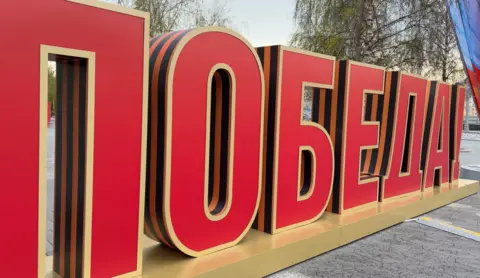
Historical context underscores the significance of this change in parade tradition. For the past two decades, Russia's Victory Day parades have grown increasingly elaborate and militaristic, reflecting Vladimir Putin's emphasis on national strength and military modernization. The parades served as annual opportunities to showcase weapons systems ranging from the latest battle tanks to advanced cruise missiles, sending messages to both domestic audiences and international observers about Russian military capabilities and resolve.
The elimination of military hardware from this year's parade represents a notable reversal of that trend. Rather than projecting unlimited military capacity and unstoppable momentum, the decision implicitly acknowledges constraints on available resources. For observers monitoring the Ukraine war's trajectory, this choice by Russian leadership provides concrete evidence that the conflict is consuming military assets faster than they can be replenished or replaced.
Ukrainian observers and Western military analysts have seized upon the parade modification as confirmation of their assessments regarding the war's impact on Russian military capabilities. The decision to conduct a soldier-only parade validates arguments that Russia's military has sustained substantial losses and faces genuine constraints on its ability to continue current operational tempos indefinitely. The symbolic message, whether intentional or not, communicates limits to Russian military capacity that contradict official narratives of military superiority and operational success.
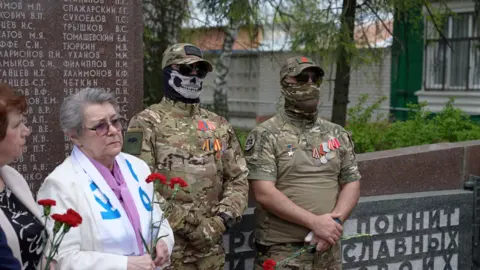
Looking forward, the parade modification may signal shifts in Russian military strategy and resource allocation. If the military operations in Ukraine continue at current intensity, further constraints on parade displays and other ceremonial military demonstrations could become normalized. Conversely, if Russia achieves significant military victories or successfully replenishes its equipment stocks, future parades might return to traditional displays of military hardware, signaling recovered capacity and renewed operational capability.
The decision ultimately reflects the interconnected nature of military operations and state symbolism in Russia's political system. Victory Day parades have long served purposes beyond simple historical commemoration, functioning as critical tools for projecting national strength and maintaining public support for military initiatives. The absence of traditional military hardware display disrupts this messaging strategy while simultaneously providing unavoidable evidence of the Ukraine war's substantial costs and ongoing demands on Russian military resources.
Source: BBC News


