
Russia Scales Back Victory Day Parade Amid Ukraine Drone Threats

Russia cancels military hardware from Moscow's Victory Day parade for first time in 20 years, citing security concerns over potential Ukrainian drone attacks on Red Square.
Russia is preparing for a significantly scaled-back Victory Day celebration this May, marking a dramatic departure from the nation's traditional military pageantry. The Victory Day parade scheduled for May 9 in Moscow will notably feature no armoured vehicles, tanks, or missile systems rolling across the iconic Red Square—a historic first for the annual commemoration in nearly two decades. Russian defense officials have attributed this unprecedented decision to security vulnerabilities and ongoing threats stemming from Ukraine drone attacks that have become increasingly sophisticated and far-reaching.
The Russian Defence Ministry officially announced the decision to eliminate all military hardware from the traditional parade route, citing "the current operational situation" as the primary concern. This phrasing represents a carefully worded acknowledgment of the security risks posed by long-range Ukrainian drones, which have demonstrated an expanding capability to strike targets deep within Russian territory. The removal of heavy military equipment represents an extraordinary concession for a nation that has used its annual Victory Day spectacle as a platform for displaying military might and asserting national pride.
Victory Day, celebrated annually on May 9, commemorates the Soviet Union's decisive victory over Nazi Germany in World War II and remains one of Russia's most significant national holidays. Historically, the parade has served as a showcase for the Russian military's latest equipment, advanced weaponry systems, and personnel in elaborate formations. The event typically draws hundreds of thousands of spectators to Red Square and is broadcast nationwide, functioning as a powerful symbol of Russian military strength and national resilience.
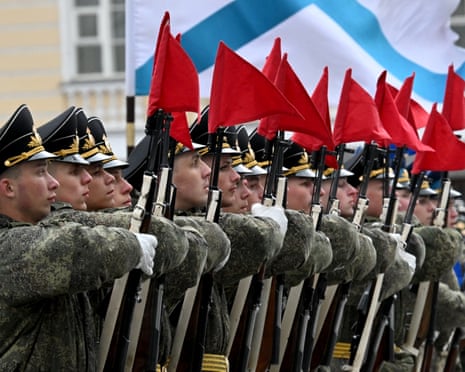
The decision to eliminate military equipment from the parade reflects the escalating security challenges that Russia faces along its border with Ukraine. Ukrainian forces have made significant advances in drone technology and long-range strike capabilities over the past two years of conflict. These weapons systems have proven capable of reaching targets in Moscow and other major Russian cities, forcing military planners to reassess traditional public gatherings and large-scale military assemblies that concentrate valuable personnel and equipment in predictable locations.
Ukrainian drone strikes have fundamentally altered the strategic calculus for Russian military operations and public events. The drones, which range from modified commercial quadcopters to sophisticated purpose-built reconnaissance and strike platforms, have demonstrated increasing accuracy and operational range. Intelligence assessments suggest that Ukrainian forces possess the capability to target major population centers and infrastructure, making the concentration of military hardware on Red Square an unacceptable security risk. The vulnerability of stationary military assets to drone strikes has become increasingly apparent throughout the ongoing conflict.
This marks the most significant alteration to Russia's Victory Day celebration in the post-Soviet era. For nearly twenty years, the parade has prominently featured the latest achievements in Russian military technology, including advanced tank variants, mobile missile systems, and armored personnel carriers. The equipment on display has often served as a platform for unveiling new weapons systems and demonstrating technological capabilities to both domestic and international audiences. The elimination of these displays signals a fundamental shift in how Russia chooses to present itself during this crucial national commemoration.
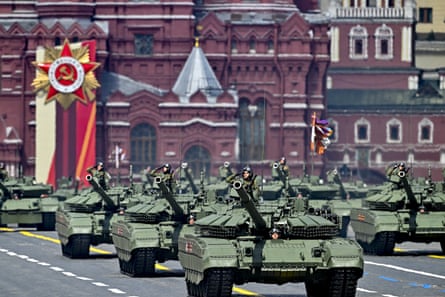
The security concerns driving this decision extend beyond the parade itself to encompass the broader vulnerability of major Russian cities to air attack. Ukraine drone capabilities have been systematically improving, with reported strikes occurring in Moscow itself, including attacks on critical infrastructure and government buildings. The concentration of military leadership, personnel, and dignitaries that traditionally attends the Victory Day parade would represent an exceptionally high-value target for Ukrainian forces. Defensive systems protecting Red Square, while formidable, cannot guarantee complete protection against a sustained multi-vector drone attack utilizing various platforms and tactics.
Military analysts suggest that the parade will still proceed with personnel demonstrations, possibly including marching units, historical reenactments, and other ceremonial elements that do not require the presence of heavy equipment or valuable military assets. This approach allows Russia to maintain the patriotic symbolism and national tradition of the celebration while significantly reducing security vulnerabilities. The modified format represents a pragmatic response to contemporary warfare realities, acknowledging that stationary military equipment and large-scale assemblies have become increasingly difficult to defend against modern asymmetric threats.
The decision also reflects broader strategic considerations regarding how Russia manages public perception and military morale during an extended conflict with Ukraine. Canceling the traditional hardware display risks appearing as a concession or loss of confidence in Russia's military superiority. However, allowing military assets to be damaged or destroyed in a drone attack during a major national celebration would potentially damage Russian credibility and morale far more severely. Officials have attempted to frame the modified parade as a pragmatic security decision rather than an acknowledgment of vulnerability.
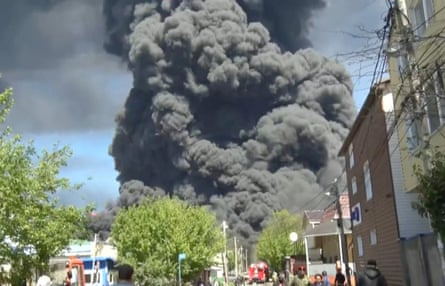
The broader implications of this decision extend to how Russia's military strategy continues to evolve in response to Ukrainian innovation. The ability of Ukraine to force modifications to major Russian state events demonstrates the tangible impact of technological asymmetry and innovation in contemporary conflict. As Ukrainian forces develop new capabilities, Russian military planners must continuously reassess how traditional operations, training exercises, and public demonstrations can be conducted safely. This dynamic creates an ongoing challenge for maintaining military readiness and public morale.
Historical precedent suggests that removing military hardware from the parade represents a significant symbolic shift. Throughout the Soviet era and the post-Soviet period, the Victory Day parade has featured progressively more advanced military equipment, reflecting technological development and the scale of military resources. The decision to eliminate these displays entirely marks a departure from decades of tradition and represents an implicit acknowledgment that the security environment has fundamentally changed. Russian military leadership appears to have determined that the security risks now outweigh the propaganda and morale benefits of the traditional display.
The modified Victory Day parade will likely still include substantial ceremonial elements, with personnel in military uniforms, veteran organizations, civilian marching groups, and historical reenactments potentially forming the core of the celebration. The atmosphere and patriotic messaging of the event can remain largely intact without the presence of heavy military equipment. This approach allows Russian officials to preserve the essential character of the national commemoration while demonstrating pragmatic security awareness. However, international observers will likely view the elimination of military hardware as a symbolic indicator of the costs the conflict has imposed on Russian military capabilities and planning.
The decision also has implications for how other nations perceive Russian military posture and vulnerability. The removal of parade hardware may be interpreted as evidence that Russia cannot adequately protect even its most high-profile public events from Ukrainian strikes. This perception could influence assessments of Russian military effectiveness and the sustainability of Russia's position in the ongoing conflict. International military analysts will undoubtedly incorporate this development into broader evaluations of military balance and strategic trends in the region.
Looking forward, Russia faces the challenge of maintaining national morale and military prestige while implementing security measures necessitated by Ukraine's evolving military capabilities. The Victory Day parade, despite its modified format, will continue to serve as a focal point for national unity and commemoration of historical achievement. However, the altered celebration reflects the reality that Russia's strategic environment has become significantly more constrained and complex. The decisions made regarding this year's parade may establish precedents for how Russia conducts major public events and military demonstrations throughout the duration of the conflict with Ukraine.


