
Russia, Ukraine Trade Ceasefire Blame Over Victory Day

Hours into a Victory Day truce, Russia and Ukraine accuse each other of breaching the agreement amid reports of hundreds of drone attacks.
The fragile Victory Day ceasefire between Russia and Ukraine collapsed within hours on Wednesday, as both nations accused one another of violating the temporary truce meant to allow commemorations of the Soviet Union's historic victory over Nazi Germany during World War II. What was intended to be a brief period of peace quickly deteriorated into mutual recriminations, with each side reporting significant military activity and drone strikes that they claimed were initiated by their opponent.
The ceasefire agreement, brokered to provide a humanitarian pause during the May 9th Victory Day celebrations, was supposed to create a window of relative calm across the conflict zones. However, military officials from both nations immediately disputed who initiated hostilities first, with each side maintaining that their defensive responses were justified reactions to unprovoked aggression. The breakdown of the truce highlights the deep mistrust between the warring parties and the challenges of maintaining any form of agreement in the ongoing conflict.
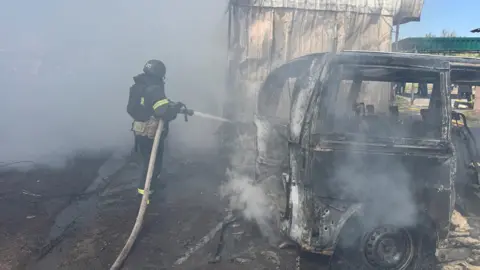
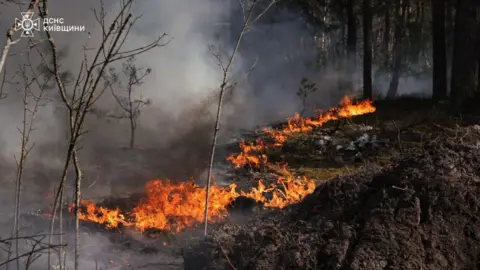
Ukrainian authorities reported that Russian drone attacks resumed shortly after the ceasefire was supposed to take effect, forcing their military to respond with their own aerial countermeasures. Military spokespeople stated that Russian forces had launched hundreds of unmanned aerial vehicles in coordinated strikes targeting civilian infrastructure and military installations across Ukrainian territory. These accounts painted a picture of systematic violation by Russian forces, with claims that Moscow never intended to honor the temporary peace agreement from the outset.

Russian officials presented a starkly different narrative, insisting that Ukrainian forces were the first to breach the ceasefire arrangements. Moscow claimed that Ukrainian military assets launched numerous drone and missile attacks against Russian positions and civilian areas in Russian territory during the early hours of the truce period. Russian military representatives argued that their subsequent military actions were defensive measures taken in response to Ukrainian aggression, intended to protect Russian citizens and military personnel from harm.
The exact sequence of events that triggered the breakdown remains contested, as is typical in armed conflicts where both sides maintain competing accounts of military developments. Independent verification of the claims proved difficult, given the ongoing nature of the conflict and limited access for international observers in active combat zones. However, multiple reports from military analysts and observers suggested that drone warfare had intensified significantly during the critical hours when the ceasefire was supposed to be in effect.
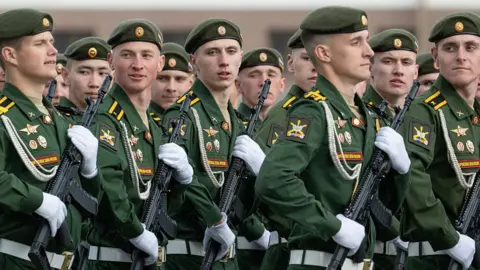
Victory Day holds profound symbolic importance in Russian culture and across former Soviet republics, commemorating the surrender of Nazi Germany on May 9, 1945. The holiday represents one of the most significant dates in the Russian calendar, with extensive military parades, public celebrations, and official ceremonies typically marking the occasion. Moscow had previously proposed the ceasefire specifically to allow these cultural and historical commemorations to proceed without active military operations disrupting the celebrations.
Ukrainian leadership acknowledged the historical importance of the day but expressed skepticism about the ceasefire arrangement from the beginning. Officials in Kyiv had previously indicated concerns that the temporary truce could be exploited by Russian forces to reposition troops, resupply military assets, and prepare for renewed offensives. This fundamental distrust of Russian intentions reflected months of broken agreements and escalating military tensions throughout the ongoing conflict, making both sides reluctant to believe in the sincerity of temporary peace arrangements.
The failure of the Victory Day truce underscores the profound breakdown in communication and trust between the Russian and Ukrainian governments. Even brief, limited ceasefire agreements have proven impossible to maintain, suggesting that broader peace negotiations would face significant obstacles. Military analysts note that the rapid resumption of hostilities indicates neither side is prepared to step back from active combat operations, regardless of symbolic or commemorative occasions.
Throughout the conflict, numerous humanitarian corridors, prisoner exchanges, and temporary pauses have been attempted, often with mixed results. The Victory Day ceasefire represented one of the latest in a series of fragile arrangements designed to provide brief respites from active combat. However, the consistent pattern of mutual accusations and rapid resumption of hostilities suggests a fundamental incompatibility between the stated goals of both nations regarding conflict resolution.
The conflict between Russia and Ukraine has resulted in massive displacement of civilians, significant military casualties, widespread destruction of infrastructure, and a profound humanitarian crisis. The inability to maintain even symbolic ceasefire arrangements reflects the intensity and bitterness of the ongoing struggle. International observers and humanitarian organizations have expressed deep concern about the continued escalation and the apparent futility of temporary peace measures that collapse within hours of implementation.
Military observers note that both nations have invested heavily in drone technology and unmanned aerial systems, making these weapons platforms central to modern warfare strategies. The hundreds of drone attacks reported during the failed ceasefire period demonstrate how integral these systems have become to contemporary military operations. The rapid deployment of such assets during the truce breakdown suggests pre-positioned forces and standing orders that supersede ceasefire arrangements.
The international community has called repeatedly for sustained dialogue and meaningful peace negotiations between Russia and Ukraine. However, the breakdown of even limited ceasefire agreements raises questions about the viability of broader peace initiatives. Diplomatic efforts continue at various levels, but the fundamental disagreements over territorial integrity, security guarantees, and the terms of any potential settlement remain unresolved and seem to be pushing the nations further apart rather than toward reconciliation.
The failed Victory Day ceasefire serves as a stark reminder of the challenges involved in managing active armed conflicts and the deep-seated mistrust between adversaries. While both sides cite legitimate security concerns and operational requirements for their military actions, the mutual inability to honor even temporary truces suggests that resolution of the broader conflict through negotiated settlement faces substantial barriers. The coming weeks and months will likely determine whether either side makes renewed efforts toward peace or whether the conflict continues to intensify along current trajectories.
Source: BBC News


