
Russia Unleashes 200+ Drones on Ukraine in Major Assault

Russia launches massive daytime drone attack on Ukraine with over 200 unmanned aircraft, escalating conflict despite Trump's peace predictions and recent ceasefire.
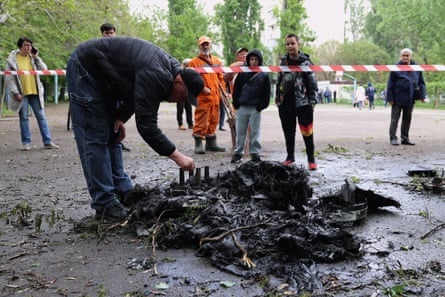
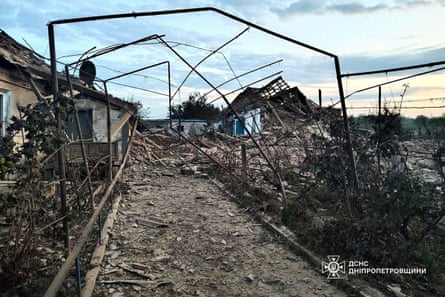
In a significant escalation of hostilities, Russia targeted Ukraine with more than 200 drones during a major daytime assault on Wednesday, marking another devastating chapter in the ongoing conflict between the two nations. The coordinated strike came just hours after a previous barrage had already ravaged civilian infrastructure, resulting in at least eight confirmed deaths and widespread destruction across multiple Ukrainian cities and regions.
The large-scale drone attack represents a continuation of Moscow's strategy to degrade Ukraine's military capabilities and civilian morale through sustained aerial bombardment. These unmanned aerial vehicles have become the primary weapon of choice for Russian forces in recent months, allowing them to strike targets at considerable distances while minimizing their own aircraft losses. The technological sophistication and sheer volume of drones deployed underscores the intensity of the current phase of the war.
This assault occurred against a backdrop of renewed diplomatic tensions, as Kyiv and Moscow engaged in a series of long-range attacks following a brief period of relative calm. The resumption of intensive strikes suggests that any temporary ceasefire has completely collapsed, leaving civilians and military personnel vulnerable to further bombardment. Military analysts suggest that both sides are attempting to demonstrate strength and resolve in the face of international pressure.

Adding another layer of complexity to the military situation, former U.S. President Donald Trump recently asserted that the Russia-Ukraine war could end in the near future, suggesting that diplomatic solutions might be within reach. However, the intensity of recent military operations on both sides appears to contradict these optimistic assessments, with neither party showing signs of de-escalating their military operations. Trump's statement has been met with skepticism from military analysts who point to the continued aggression as evidence that resolution may be more distant than political figures suggest.
Ukrainian officials have consistently condemned Russia's use of civilian areas as targets, documenting extensive damage to residential neighborhoods, hospitals, and critical infrastructure. The Ukrainian defense forces have been working overtime to intercept incoming drones and missiles, though the sheer volume of attacks makes complete defense nearly impossible. Each successful interception requires valuable air defense resources that could otherwise be deployed elsewhere along the extensive front lines.
The military escalation raises serious questions about the humanitarian situation within Ukraine, where millions of civilians have already been displaced by the conflict. Power plants, water treatment facilities, and heating systems have repeatedly come under attack, creating dangerous conditions for the population as winter approaches. International humanitarian organizations have called for immediate action to protect civilian infrastructure and ensure access to essential services.
Military experts argue that Russia's reliance on drone attacks reflects both strategic advantages and limitations in the current conflict. The sustained use of unmanned systems allows Russian forces to maintain offensive pressure without committing large numbers of manned aircraft to potentially dangerous missions. However, the effectiveness of these attacks has been somewhat limited by Ukraine's improving air defense capabilities and rapid adaptation to new threats.
The timing of the assault, occurring during daylight hours, suggests a deliberate choice to maximize visibility and psychological impact. Daytime attacks often target strategic infrastructure and military installations that require visual identification, whereas nighttime raids tend to focus on area targets. The boldness of conducting such operations in daylight demonstrates Russia's confidence in its ability to sustain losses while continuing offensive operations.
International observers have noted that the pattern of attacks and counter-attacks suggests a war that remains far from resolution despite political rhetoric. The ongoing conflict continues to consume resources from both nations, with significant economic and humanitarian costs mounting daily. Russia's decision to intensify drone operations may reflect either a strategic push to achieve battlefield advantages before any potential negotiations, or a hardening of positions that makes peaceful resolution increasingly unlikely.
The broader context of the assault includes concerns about the availability and production of drones and missiles by Russia, which continues to manufacture or acquire large quantities despite international sanctions. Intelligence assessments suggest that Russia maintains sufficient stocks to sustain current operational tempo for an extended period, potentially months or longer. This capacity for sustained operations underscores the potential longevity of the conflict unless diplomatic breakthroughs occur.
Ukrainian President Volodymyr Zelensky has repeatedly called for increased military aid and advanced air defense systems from Western allies to counter the drone threat more effectively. The provision of these systems has gradually improved Ukraine's defensive capabilities, though the demand for such equipment far exceeds available supplies. Western nations continue to balance the desire to support Ukraine with concerns about provoking further escalation or drawing themselves into direct conflict with Russia.
The Wednesday assault demonstrates that despite international diplomatic efforts and optimistic statements about peace prospects, the reality on the ground reflects a conflict that remains intense and destructive. Both Ukrainian and Russian military forces continue to operate at high tempo, with little indication that either side intends to reduce military pressure in the near term. The gap between political rhetoric about peace and military reality suggests that any resolution will require significant negotiations and possibly considerable time to achieve.
As the conflict continues, humanitarian agencies struggle to provide adequate support to affected populations while managing their own security challenges in an active war zone. The psychological toll on civilians enduring repeated air raids and uncertainty about their future remains a significant concern for international health organizations and advocacy groups. The continued assault on civilian infrastructure raises questions about compliance with international humanitarian law and the protection of non-combatants during armed conflict.
Source: The Guardian


