
Russia Violates Ceasefire, Unleashes Missiles on Ukraine

Russia continues attacks on Ukrainian cities with 100+ drones despite agreeing to 24-hour truce for military parade. Dozens killed.
In a stark demonstration of deteriorating diplomatic efforts, Russia launched a devastating assault on multiple Ukrainian cities overnight, deploying over 100 combat drones and three missiles despite agreeing to a temporary ceasefire announced by Ukrainian President Volodymyr Zelenskyy. The brazen attacks, which resulted in dozens of casualties, have drawn sharp criticism from Kyiv and renewed questions about Moscow's commitment to any peaceful negotiations or humanitarian gestures.
Ukrainian officials condemned the Russian military offensive as a blatant violation of the agreed-upon truce, which was intended to allow Russia to conduct its annual military parade in Red Square on Saturday without interference. The ceasefire, initially called by Zelenskyy, was presented as a goodwill measure to demonstrate Ukraine's willingness to negotiate and its commitment to international norms, despite the ongoing conflict that has devastated the nation for over two years.
President Zelenskyy had announced the unilateral 24-hour ceasefire after the Kremlin formally requested a pause in hostilities to conduct its iconic military celebration without disruption. The Ukrainian leader stated he would honor the truce on the condition that Russia reciprocate and refrain from attacking Ukrainian territory, creating a framework for what many hoped could be a brief moment of humanitarian relief for civilians caught in the crossfire.
The overnight bombardment fundamentally undermined these diplomatic overtures and exposed what Ukrainian officials characterize as Putin's true priorities. Kyiv's response emphasized that Russia's willingness to attack Ukrainian cities and kill civilians while ostensibly committed to a ceasefire reveals the Kremlin's lack of genuine interest in peace negotiations or respecting the safety of non-combatants.
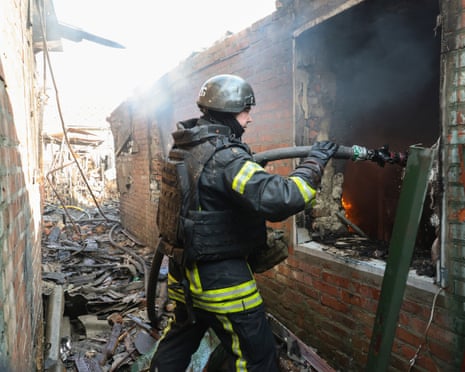
The scale of the overnight assault was substantial, with Russian drone attacks targeting critical infrastructure, residential areas, and military installations across multiple Ukrainian cities. The deployment of over 100 combat drones in a single night demonstrates the continued capacity and willingness of Russian forces to sustain intensive military pressure, despite international condemnation and economic sanctions designed to limit Moscow's ability to conduct sustained operations.
Military analysts have noted that the timing of this assault—during what was supposed to be a period of reduced hostilities—suggests a deliberate strategic choice by Russian command. Rather than utilizing the 24-hour window for logistical recovery or repositioning, Russian forces chose to intensify attacks, indicating that military objectives take absolute priority over any international agreements or humanitarian considerations in Moscow's strategic calculations.
The ceasefire violation has broader implications for any future peace negotiations or temporary truces. Ukrainian officials worry that Russia's pattern of disregarding agreements signals that diplomatic efforts may be futile and that military solutions remain Moscow's preferred approach. This assessment has influenced Ukraine's strategic posture and its approach to any potential negotiations or humanitarian corridors that might emerge in the conflict.
International observers and commentators have pointed out the symbolic significance of Russia's actions. By attacking during a ceasefire it had itself requested, the Kremlin demonstrated what critics describe as contempt for international law and humanitarian principles. The incident reinforces perceptions that Moscow views agreements as tactical conveniences rather than binding commitments, damaging whatever credibility Russian negotiators might possess in future diplomatic efforts.
Zelenskyy's decision to call a unilateral ceasefire had been interpreted by some observers as a strategic move to demonstrate Ukraine's moral high ground and commitment to ending the conflict. By agreeing to a 24-hour pause despite Russia's ongoing aggression, the Ukrainian president aimed to show the international community that Ukraine is willing to make sacrifices for peace. However, Russia's response effectively negated these diplomatic benefits and shifted international attention to Moscow's unwillingness to reciprocate even minimal humanitarian gestures.
The Ukraine-Russia conflict has now entered a phase where both sides appear entrenched in their positions, with little evidence of meaningful progress toward peace. Russia's continued military operations, combined with Ukraine's determination to resist and defend its sovereignty, suggest that the conflict may continue for an extended period without significant diplomatic breakthroughs.
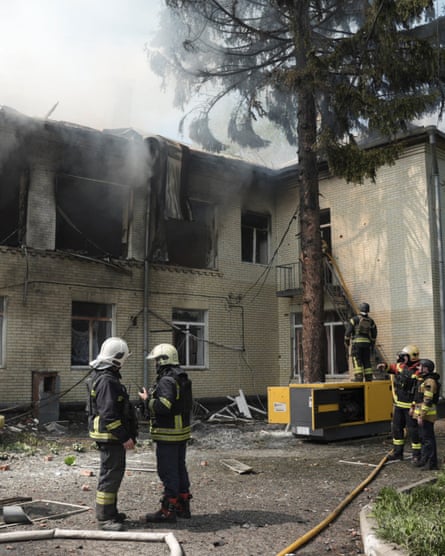
Civilian casualties from the overnight bombardment have raised urgent humanitarian concerns. Ukrainian medical facilities reported treating numerous injured civilians, while search and rescue operations continued in areas where missiles struck residential neighborhoods. The human cost of Russia's military aggression continues to mount, with families displaced, infrastructure destroyed, and the psychological toll on the population growing with each new assault.
The incident has also implications for international military support for Ukraine. Western allies, who have provided significant aid to help Ukraine defend against Russian aggression, view such violations of temporary truces as evidence that continued strong military support is necessary. The demonstrated unreliability of Russian commitments strengthens the argument for maintaining robust defensive capabilities and ensuring Ukraine has the tools necessary to resist Russian military pressure.
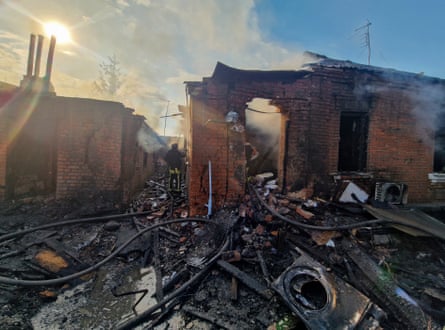
Russian officials have not provided detailed explanations for the attacks, though Moscow typically justifies military operations in Ukraine as necessary responses to perceived provocations or as efforts to eliminate military targets. However, independent verification of such claims has become increasingly difficult, and Ukraine maintains that Russia routinely targets civilian infrastructure and population centers in violation of international humanitarian law.
The broader context of this incident includes ongoing concerns about potential negotiations and peace talks. Some international observers have suggested that temporary truces or humanitarian corridors could provide relief to affected populations, but Russia's demonstrated unwillingness to honor even brief ceasefire agreements raises questions about whether any formal peace agreement would be worth the diplomatic effort required to negotiate it.
Zelenskyy's ceasefire announcement had also been framed as a test of Russian intentions. By proposing a temporary halt to hostilities and offering to reciprocate if Russia honored the agreement, the Ukrainian president essentially invited the world to witness whether Moscow could be trusted to follow through on commitments. Russia's response—continuing intensive military operations—provided a clear answer to that implicit question, with significant consequences for future diplomatic efforts and international perceptions of Russian reliability.
Source: The Guardian


