
Russian Attack Kills Seven in Ukraine

A major Russian military offensive targeting Ukraine has resulted in seven deaths. Dnipro bore the brunt of the assault with four casualties from a residential strike.
A significant Russian military attack has devastated multiple regions across Ukraine, claiming seven lives and intensifying the ongoing conflict between the two nations. The assault, which struck civilian areas with devastating precision, has renewed international concerns about the escalating humanitarian crisis unfolding in Eastern Europe. Authorities have launched comprehensive investigations into the strikes while rescue teams continue their efforts to locate potential survivors among the rubble.
The city of Dnipro, located in southeastern Ukraine, emerged as the primary target of this latest offensive, bearing the brunt of the Russian strikes with catastrophic consequences. Four individuals lost their lives when a residential building in the city was directly struck by the incoming fire, according to statements from local officials and emergency responders. The collapse of the structure left multiple families displaced and sparked urgent rescue and recovery operations throughout the neighborhood.
Emergency response teams mobilized immediately following the attack, with firefighters, medical personnel, and search and rescue specialists converging on affected areas. The destruction caused by the Ukraine attack created hazardous conditions that complicated rescue efforts, with teams carefully navigating through collapsed structures and unstable debris. Survivors with injuries were rapidly transported to nearby medical facilities, where healthcare workers struggled to accommodate the influx of casualties with limited resources already stretched thin by months of sustained conflict.
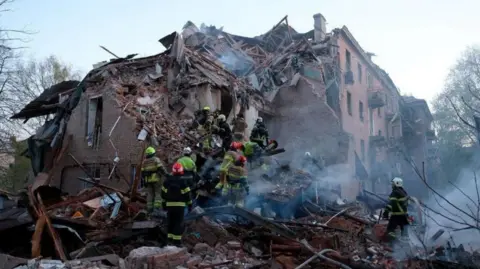
The three additional casualties occurred in separate locations across the broader region, indicating that the assault was not confined to a single target but rather represented a coordinated military offensive spanning multiple districts. Local authorities have confirmed that civilians comprised the majority of those killed, underscoring the indiscriminate nature of the bombardment. Preliminary reports suggest that several of the strikes impacted residential zones with no apparent military installations in immediate proximity.
Dnipro, a significant industrial and cultural hub with a population exceeding one million residents, has endured repeated attacks throughout the ongoing conflict. The city's importance as a transportation and manufacturing center has made it a recurring target for Russian forces seeking to degrade Ukraine's capacity to sustain its defense and economic operations. The cumulative toll of these repeated assaults has created widespread psychological trauma among the civilian population and strained municipal services.
Regional officials have issued statements condemning the strikes as violations of international humanitarian law and war crimes. They have called for increased international support and military aid to help Ukraine defend its territory and civilian population. These appeals have resonated with Western governments, which have pledged continued assistance while grappling with concerns about further escalation of the conflict.
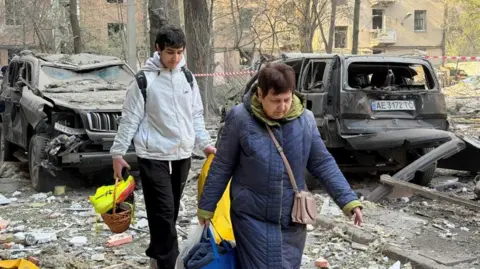
The infrastructure damage caused by this attack extends beyond the immediate loss of life, affecting essential services including electricity, water, and telecommunications. Power outages have impacted hospitals, water treatment facilities, and heating systems during a period when temperatures in the region remain dangerously cold. Utility companies have dispatched repair crews to restore services, though the frequency of attacks makes permanent restoration increasingly challenging.
International observers have documented patterns in these Russian attacks on Ukraine, noting a consistent targeting strategy focused on civilian infrastructure and population centers. Military analysts suggest that such operations aim to demoralize the population and strain governmental resources, though Ukrainian officials maintain that these tactics will not achieve their intended political objectives. The Ukraine-Russia conflict continues to generate international diplomatic tensions, with the United Nations and various humanitarian organizations expressing grave concerns about civilian casualties.
Local residents have shared harrowing accounts of the assault, describing sudden explosions, crumbling buildings, and scenes of chaos in the aftermath. Many survivors expressed anger and determination to continue supporting their country's defense efforts despite the personal losses they have sustained. Community organizations have mobilized to provide emergency shelter, food, and psychological support to displaced persons and those suffering from trauma.
The attack represents one of many incidents in the larger conflict that has persisted since Russia's full-scale invasion in February 2022. Military observers note that while the intensity of attacks fluctuates, the fundamental pattern of targeting civilian areas has remained consistent throughout the campaign. International weapons suppliers have worked to bolster Ukraine's air defense systems in response to these persistent threats.
Investigations into the specific targets and weaponry used in this attack are ongoing, with Ukrainian military and civilian authorities collaborating to document evidence of potential violations of international law. International legal experts have emphasized the importance of meticulous documentation for potential future prosecutions. The European Union and United States have reaffirmed their commitment to supporting Ukraine through both military aid and financial assistance packages designed to rebuild infrastructure and support displaced populations.
Source: BBC News


