
Russian Satellites Maneuver Near Finnish-American Radar Spy

Four Russian military satellites adjust orbits to match ICEYE radarsat, raising concerns about Moscow's space intentions and potential threats to surveillance assets.
In a significant development that has captured the attention of space intelligence experts worldwide, at least four Russian military satellites have recently altered their orbital trajectories to align with that of ICEYE, a Finnish-American radar surveillance satellite. These maneuvers, detected over the course of a single week, have sparked considerable debate regarding Russia's strategic intentions in the increasingly contested domain of space. The incident underscores the growing tensions in orbital space and raises critical questions about the safety and security of civilian and military space assets.
The discovery of these orbit adjustments was made possible through meticulous analysis of open source orbital tracking data, which continues to provide valuable insights into the movements of space-based assets. Greg Gillinger, a retired Air Force space intelligence officer with extensive experience in space operations and analysis, made the orbital changes public on Friday through a special edition of his Integrity Flash newsletter. This publication, which reaches a wide audience of space and defense professionals, is produced by Integrity ISR, a private organization specializing in providing what they describe as "combat-proven operational support and elite training that enhances mission success across ISR (Intelligence, Surveillance, and Reconnaissance), cyber, space, and targeting domains."
The four Russian satellites in question, officially designated as Kosmos 2610, 2611, 2612, and 2613, were launched together on April 16 aboard a Soyuz-2.1b rocket from the Plesetsk Cosmodrome, a major launch facility situated in northern Russia. Over the preceding week, these four spacecraft executed precision maneuvers that adjusted their orbital inclinations—essentially the angles at which their orbits intersect with the equator—by a fraction of a degree. While this adjustment might seem minimal in absolute terms, such orbital changes require deliberate, calculated actions and demonstrate sophisticated space maneuvering capabilities.
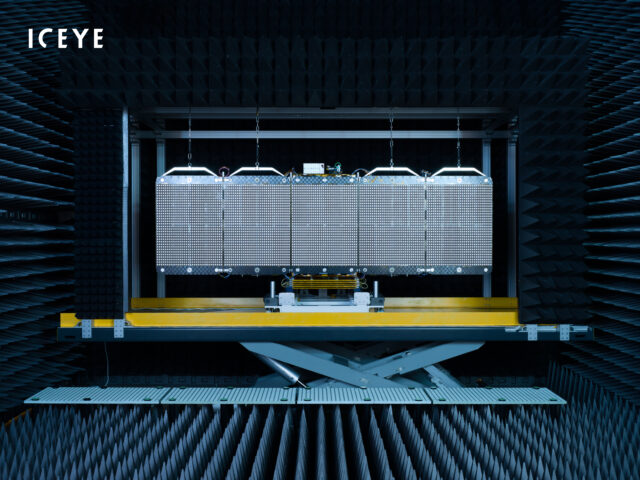
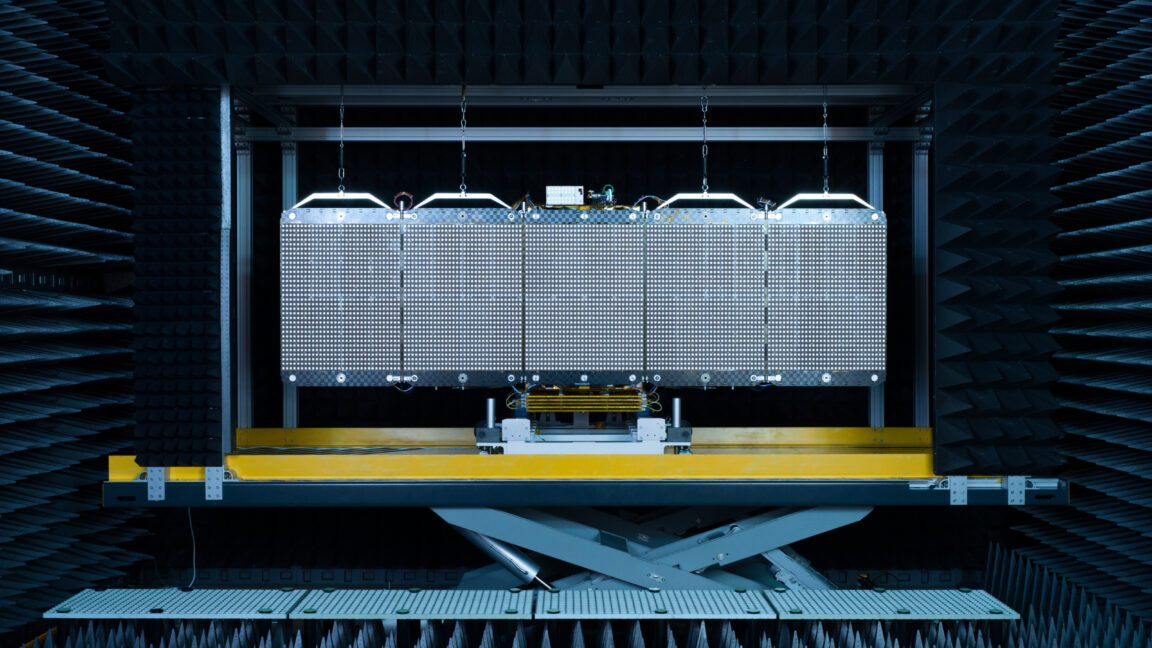
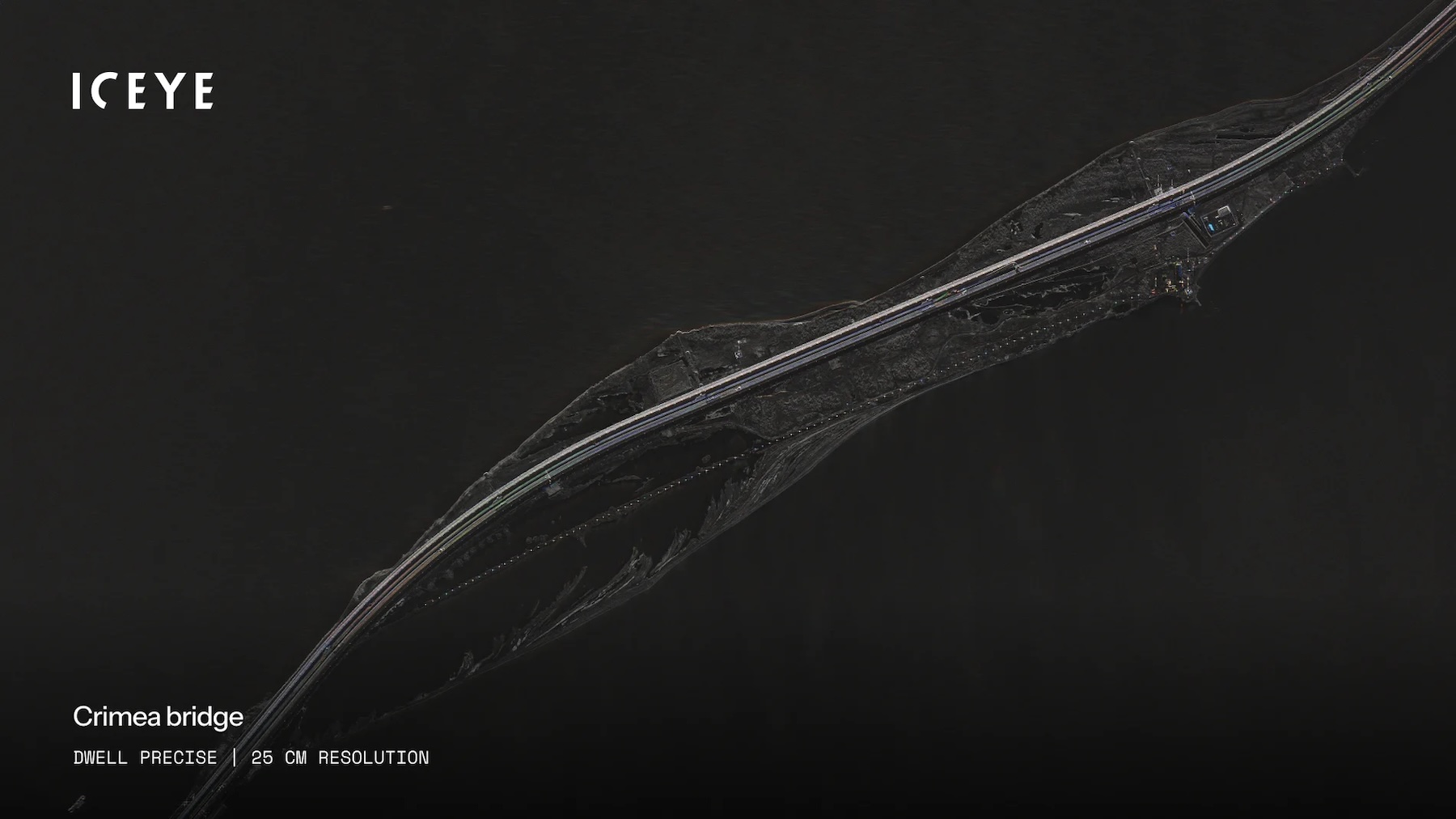
The targeting of ICEYE, a commercial radar surveillance satellite operated by a company that has been actively supporting Ukrainian defense efforts through the provision of satellite imagery, raises particularly troubling questions about Russian intentions. ICEYE has become increasingly valuable to international defense and humanitarian efforts, particularly in the context of ongoing geopolitical tensions. The Finnish-American company has established itself as a critical provider of synthetic aperture radar (SAR) imagery, technology that can penetrate cloud cover and darkness—capabilities that make it invaluable for intelligence gathering and monitoring military movements.
This incident represents the latest chapter in what experts are calling an expanding standoff in orbital space. The maneuvers highlight a troubling trend where space-based assets are becoming targets of opportunity in geopolitical disputes. Unlike traditional military assets on Earth, satellites in orbit operate in an environment where international law remains ambiguous, and the rules of engagement are poorly defined. This ambiguity creates a dangerous situation where nations might feel emboldened to take aggressive action against rival space capabilities.
The ability to conduct precise orbital maneuvers is a hallmark of advanced space capabilities, and Russia's demonstration of this skill with four satellites simultaneously suggests a well-coordinated and planned operation. The Kosmos designation typically refers to Russian military satellites, which encompasses a wide range of purposes including reconnaissance, early warning, and electronic intelligence gathering. The fact that Russia would deploy such assets in a manner that brings them into close proximity with a foreign surveillance satellite suggests either a deliberate show of capability or preparation for potential hostile action.
Experts in space security have long warned about the vulnerability of orbital infrastructure to interference and potential attack. The convergence of multiple satellites in similar orbital paths creates scenarios where collisions—whether accidental or intentional—become statistical probabilities. This risk is amplified when the satellites in question belong to nations with existing political tensions and competing strategic interests. The concept of space situational awareness has become increasingly critical as more nations and private companies launch satellites into orbit.
The broader context of this incident cannot be divorced from the ongoing geopolitical situation in Eastern Europe and Russia's demonstrated willingness to employ unconventional tactics in its disputes with Western nations. Over the past several years, Russia has conducted numerous anti-satellite tests and engaged in aggressive maneuvering of its space assets near those of other nations. These actions have prompted increased concern among NATO members and other allied nations about the militarization of space and the potential for escalation in this new domain of conflict.
ICEYE's role in supporting Ukraine through the provision of satellite imagery has made the company and its assets particularly noteworthy targets from Russia's perspective. The company has been transparent about its contributions to Ukrainian defense efforts, providing crucial intelligence that has assisted in military operations and humanitarian assessments. This public commitment to supporting Ukraine likely explains why ICEYE's satellites have been singled out for this apparent orbital maneuvering operation by Russian assets.

The detection and public disclosure of these orbital changes represent important developments in space transparency and accountability. By making this information public through established channels in the defense intelligence community, experts like Gillinger help maintain pressure for international responsibility in space operations. The reliance on open source tracking data demonstrates that even without classified intelligence systems, careful observers can identify significant military activities in orbit, a fact that should give pause to any nation considering aggressive space operations.
Moving forward, this incident will likely prompt renewed discussions about the need for international agreements governing military activities in space and establishing clearer rules of engagement for orbital operations. The United States and its allies are increasingly focused on developing space defense strategies and capabilities to protect critical orbital infrastructure. Meanwhile, Russia's actions suggest a willingness to test boundaries and demonstrate capabilities in ways that could provoke escalatory responses.
The satellite constellation positioning near ICEYE demonstrates the growing sophistication of space operations and the real risks facing valuable space infrastructure. As commercial companies continue to expand their presence in orbit and their capabilities become more critical to national security and civilian applications, the need for protection mechanisms becomes increasingly urgent. The incident serves as a reminder that the space domain, once considered primarily the province of national governments, has become a complex environment where commercial operators face serious security challenges that extend far beyond traditional business concerns.
Source: Ars Technica


