
Russian Strikes Kill 1, Wound 40 in Kyiv Overnight

Russia unleashes over 1,500 drones in two days as deadly strikes continue across Ukraine. Zelenskyy calls for international response to attacks on civilian infrastructure.
The escalating conflict between Russia and Ukraine has reached a critical juncture as Russian military forces have intensified their aerial bombardment campaign, deploying an unprecedented number of unmanned aerial vehicles across Ukrainian territory. According to statements from Ukraine's president Volodymyr Zelenskyy, Russia has unleashed more than 1,500 drones over the course of just two days, marking a significant escalation in the ongoing military campaign that has devastated civilian populations and critical infrastructure throughout the country.
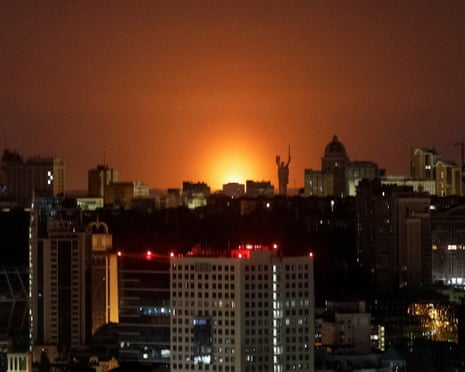
The latest round of Russian strikes on Ukraine overnight resulted in at least one confirmed death and approximately 40 injured civilians, primarily concentrated in and around the capital city of Kyiv. These attacks specifically targeted what Ukrainian officials have identified as civilian infrastructure, raising serious concerns about potential violations of international humanitarian law and the deliberate targeting of non-military objectives. The overnight assault represented a continuation of sustained military pressure that has characterized the conflict over recent weeks.
Following the devastating overnight strikes, President Zelenskyy issued a forceful statement addressing the international community and expressing his frustration with the apparent lack of response from global partners. He emphasized that these actions demonstrate Russia's continued commitment to prosecuting the war, contradicting any suggestions that Moscow may be considering an end to hostilities. The Ukrainian leader's remarks underscore the urgent need for coordinated international pressure and support to counter what he characterizes as a deliberate strategy of attrition against Ukraine.

In his formal response to the attacks, Zelenskyy stated with apparent frustration and urgency: "These are definitely not the actions of those who believe the war is coming to an end. It is important that partners do not remain silent about this strike." This pointed commentary serves as both a condemnation of the military actions and a direct appeal to Western nations and international allies to acknowledge and respond to what he views as unacceptable violations of civilian safety and international norms.
The deployment of over 1,500 drones in a two-day period represents a dramatic increase in Russia's aerial offensive capabilities and suggests a strategic shift toward more intensive and sustained bombardment campaigns. Drone warfare has become a central feature of the conflict, allowing Russian forces to conduct strikes across vast distances while minimizing risks to manned aircraft that have proven vulnerable to Ukrainian air defenses. The sheer volume of these unmanned systems being deployed indicates a resource-intensive campaign that raises questions about the sustainability and broader strategic objectives of the Russian military effort.
The targeting of civilian infrastructure in Kyiv has become an increasingly common pattern in recent operations, with reports indicating that power generation facilities, water treatment plants, and other essential services have been repeatedly struck. These attacks have profound humanitarian consequences, leaving civilians without access to basic utilities and essential services during the harsh winter months. The deliberate focus on infrastructure suggests a strategy designed to erode civilian morale and increase pressure on the Ukrainian government through economic disruption and human suffering.
International observers and military analysts have characterized the intensification of drone attacks as a shift in Russian military tactics, potentially compensating for losses in conventional ground forces and manned aircraft. The ability to sustain such high volumes of unmanned strikes over extended periods demonstrates the depth of Russia's military-industrial capacity and its commitment to maintaining offensive pressure despite mounting losses. Ukrainian air defense systems have worked overtime to intercept these weapons, though the sheer number of simultaneous targets often overwhelms protective capabilities.
The humanitarian toll of these sustained operations continues to mount, with civilian casualties and infrastructure damage accumulating at an alarming rate across urban centers throughout Ukraine. Hospitals and medical facilities have been strained to capacity treating the wounded, while emergency services struggle to respond to multiple simultaneous incidents across the capital and surrounding regions. The psychological impact on civilian populations facing repeated bombing campaigns has also emerged as a significant concern, with many experiencing trauma and displacement.
President Zelenskyy's appeal to international partners reflects growing Ukrainian frustration with what many perceive as insufficient Western response to Russian military actions. While significant military and financial aid has been provided to Ukraine by NATO countries and other allies, Zelenskyy has repeatedly called for more robust support, additional weapons systems, and stronger diplomatic pressure on Russia to cease hostilities. His statement emphasizing that partners "do not remain silent" suggests that rhetorical support alone is viewed as inadequate given the scale and severity of ongoing attacks.
The continuation of these intense strikes overnight and into the following day underscores the dynamic and unpredictable nature of the conflict, where tactical situations can change rapidly and civilian populations remain perpetually vulnerable. The Russian military strategy appears focused on maintaining offensive momentum while maximizing damage to Ukrainian infrastructure and civilian morale. As the conflict enters what many observers now describe as a prolonged period of attrition, the human cost continues to escalate dramatically for both military and civilian populations.
The international community faces mounting pressure to respond more decisively to what many characterize as escalating Russian aggression and potential war crimes. Zelenskyy's statement represents not just a critique of specific military actions but a broader call for enhanced commitment from Western allies in supporting Ukraine's defense and reconstruction efforts. The path forward remains uncertain, with humanitarian concerns mounting alongside diplomatic challenges in achieving any viable resolution to the ongoing conflict.
Source: The Guardian


