
Russian Strikes Kill 24 in Kyiv Deadliest Attack

President Zelenskyy confirms at least 24 deaths including three children in one of the deadliest Russian attacks on Kyiv since the war began.
In what represents one of the most devastating attacks on Ukraine's capital since the beginning of the war, at least 24 people were killed in Russian strikes on Kyiv, according to an announcement made by President Volodymyr Zelenskyy. The grim casualty count, which includes three children among the dead, was confirmed following overnight search and rescue operations that extended into the early morning hours as emergency crews worked tirelessly to locate survivors and recover bodies from the rubble.
The Russian attack on Kyiv represents a significant escalation in the military campaign against Ukraine's capital, with the death toll reflecting the scale and intensity of the assault. Rescue teams and emergency personnel mobilized across multiple districts of the city as explosions were reported throughout the night, leaving a trail of destruction across residential areas and civilian infrastructure. The deadly Russian strikes on the Ukrainian capital have once again demonstrated the vulnerability of urban centers to aerial bombardment and the ongoing threat faced by civilians in the war zone.
President Zelenskyy addressed the international community following the attack, emphasizing the gravity of the situation and the need for global action. In his statement, the Ukrainian leader stressed the unacceptable nature of Russian attacks targeting civilians, particularly those resulting in the deaths of children. The president's remarks underscored the moral imperative for the international community to support Ukraine's defense efforts and to hold Russia accountable for what many argue constitute war crimes and violations of international humanitarian law.

"A Russia like this can never be normalised – a Russia that deliberately destroys lives and hopes to remain unpunished," Zelenskyy declared, his words reflecting the deep frustration with what Ukraine views as the indiscriminate targeting of civilian populations. The president's statement served as a stark reminder of the human cost of the ongoing conflict and the necessity for sustained international pressure on Russia to cease its military aggression. Zelenskyy emphasized that pressure is needed to ensure accountability and to prevent such attacks from continuing unchecked.
The Kyiv attack comes amid a broader pattern of Russian military operations targeting Ukrainian cities and civilian infrastructure. Over the course of the war, Russia has repeatedly launched aerial bombardments against Kyiv and other major urban centers, causing significant loss of life and widespread destruction of homes, hospitals, schools, and other critical infrastructure. These attacks have prompted international condemnation and calls for stronger measures to support Ukraine's air defense systems and military capabilities.
Zelenskyy further emphasized Ukraine's critical role in defending not only its own territory but also broader European security interests. "It is Ukraine that is defending Europe and the world so that such strikes, in which children are killed, do not spread further," the president stated, framing the conflict as having implications far beyond Ukraine's borders. This perspective highlights the geopolitical dimensions of the war and the broader concerns about regional security and the international rules-based order.
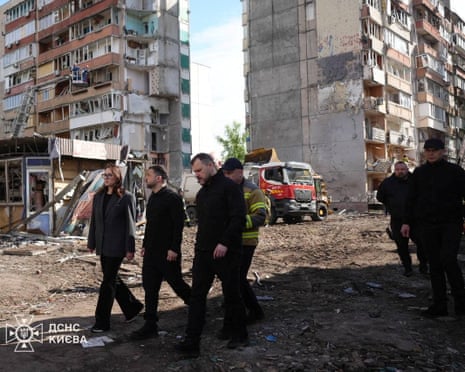
The death toll in Kyiv from this particular attack stands among the deadliest single incidents reported during the war, signifying a significant uptick in the intensity of Russian military operations. The inclusion of children among the casualties has particularly resonated with international observers and has intensified calls for intervention and support for Ukraine's defense efforts. The loss of young lives in the attack underscores the indiscriminate nature of the strikes and raises serious questions about compliance with international laws of armed conflict.
Emergency response teams continued their operations throughout the day following the attack, searching through collapsed buildings and debris for any remaining survivors. The search and rescue efforts revealed the extensive damage inflicted by the strikes, with multiple locations across Kyiv affected by the bombardment. Medical facilities in the city were overwhelmed with casualties, requiring emergency medical personnel to work around the clock to treat the wounded and provide emergency care to those affected by the attacks.
The attack has reignited international debate about the need for stronger military support for Ukraine, including advanced air defense systems and offensive capabilities to strike Russian military targets. NATO members and other Western allies have faced renewed pressure to accelerate the delivery of military aid and to consider additional measures to support Ukraine's war effort. The Russian strikes on civilians in Kyiv have served as a catalyst for increased international engagement and discussions about the future trajectory of the conflict.
The humanitarian dimension of the conflict has become increasingly apparent with each major attack on civilian areas. International humanitarian organizations have documented the growing displacement of populations, the destruction of civilian infrastructure, and the mounting toll of casualties among non-combatants. The attacks on Ukrainian civilians have prompted increased humanitarian assistance from various countries and international organizations, though many argue that more needs to be done to support those affected by the ongoing military operations.
As night fell and search and rescue operations continued, the full extent of the damage and the final death toll remained subject to further confirmation. The preliminary reports of at least 24 deaths, including three children, are expected to be updated as rescue teams complete their operations and recover additional bodies from the rubble. The incident serves as a sobering reminder of the ongoing humanitarian crisis in Ukraine and the urgent need for diplomatic efforts aimed at bringing the conflict to an end and preventing further loss of civilian life.
Source: The Guardian

