
Russian Superyacht Navigates Hormuz Strait Amid Blockade

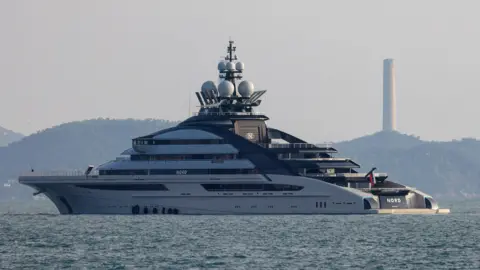
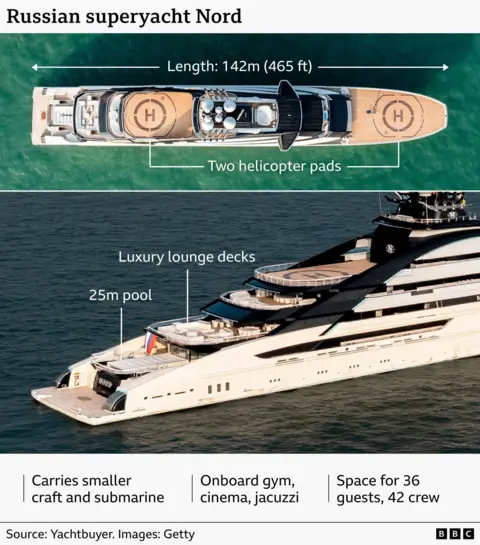
A 141-meter Russian superyacht linked to Putin's inner circle successfully transited the Strait of Hormuz despite ongoing international blockade efforts.
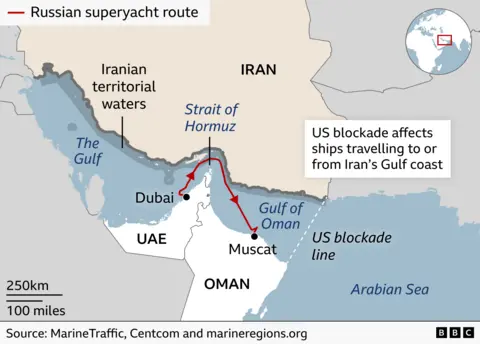
A massive Russian superyacht measuring 141 meters in length has successfully navigated through one of the world's most strategically important waterways, the Strait of Hormuz, despite international efforts to enforce a blockade against Russian vessels. The passage of the vessel marks another significant moment in the ongoing tensions surrounding Russian maritime assets and the enforcement of international sanctions against Moscow's oligarchs and their associates.
The superyacht, which has been linked to a prominent figure within Russian President Vladimir Putin's inner circle, managed to transit the waterway without apparent obstruction. This passage underscores the considerable challenges faced by international authorities attempting to restrict the movement of high-value Russian assets, particularly those connected to the Kremlin's most influential power brokers. The Strait of Hormuz blockade has been a focal point for international efforts to pressure the Russian government through economic measures.
The Strait of Hormuz represents one of the most critical chokepoints for global maritime commerce, with approximately one-third of all seaborne traded petroleum passing through its narrow waters annually. The strategic importance of this waterway cannot be overstated, as it serves as the gateway between the Persian Gulf and the Gulf of Oman, connecting Middle Eastern oil producers to markets worldwide. The successful passage of a Russian vessel through this strategically vital corridor demonstrates the complexities involved in coordinating international maritime enforcement actions.
International sanctions targeting Russian oligarchs have become increasingly sophisticated since geopolitical tensions escalated in recent years. Western nations have sought to restrict the movement and use of luxury assets owned by wealthy Russian individuals closely associated with the Kremlin. Superyachts, in particular, have become symbolic targets for sanctions enforcement, as they represent the accumulation of vast wealth by figures in Putin's orbit and serve as highly visible symbols of potential sanctions violations.
The vessel's identification and ownership structure have been subjects of considerable scrutiny from international maritime authorities and sanctions enforcement agencies. Determining true ownership of vessels operating under complex corporate structures and flag arrangements has proven to be a persistent challenge in effectively enforcing maritime sanctions. Shell companies, bearer shares, and international corporate registries have made it increasingly difficult for authorities to track and restrict the movement of high-value assets connected to Russian interests.
Previous incidents involving Russian superyachts attempting to evade international sanctions have drawn significant media attention and diplomatic responses. Some vessels have been seized or detained in ports around the world, while others have successfully navigated international waters by employing various evasion tactics and maritime strategies. The continued movement of Russian-linked vessels raises questions about the effectiveness of current enforcement mechanisms and the coordination between nations responsible for monitoring maritime traffic.

The geopolitical implications of this passage extend beyond the immediate incident. The successful transit of the Strait of Hormuz by a Russian vessel underscores the broader challenges facing international coalitions attempting to enforce comprehensive sanctions regimes. Coordination between multiple nations, each with distinct economic and political interests, remains complicated despite shared concerns about Russian activities and the need to enforce international law.
Middle Eastern nations, particularly those bordering the Strait of Hormuz, maintain complex relationships with both Russia and Western powers. These regional dynamics influence how strictly maritime blockades and sanctions are enforced at critical chokepoints. Some nations may be more sympathetic to Russian interests, while others may face economic incentives to allow international commerce to flow freely through their waters, creating enforcement challenges for broader sanctions coalitions.
The incident raises important questions about the sustainability and effectiveness of using maritime restrictions as a tool for international pressure. As sophisticated vessel operators develop new techniques to disguise ownership, alter vessel identification, and navigate through legal gray areas, authorities must continually adapt their enforcement strategies. The cat-and-mouse game between sanctions enforcers and those seeking to circumvent restrictions continues to evolve in response to new technologies and international legal frameworks.
Insurance and financial restrictions have emerged as powerful tools alongside maritime enforcement in the broader sanctions regime targeting Russian assets. Many international shipping companies and insurance providers have voluntarily restricted their engagement with Russian vessels to avoid secondary sanctions or reputational damage. These market-based restrictions often prove more effective than direct government enforcement, as they raise the costs and complications of operating Russian-linked vessels internationally.
The successful passage of this superyacht through the Strait of Hormuz will likely prompt renewed discussions among Western allies about strengthening enforcement mechanisms and closing loopholes in existing sanctions frameworks. Intelligence agencies and maritime authorities will continue analyzing how the vessel navigated the waterway and what measures might be necessary to prevent similar incidents. The incident serves as a reminder that maintaining comprehensive sanctions regimes requires constant vigilance, international cooperation, and adaptive enforcement strategies in response to evolving evasion tactics.
As the geopolitical situation continues to develop, the movement of Russian-linked assets through international waters will remain a closely monitored indicator of sanctions effectiveness and international coordination. This particular incident demonstrates both the determination of those connected to Russian power structures to preserve their assets and the ongoing challenges faced by the international community in enforcing restrictions through maritime channels. The broader implications extend to questions about how effectively economic pressure can be sustained over time and whether maritime sanctions alone can achieve their intended strategic objectives.
Moving forward, maritime authorities and sanctions enforcement agencies will likely implement additional technological solutions, information-sharing protocols, and international agreements to better track and restrict the movement of sanctioned vessels. The challenge of preventing sanctions evasion through maritime channels remains a priority for Western governments and international organizations committed to enforcing restrictions on Russian assets. Whether through enhanced surveillance, stricter port controls, or financial system restrictions, the international community continues seeking more effective methods to ensure compliance with sanctions regimes targeting Russian interests.
Source: BBC News


