
Saint Francis Skeleton Displayed Publicly for First Time

The remains of Saint Francis of Assisi go on public display in Italy for the first time ever, expected to draw hundreds of thousands of pilgrims and visitors.
In an unprecedented religious and historical event, the Saint Francis of Assisi skeleton has been placed on full public display for the very first time, marking a momentous occasion for the Catholic Church and pilgrims worldwide. The exhibition, which commenced on Sunday, is anticipated to attract hundreds of thousands of visitors to the picturesque Italian hillside town that bears the saint's name. This extraordinary presentation represents a significant departure from centuries of tradition, where the saint's remains have been carefully preserved away from public view.
The sacred remains are housed within a specially designed nitrogen-filled plexiglass case, featuring the solemn Latin inscription "Corpus Sancti Francisci" - meaning "the body of Saint Francis." This state-of-the-art preservation system ensures optimal conservation conditions while allowing unprecedented public access to one of Christianity's most revered figures. The Basilica of Saint Francis of Assisi serves as the magnificent backdrop for this historic display, providing a fitting spiritual atmosphere for the thousands of pilgrims expected to make the journey.
Saint Francis, the beloved 13th-century mystic who founded the Franciscan order, died in 1226 and was canonized just two years later in 1228. His revolutionary approach to Christianity, emphasizing poverty, nature worship, and service to the poor, fundamentally transformed medieval religious practice. The saint's remains have been interred in the basilica's crypt since the 13th century, but this marks the first occasion they have been made accessible to the general public in such a comprehensive manner.
The decision to display the saint's remains publicly comes after extensive deliberation by Vatican officials and local religious authorities. Church historians note that this unprecedented move reflects a broader trend toward making sacred relics more accessible to the faithful, while simultaneously addressing the growing interest in religious tourism and pilgrimage experiences. The month-long exhibition has been carefully planned to accommodate the massive influx of visitors expected from around the globe.
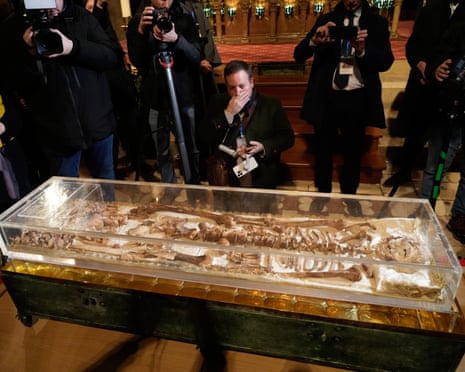
Preparations for this historic event have been underway for months, with local authorities coordinating extensive security measures and crowd management protocols. The Italian hillside town of Assisi has been transformed to accommodate the anticipated surge in religious tourism, with additional parking facilities, enhanced public transportation, and expanded accommodation options for the hundreds of thousands of expected visitors. Local businesses and religious organizations have collaborated to ensure a seamless experience for pilgrims making this once-in-a-lifetime journey.
The specially constructed display case represents the pinnacle of modern preservation technology, utilizing advanced nitrogen atmosphere controls to maintain optimal conditions for the ancient remains. Conservation experts have worked tirelessly to ensure that the public exhibition does not compromise the integrity of the relics, employing cutting-edge techniques developed specifically for this unprecedented presentation. The transparent plexiglass construction allows visitors to view the complete skeleton while maintaining the sterile environment necessary for long-term preservation.
Religious scholars emphasize the profound spiritual significance of this public display, noting that Saint Francis himself advocated for accessibility and connection with ordinary people throughout his ministry. The saint's revolutionary approach to Christianity broke down barriers between the clergy and laity, making this public exhibition particularly appropriate to his legacy. Many believe that Francis would have approved of making his remains accessible to the faithful who seek spiritual inspiration and connection.
The 13th-century saint is remembered not only for his religious devotion but also for his innovative approach to environmental stewardship and social justice. His famous "Canticle of the Sun" established him as one of history's earliest environmental advocates, while his work with lepers and the poor demonstrated his commitment to serving society's most vulnerable members. These aspects of his legacy continue to resonate with contemporary visitors who seek both spiritual and social inspiration.

Vatican officials have expressed their support for the exhibition, viewing it as an opportunity to strengthen faith and provide pilgrims with a tangible connection to one of Catholicism's most beloved figures. Cardinal representatives have emphasized that the display serves educational and spiritual purposes, allowing visitors to contemplate the physical reality of sainthood while reflecting on Francis's extraordinary spiritual journey. The Church sees this as a unique evangelization opportunity in an increasingly secular world.
The timing of this public display coincides with renewed global interest in Saint Francis's environmental message, particularly as climate change concerns intensify worldwide. Many contemporary pilgrims are drawn not only to his spiritual teachings but also to his prescient understanding of humanity's relationship with the natural world. This convergence of historical reverence and contemporary relevance has contributed to the exceptional anticipated attendance figures.
Local religious authorities have implemented comprehensive visitor protocols to ensure respectful and orderly viewing of the sacred remains. Specially trained guides provide historical context and spiritual reflection opportunities, while maintaining the solemn atmosphere appropriate for such a significant religious experience. The month-long duration allows for manageable crowd flow while accommodating the maximum number of pilgrims possible.
The economic impact on the Assisi region is expected to be substantial, with hotels, restaurants, and local businesses preparing for unprecedented visitor numbers. However, local officials emphasize that the primary focus remains on the spiritual and historical significance of the event, rather than commercial considerations. The exhibition represents a careful balance between accessibility and reverence, honoring both the saint's legacy and the needs of contemporary faithful.
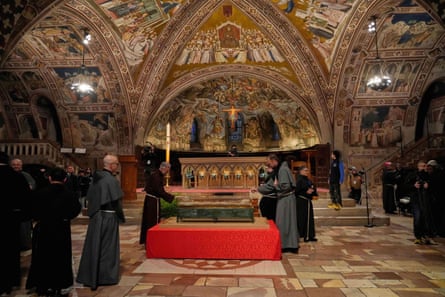
As the exhibition continues throughout the month, religious historians anticipate that this unprecedented access to Saint Francis's remains will generate significant scholarly interest and spiritual renewal among visitors. The Basilica of Saint Francis of Assisi stands ready to welcome pilgrims from every corner of the globe, offering them an extraordinary opportunity to connect with one of history's most transformative religious figures through this remarkable and historic public display.
Source: The Guardian


