
Salisbury Cathedral's Stained Glass Masterpiece Restored

Salisbury Cathedral completes restoration of iconic Edward Burne-Jones and William Morris stained-glass window after two-year project.
One of England's most significant ecclesiastical treasures has been painstakingly restored to its former glory. Salisbury Cathedral has successfully completed an ambitious two-year restoration project focused on a remarkable stained-glass window created by legendary artists Edward Burne-Jones and William Morris. The project, which has been hailed as a tremendous achievement by cathedral officials, represents a monumental undertaking in the preservation of Victorian-era artistic heritage.
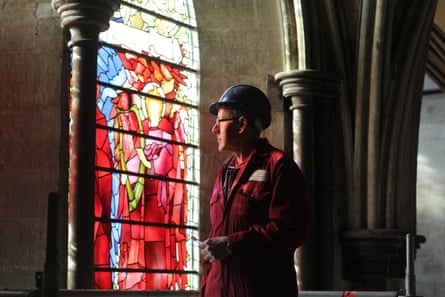
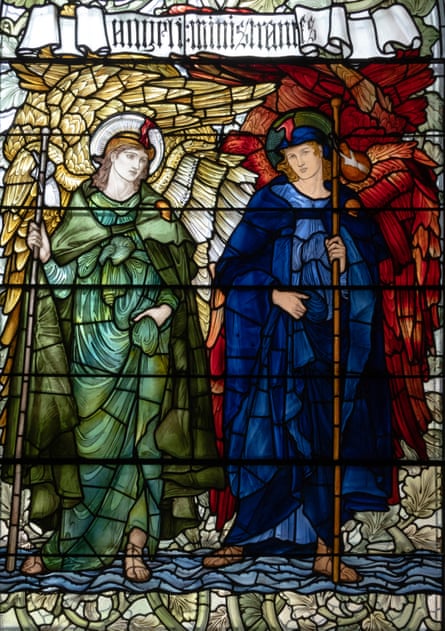
The Angels window, as it is affectionately known, stands as a testament to the exceptional craftsmanship and artistic vision of the Pre-Raphaelite movement. Sam Kelly, the head glazier who oversaw the meticulous restoration work, has described the emotional and professional challenges faced during the conservation process. The responsibility of handling such a culturally significant piece weighed heavily on Kelly's shoulders throughout the duration of the project, creating moments of genuine anxiety about the delicate nature of the work.
"It would be wrong to say I didn't lie awake sometimes," Kelly confessed in remarks about the intensity of the restoration effort. "You are working on something that is very precious and if it fell on the floor, it would be very bad." This candid admission reveals the extraordinary pressure and responsibility that comes with restoring irreplaceable cultural artifacts that have survived for more than a century. The weight of preservation history rested squarely on the shoulders of the skilled restoration team throughout the two-year endeavor.

The restoration project has generated considerable excitement within both the cathedral community and the wider art conservation world. Church officials, including the Dean, have emphasized the profound significance of completing this stained-glass restoration in terms of both cultural preservation and spiritual renewal. The Dean remarked that the successful completion of this ambitious project will "lift spirits and rekindle hope" among the cathedral's congregation and visitors who encounter this magnificent artistic work.
The collaboration between Edward Burne-Jones and William Morris represented a pinnacle of artistic achievement in the Victorian era. Both artists were central figures in the Arts and Crafts movement, which championed exceptional craftsmanship and artistic integrity as counterpoints to industrial mass production. The Angels window embodies these principles through its intricate design, luminous colors, and meticulous execution, making it a precious example of their combined creative genius.
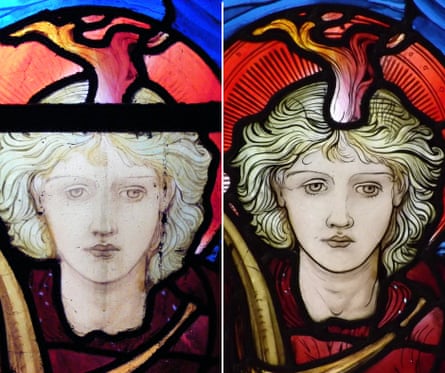
Stained-glass conservation requires specialized knowledge and technical expertise that spans centuries of traditional craftsmanship combined with modern conservation techniques. The restoration team had to carefully assess the condition of each individual glass piece, evaluate structural integrity, clean accumulated grime and deterioration, and make necessary repairs without compromising the original artistic intent. Such work demands an exceptional understanding of historical glass composition, traditional leading techniques, and the specific artistic style of the Pre-Raphaelite period.
The two-year timeline for this comprehensive restoration reflects the extraordinary complexity and painstaking nature of conservation work on historical stained glass. Each stage of the process required careful planning, meticulous execution, and constant vigilance to ensure that no damage occurred to the fragile materials. The restoration team employed cutting-edge diagnostic technologies alongside traditional conservation methods to achieve optimal results while respecting the historical authenticity of the original creation.
Salisbury Cathedral itself has served as a repository for exceptional works of art and craftsmanship for centuries. The decision to undertake this major restoration project demonstrates the institution's commitment to preserving its cultural heritage for future generations. The cathedral remains one of England's most significant religious and architectural landmarks, and its collection of stained-glass windows represents invaluable artistic and historical documentation of changing styles and techniques across multiple centuries.
The completion of the Angels window restoration carries particular significance in the contemporary cultural landscape. As communities worldwide grapple with questions about preservation, heritage, and the value of historical artifacts, projects like this demonstrate the ongoing relevance and meaning found in carefully maintained cultural treasures. The successful conclusion of this Salisbury Cathedral project provides inspiration and technical knowledge that can inform future conservation efforts across other institutions and collections.
The role of specialized craftspeople like Sam Kelly cannot be overstated in the broader context of heritage conservation. These individuals possess years of training and accumulated expertise that enables them to make critical decisions about restoration approaches and techniques. Their dedication to excellence and their willingness to accept the emotional burden of working with irreplaceable artifacts ensures that significant cultural works continue to exist and resonate with audiences in the present and future.
Cathedral officials have indicated that visitors will now be able to experience the Angels window in its restored magnificence, allowing contemporary audiences to appreciate the full artistic achievement of Burne-Jones and Morris. The renewed vibrancy of the colors, the clarity of the detailed figurative work, and the overall spiritual impact of the window should provide visitors with an enhanced appreciation of Victorian-era artistic excellence. This accessibility to restored cultural treasures plays a vital role in maintaining public engagement with historical heritage.
The success of the Salisbury Cathedral stained-glass restoration project underscores the importance of institutional commitment to heritage preservation. Such endeavors require significant financial resources, specialized personnel, and long-term planning to execute successfully. The cathedral's decision to prioritize this restoration among its many needs reflects recognition that cultural preservation contributes meaningfully to community identity and spiritual wellbeing.
Looking forward, the completion of this major restoration project may inspire similar initiatives at other heritage institutions across the United Kingdom and beyond. The techniques employed, the challenges overcome, and the lessons learned throughout the Salisbury Cathedral project will contribute valuable insights to the broader conservation community. As climate change and ongoing environmental pressures threaten cultural artifacts worldwide, the expertise demonstrated in this project becomes increasingly precious and worth documenting.
The Angels window stands as a powerful reminder of the enduring appeal of exceptional artistry and skilled craftsmanship. Edward Burne-Jones and William Morris created works that continue to captivate and inspire audiences more than a century after their creation, demonstrating the timeless nature of genuine artistic achievement. The successful restoration of this masterpiece ensures that their legacy will continue enriching the spiritual and cultural life of Salisbury Cathedral for generations to come.
Source: The Guardian


