
Sally Rooney Celebrates Palestine Action Court Victory

Irish author Sally Rooney praises high court ruling against Palestine Action ban, calling it a major win for UK civil liberties and freedom of expression.
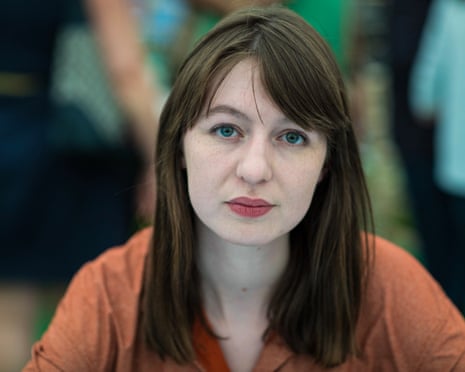
In an exclusive statement following last week's landmark high court ruling, acclaimed Irish novelist Sally Rooney has expressed profound relief and celebration over the judicial decision that declared the UK government's ban on Palestine Action unlawful under anti-terrorism legislation. The author, whose internationally bestselling novels have made her one of the most prominent literary voices of her generation, described the court's verdict as a crucial victory for civil liberties across Britain and a powerful rebuke to what she characterized as governmental overreach.
Rooney's response comes in the wake of a devastating legal blow to government ministers, who faced a humiliating defeat when three senior high court judges unanimously ruled that the proscription of Palestine Action was both disproportionate and fundamentally unlawful. The direct action organization, which has gained international attention for its targeted campaigns against companies and institutions it alleges are complicit in supplying weapons and support to Israel, had been designated as a banned organization under the UK's stringent counter-terrorism framework.
The celebrated author, whose works including 'Normal People' and 'Conversations with Friends' have garnered critical acclaim worldwide, revealed that she had harbored serious concerns about potential repercussions for her own literary career in the UK market. Rooney disclosed fears that her books might face withdrawal from British retailers and distribution networks as a result of the ban, highlighting the far-reaching implications of the government's controversial decision to classify the activist group under anti-terrorism laws.
Speaking candidly about the personal impact of the proscription, Rooney characterized the government's action as an 'extreme assault' on fundamental rights and freedoms that form the bedrock of democratic society. Her concerns were not unfounded, as the legal framework surrounding terrorism-related bans can have sweeping consequences for individuals and organizations deemed to have connections, however tangential, to proscribed groups.
The high court's decision represents a significant judicial pushback against the government's increasingly expansive interpretation of anti-terrorism legislation, particularly in cases involving political activism and protest movements. The three senior judges who presided over the case conducted a thorough examination of the evidence presented by government ministers to justify the ban, ultimately concluding that the designation failed to meet the legal threshold required for such drastic measures.
Palestine Action, founded in 2020, has conducted numerous high-profile direct action campaigns targeting facilities, offices, and operations of companies it alleges are involved in manufacturing or supplying military equipment to Israeli forces. The group's tactics have included occupations, property damage, and disruptive protests at locations across the UK, leading to numerous arrests and prosecutions of its members and supporters.
The organization's activities have consistently focused on what it describes as the 'complicity' of British businesses and institutions in what it characterizes as violations of international law in Palestine. These campaigns have targeted major defense contractors, university research facilities with alleged military connections, and financial institutions with investments in companies supplying equipment to Israeli military forces.
For Rooney, whose public statements on Palestinian rights have previously attracted both support and criticism, the court ruling represents vindication of her belief that legitimate political expression and solidarity activities should not be subject to terrorism-related restrictions. The author has been an outspoken advocate for Palestinian rights and has previously faced controversy over her decision to decline translation of her work into Hebrew by Israeli publishers.
The legal challenge to the Palestine Action ban was mounted by civil liberties organizations and legal advocates who argued that the government had failed to demonstrate that the group's activities met the statutory criteria for proscription under the Terrorism Act. The civil liberties implications of the case extended far beyond the specific organization, with legal experts warning that an overly broad interpretation of terrorism laws could have chilling effects on legitimate political activism and protest.
During the court proceedings, government lawyers struggled to present compelling evidence that Palestine Action's direct action campaigns constituted terrorism or posed a genuine threat to public safety sufficient to warrant proscription. The judges' ruling emphasized that while the group's tactics might be disruptive or involve property damage, these actions did not meet the legal definition of terrorism or justify the severe restrictions associated with banning an organization entirely.
The decision has broader implications for the boundaries of acceptable political protest in the UK and the government's use of counter-terrorism powers to address domestic activism. Legal scholars and civil rights advocates have noted that the ruling establishes important precedents for protecting the rights of activist organizations to operate within the bounds of legitimate political expression, even when their methods may be controversial or disruptive.
Rooney's celebration of the verdict reflects concerns shared by many writers, artists, and cultural figures about the potential for anti-terrorism legislation to be weaponized against political dissent and solidarity movements. The author's fears about potential consequences for her publishing career illustrate how broadly such bans can impact individuals and organizations beyond their immediate targets.
The government's decision to pursue proscription of Palestine Action had been controversial from its inception, with critics arguing that it represented an attempt to criminalize legitimate political protest and solidarity activism. Supporters of the ban had argued that the group's tactics, including property damage and facility occupations, crossed the line from acceptable protest into criminal activity that posed broader threats to public order and safety.
However, the high court's comprehensive rejection of the government's case suggests that ministers failed to build a convincing legal foundation for their decision. The judges' ruling that the proscription was 'disproportionate' indicates that even if some of Palestine Action's activities might be considered problematic, the extreme measure of banning the organization entirely was not justified by the evidence presented.
The victory has energized supporters of Palestinian rights and civil liberties advocates who viewed the attempted ban as part of a broader pattern of governmental attempts to suppress criticism of Israeli policies and actions. For these groups, the court ruling represents not just a legal victory but a reaffirmation of the principle that political solidarity and activism remain protected forms of expression in British democracy.
Rooney's public endorsement of the ruling adds significant cultural weight to the legal victory, given her status as one of the most prominent contemporary literary voices. Her willingness to speak out on the issue, despite potential commercial risks, demonstrates the broader cultural and intellectual community's investment in protecting spaces for political dissent and international solidarity.
The implications of the court decision extend beyond immediate questions of civil liberties to broader debates about Britain's role in international conflicts and the rights of citizens to express solidarity with affected populations. The ruling suggests that UK courts remain willing to check governmental power when ministers overstep legal boundaries in their efforts to control political activism.
As the government considers its options following this significant legal setback, questions remain about whether ministers will appeal the decision or modify their approach to regulating activist organizations. The comprehensive nature of the judicial criticism suggests that any appeal would face substantial legal obstacles, potentially leading to further embarrassing defeats for the government's position.
For Sally Rooney and other cultural figures who expressed concerns about the ban's implications, the court victory provides reassurance that British legal institutions retain the independence and authority to protect fundamental rights against governmental overreach. The decision reinforces the principle that political activism, even when controversial or disruptive, deserves protection under the law unless it genuinely crosses into terrorism or poses serious threats to public safety.
Source: The Guardian


