
Salmon Farm Cruelty Claims Emerge Amid Fish Farming Expansion

New undercover footage reveals alleged animal abuse at major salmon hatchery as Trump administration pushes industrial-scale fish farming expansion in the US.
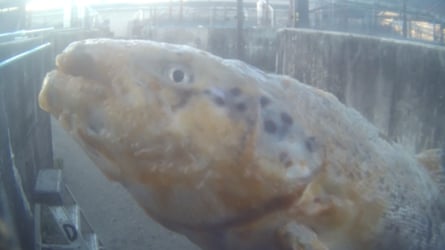
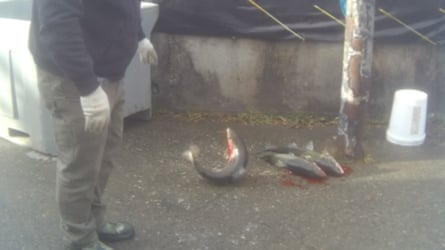
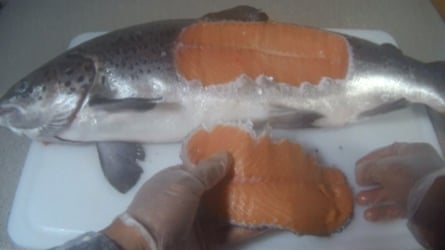
A troubling undercover investigation has surfaced fresh allegations of animal cruelty at one of America's most prominent salmon farming operations, casting a spotlight on the darker side of the seafood industry's rapid expansion. The video evidence, obtained through covert means, purports to document mistreatment of salmon at a Cooke hatchery facility, raising serious questions about welfare standards across the sector. These revelations arrive at a particularly significant moment, as the Trump administration actively pursues an aggressive agenda to dramatically scale up domestic fish farming operations across the nation.
The administration's vision centers on what industry experts have termed the "chickenification" of fish—a strategy aimed at transforming aquaculture into a high-volume, industrial-scale operation comparable to modern poultry production. Proponents argue that such expansion could substantially increase America's self-sufficiency in seafood production, reducing dependence on imports and strengthening domestic food security. The push represents a fundamental shift in how the country approaches protein sourcing, with fish farming positioned as a key component of future agricultural strategy.
However, this ambitious expansion plan faces mounting resistance from environmental advocates and animal welfare organizations who warn that prioritizing rapid growth may come at an unacceptable cost. The emerging evidence from undercover operations suggests that current farming practices, even at major commercial facilities, may already be falling short of acceptable animal welfare standards. These concerns extend beyond simple ethical considerations; they touch on broader questions about environmental sustainability, ecosystem impact, and the long-term viability of intensive aquaculture operations.

The salmon farming industry has long been a point of contention between commercial interests and environmental activists. Traditional salmon farms, which confine thousands of fish in crowded underwater enclosures, have been criticized for creating ideal conditions for disease spread, parasitic infections, and behavioral stress among captive populations. The practice of farming salmon in open-net pens, still widely used across North America, poses particular risks of genetic contamination if escaped fish interbreed with wild populations. Additionally, feed runoff from these facilities can contribute to water quality degradation in surrounding marine ecosystems.
The undercover footage at the Cooke facility appears to document several concerning practices that fall outside recognized animal welfare guidelines. Sources familiar with the investigation report witnessing handling procedures that seemed unnecessarily rough, inadequate water quality monitoring, and insufficient separation of healthy fish from those showing signs of disease or distress. Such conditions can exacerbate stress-related mortality rates and compromise the immune systems of farmed populations, making them more susceptible to outbreaks of diseases like sea lice infestations and infectious salmon anemia.
Cooke Aquaculture, the parent company operating the affected hatchery, is among the world's largest aquaculture producers, with operations spanning multiple continents and processing millions of fish annually. The company has previously faced criticism from environmental groups and indigenous communities, particularly regarding operations in British Columbia and Nova Scotia. Previous controversies have included fish escape incidents, disease transmission to wild populations, and conflicts with local stakeholders over environmental management practices.
The Trump administration's push for expanded fish farming expansion reflects broader policy priorities focused on deregulation and economic growth in agricultural sectors. Administration officials have emphasized the potential job creation and economic benefits associated with scaling up domestic aquaculture operations. They point to successful large-scale fish farming operations in countries like Norway and Chile as models for what American production could achieve, arguing that regulatory barriers in the US have unnecessarily hindered development of this sector compared to international competitors.
Environmental organizations counter that these international models often come with significant ecological consequences that America would be wise to avoid rather than replicate. Studies from established fish farming regions have documented impacts including nutrient pollution, antimicrobial resistance spread through the environment, and genetic alteration of wild fish populations through escapee events. The cumulative effect of expanding industrial aquaculture without robust environmental safeguards could, critics argue, ultimately undermine the very fisheries and ecosystems that support wild-caught seafood production and marine biodiversity.
Animal welfare concerns at fish farms extend beyond visible mistreatment documented in undercover investigations. The psychological and physiological impacts of intensive confinement on salmon—a highly migratory species evolved to swim hundreds of miles across ocean currents—remain poorly understood despite growing scientific evidence of stress indicators in captive populations. Fish farming operations often employ slaughter methods that animal welfare advocates contend fail to reliably ensure humane death, particularly when processing high volumes at industrial speeds designed to maximize efficiency and profitability.
The timing of these cruelty allegations creates a challenging dynamic for the administration's expansion agenda. Policymakers will face pressure to address welfare concerns while maintaining momentum for their pro-growth agenda, potentially leading to new regulatory frameworks or voluntary industry standards. Some industry observers suggest that improved animal welfare practices could actually benefit commercial operators by reducing disease-related mortality rates and improving overall fish health metrics, potentially offsetting the costs of enhanced care standards.
Consumer preferences and market dynamics are gradually shifting to reflect growing awareness of sustainable seafood practices and animal welfare considerations. Major retailers increasingly face consumer demand for transparency regarding sourcing and farming methods, with some implementing more rigorous standards for suppliers. This market pressure may ultimately prove more effective at driving improvements than regulatory mandates, as companies seek to differentiate products and appeal to ethically-conscious consumers willing to pay premium prices for responsibly-farmed salmon.
The path forward for American fish farming development will likely involve negotiations between multiple stakeholders with competing priorities and values. Environmental agencies, industry representatives, animal welfare advocates, indigenous communities with territorial and resource rights, and fishing industry representatives all have significant interests in how this sector develops. Balancing economic growth objectives with environmental protection and animal welfare standards represents a fundamental challenge that requires thoughtful policymaking rather than rapid deregulation.
The emerging evidence from undercover investigations serves as an important reminder that industrial-scale food production requires vigilant oversight and accountability mechanisms. As the Trump administration advances its aquaculture expansion plans, the documented instances of animal mistreatment should factor prominently into policy decisions and regulatory frameworks. Ultimately, sustainable growth in fish farming capacity must be built upon foundations of genuine animal welfare protections, environmental stewardship, and transparent practices that can withstand public scrutiny and scientific review.
Source: The Guardian


