
Samsung Faces Historic Smartphone Loss Risk Amid AI Chip Crunch

Samsung executives warn of potential first-ever smartphone loss in 2026 as AI-driven demand for memory chips skyrockets. DRAM and NAND shortages threaten profitability.
The smartphone market has undergone a dramatic transformation over the past decade. What was once a booming sector characterized by rapid innovation and insatiable consumer demand has evolved into a mature, competitive landscape where profit margins face unprecedented pressure. The days when every new device released was significantly better than its predecessor and consumers eagerly lined up for upgrades are largely behind us. Today's smartphone market is characterized by longer replacement cycles, increased competition from numerous manufacturers, and a race for technological differentiation that requires ever-larger investments in research and development.
Many smartphone manufacturers have already exited the market entirely, unable to sustain profitability in this challenging environment. This consolidation has left only the largest and most financially robust companies—including Samsung, Apple, and a handful of others—competing for market share. However, even these tech giants are beginning to feel the strain. According to reports from Money Today, Samsung's Mobile Experience (MX) division head TM Roh has issued a sobering warning to company leadership: Samsung could be facing its first-ever net loss on smartphone operations as early as 2026, a prospect that would represent a historic moment for the South Korean technology conglomerate.
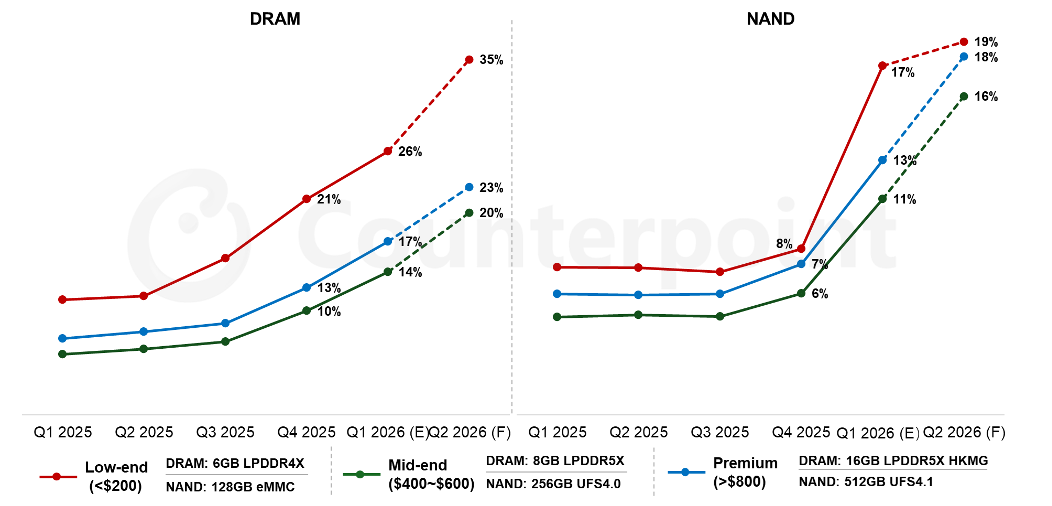
The potential profitability crisis stems from an unexpected source: the rapidly escalating cost of critical memory components. DRAM and NAND flash memory prices have skyrocketed dramatically, driven by soaring demand from the artificial intelligence industry. This unprecedented situation threatens to undermine the financial viability of smartphone production, an industry that Samsung has dominated and profited from for years. Even during periods of significant economic downturn and supply chain disruptions caused by the global pandemic, Samsung managed to maintain profitable smartphone operations. Yet the current trajectory suggests that even these resilient operations may not survive the current component cost spiral.
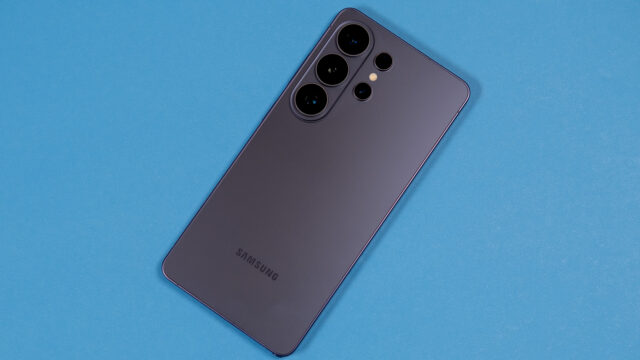
The shortage of critical memory components has created a ripple effect across the entire computing industry. The problem extends far beyond smartphones, affecting manufacturers of consumer laptops, enterprise servers, data center equipment, and countless other devices that depend on high-performance memory. LPDDR5x memory, the specialized type of memory used in most modern mobile devices, has become increasingly precious as the artificial intelligence industry competes aggressively for limited supplies. These memory chips are essential not only for smartphone performance but also for powering on-device AI capabilities that consumers increasingly expect from their devices.
The AI industry's hunger for memory components has reached extraordinary proportions. Nvidia's upcoming Vera AI processor, which is scheduled to replace the Grace processor architecture later in 2026, represents the scale of this demand. The Vera architecture will incorporate up to 1.5 terabytes of LPDDR5x memory, an enormous amount that illustrates how memory-intensive modern AI systems have become. This massive allocation of memory resources for AI applications directly competes with the memory supplies available for consumer electronics manufacturers like Samsung, driving prices upward across the entire market.
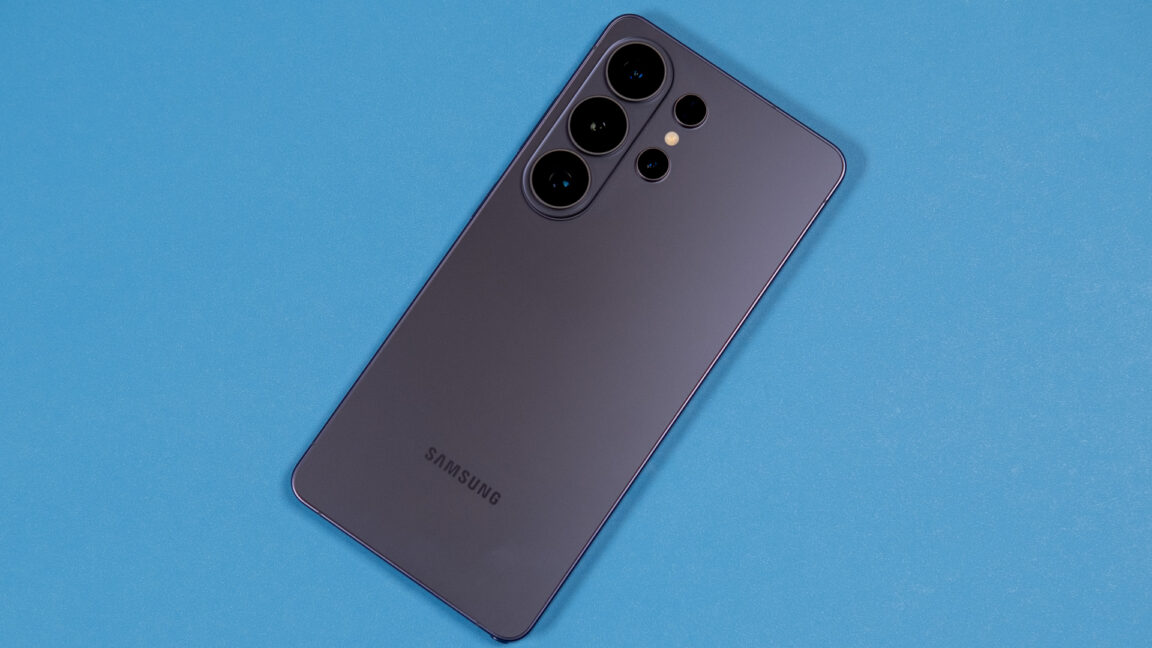
Despite these mounting challenges, Samsung has maintained strong sales performance with its latest flagship devices. The Galaxy S26 Ultra, Samsung's premium smartphone offering for 2026, has performed well commercially, demonstrating that consumer demand for high-end mobile devices remains solid. However, strong sales volume alone cannot offset the dramatic increases in component costs, particularly when the cost of memory represents a substantial portion of a smartphone's total bill of materials. This represents a classic situation where revenue growth cannot keep pace with cost inflation, squeezing profit margins to potentially unsustainable levels.
The situation highlights a fundamental challenge facing the smartphone industry in the age of artificial intelligence. As AI capabilities become increasingly central to device differentiation and consumer expectations, the demand for specialized memory components will likely continue to intensify. Manufacturers must now compete not only with each other for consumers but also with the broader AI industry for access to limited supplies of critical components. This competition occurs in a market where manufacturing capacity for advanced memory components cannot be rapidly expanded, creating supply constraints that could persist for months or even years.
Samsung's potential loss would be particularly significant given the company's long history of profitability in the mobile sector. The company has successfully navigated multiple industry disruptions, economic crises, and competitive challenges while maintaining profitable smartphone operations. A loss in this division would represent not merely a financial setback but a symbolic moment—an acknowledgment that even market leaders cannot guarantee profitability when facing unprecedented cost pressures. This potential outcome serves as a cautionary tale for the entire technology industry about the unintended consequences of rapid technological shifts and the concentration of critical resources among a limited number of suppliers.
Looking forward, Samsung and other smartphone manufacturers face difficult strategic decisions. They must determine whether to absorb increased component costs and sacrifice profitability, attempt to pass costs along to consumers through higher prices at the risk of reduced demand, or find alternative ways to reduce manufacturing expenses and improve operational efficiency. None of these options are particularly attractive, and each carries significant risks. The smartphone market, which has been among the most profitable segments of the technology industry for the past fifteen years, may be entering a new era characterized by tighter margins and fiercer competition for both consumer market share and access to critical components.

The broader implications of Samsung's potential losses extend beyond the company itself. The situation underscores how interconnected modern technology markets have become and how demand from one sector—in this case, artificial intelligence—can dramatically impact supply chains and profitability across other industries. As the AI industry continues to grow and mature, these types of resource conflicts may become increasingly common. Companies across the technology sector will need to develop new strategies for securing access to critical components and managing costs in an environment where demand far exceeds available supply, fundamentally reshaping how the industry operates and how profits are distributed among different segments of the technology market.
Source: Ars Technica


