
Samsung Galaxy Watch Predicts Fainting Events

Samsung's latest Galaxy Watch feature uses advanced sensors to predict fainting episodes with high accuracy, allowing users to take preventive action.
Samsung has unveiled an innovative health monitoring capability for its Galaxy Watch that aims to detect the early warning signs of fainting episodes before they occur. This groundbreaking feature represents a significant advancement in wearable health technology, potentially offering users critical seconds or minutes to position themselves safely or seek immediate assistance when a fainting event is imminent.
The fainting prediction technology leverages the Galaxy Watch's sophisticated sensor array and proprietary algorithms to identify physiological patterns that typically precede syncope, the medical term for temporary loss of consciousness. By continuously monitoring key vital signs and body metrics, the device can recognize the distinctive biomarker combinations that indicate an impending fainting spell with what Samsung claims is high accuracy.
When the watch detects these warning signs, it can alert the user through haptic vibrations, on-screen notifications, or audio cues, giving them precious moments to take preventive action. Users experiencing these alerts can sit down, lie down with legs elevated, or move to a safer location away from potential hazards like traffic or stairs. In critical situations, the feature could even prompt users to call for emergency assistance or notify their emergency contacts.
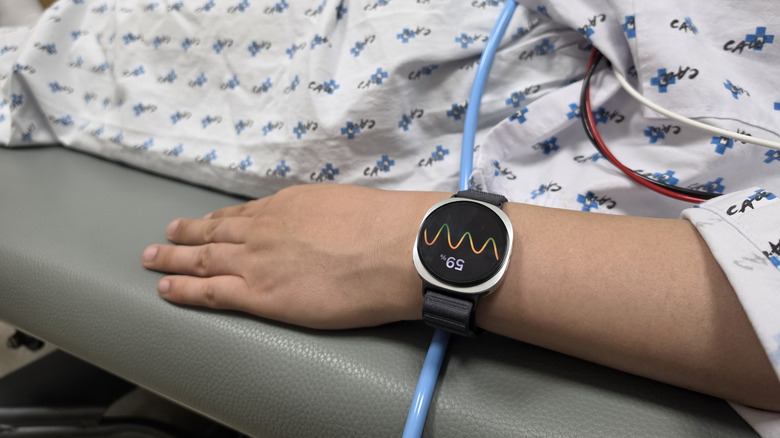
The development of this health prediction feature comes as wearable devices continue to expand their diagnostic and preventive capabilities beyond basic activity tracking. Modern smartwatches like the Galaxy Watch now incorporate an impressive array of biometric sensors including accelerometers, gyroscopes, heart rate monitors, ECG capabilities, and blood oxygen sensors. These sensors work in concert to build a comprehensive picture of the wearer's physiological state throughout the day.
Fainting, while often harmless, can result in serious injuries when users fall unexpectedly. Elderly individuals, those with cardiovascular conditions, and people prone to vasovagal syncope stand to benefit significantly from advanced warning systems that provide advance notice of impending episodes. Falls are a leading cause of unintentional injury-related deaths and hospitalizations, particularly among older adults, making predictive technology increasingly valuable.
Samsung's approach to developing this feature involved extensive research into the physiological patterns that precede fainting events. The company likely collected and analyzed data from thousands of users, identifying consistent markers that appear in the moments before consciousness is lost. This machine learning-driven approach allows the system to improve its accuracy over time as more data is collected and analyzed.
The practical applications of syncope detection technology extend beyond personal safety for individual users. Medical professionals and researchers could potentially utilize anonymized data from Galaxy Watch users to better understand fainting patterns and develop more effective preventive treatments. This represents a fascinating convergence of consumer wearable technology and medical research.
Competitors in the wearable market, including Apple Watch and various Fitbit models, have similarly invested in expanding their health monitoring capabilities. However, Samsung's specific focus on fainting prediction demonstrates the company's commitment to addressing less common but significant health concerns. The feature will likely be rolled out through software updates to existing Galaxy Watch models, making it accessible to Samsung's substantial installed user base.
Privacy and data security remain important considerations with any health monitoring feature. Samsung has emphasized that health data collected by the Galaxy Watch is encrypted and that users maintain control over how their information is used. The company's health data sharing policies will be crucial in building user trust for this sensitive health information.
The rollout of fainting prediction capability is expected to be announced at Samsung's upcoming product events or through regular software updates. Users interested in accessing this feature should ensure their Galaxy Watch is running the latest available firmware and that all necessary health permissions are granted within the device settings.
Medical professionals have expressed cautious optimism about the potential of predictive health features in consumer wearables. While these devices are not medical diagnostic instruments and should never replace professional medical care, they can serve as useful tools for monitoring health trends and identifying unusual patterns that might warrant consultation with healthcare providers.
Samsung's investment in health-focused features continues to position the Galaxy Watch as a comprehensive health and fitness companion rather than simply a smartwatch for notifications and activity tracking. As the wearable technology market matures, consumers increasingly expect their devices to provide meaningful health insights and potentially life-saving features like fainting prediction.
Looking forward, the success of this health monitoring innovation could influence how other manufacturers approach wearable health technology. If Samsung's fainting prediction feature proves reliable and user-friendly, we may see similar capabilities adopted across the industry. This competitive pressure drives continued innovation in how smartwatches can serve as personal health advocates, potentially preventing injuries and enabling users to take control of their health outcomes.
Source: Engadget


