
Samsung's Bespoke AI Update Transforms Smart Refrigerators

Samsung's latest Bespoke software upgrade brings practical AI capabilities to smart fridges. Discover how this update is reshaping home kitchen technology.
The concept of upgrading software on a kitchen refrigerator might seem peculiar to those unfamiliar with modern smart home technology, yet this represents a significant evolution in how we interact with our household appliances. Samsung's latest Bespoke update exemplifies this transformation, introducing artificial intelligence capabilities that extend far beyond traditional refrigeration functions. In an era where connected devices have become increasingly commonplace, the refrigerator has emerged as an unexpected frontier for technological innovation and integration.
Samsung has been at the forefront of the smart kitchen appliance revolution, continuously developing ways to make refrigerators more intuitive and responsive to user needs. The new Bespoke update represents a substantial step forward in this journey, incorporating AI-powered features designed to enhance everyday kitchen experiences. Rather than simply cooling food, modern smart refrigerators now analyze consumption patterns, suggest recipes, manage grocery lists, and provide personalized recommendations. This fundamental shift in appliance functionality demonstrates how traditional household devices are evolving into intelligent assistants that can genuinely improve daily life.
The practical applications of this refrigerator software upgrade are numerous and genuinely useful for contemporary households. Users can now benefit from intelligent inventory management systems that track food items, expiration dates, and nutritional information without requiring manual input. The AI component learns family preferences, dietary restrictions, and shopping habits, subsequently offering meal suggestions that align with available ingredients. Additionally, the system can coordinate with grocery delivery services and shopping platforms, streamlining the process of meal planning and household provisioning. These features address real pain points in modern kitchen management, transforming what was previously a passive appliance into an active participant in household organization.
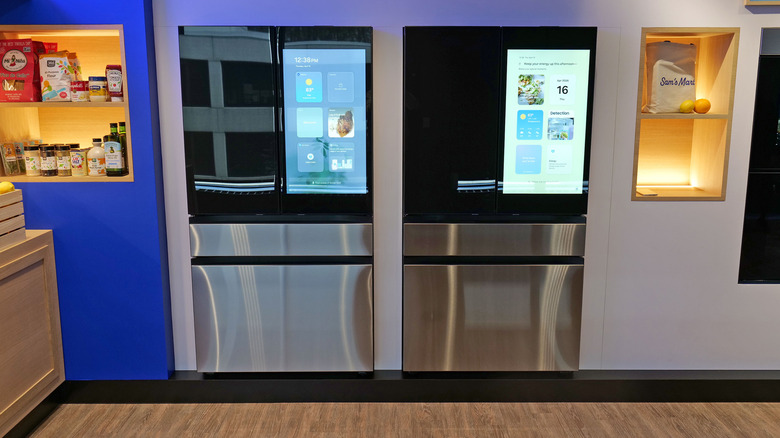
The integration of artificial intelligence in appliances reflects broader trends in the consumer technology sector, where manufacturers increasingly recognize the value of connected, intelligent devices. Samsung's approach with the Bespoke update demonstrates a commitment to creating practical AI solutions rather than simply adding unnecessary technological bells and whistles. The company has focused on understanding genuine user pain points and developing features that address them meaningfully. This philosophy represents a departure from the earlier smart appliance era, when companies sometimes implemented connectivity for its own sake without considering actual consumer value or usability.
From a technical perspective, the Bespoke update relies on sophisticated machine learning algorithms that continuously improve through user interaction. The system processes data about usage patterns, food storage efficiency, temperature optimization, and maintenance needs. Machine learning models analyze this information to provide increasingly personalized experiences, with the AI becoming more intuitive and responsive over time. Samsung's engineers have invested considerable effort in ensuring that privacy protections remain robust, recognizing that refrigerator usage data, while seemingly mundane, can reveal sensitive information about household preferences and dietary choices.
The rollout of this significant software update across Samsung's Bespoke refrigerator lineup signals the company's broader strategy for the smart home market. Rather than discontinuing older models or requiring expensive hardware replacements, Samsung has chosen to enhance existing devices through software updates. This approach benefits consumers who invested in smart refrigerators previously, ensuring their appliances remain current and functional with evolving technology. It also demonstrates environmental consciousness, extending the useful lifecycle of products rather than encouraging rapid replacement cycles. This strategy builds customer loyalty by demonstrating that manufacturers continue to invest in and improve previously purchased products.
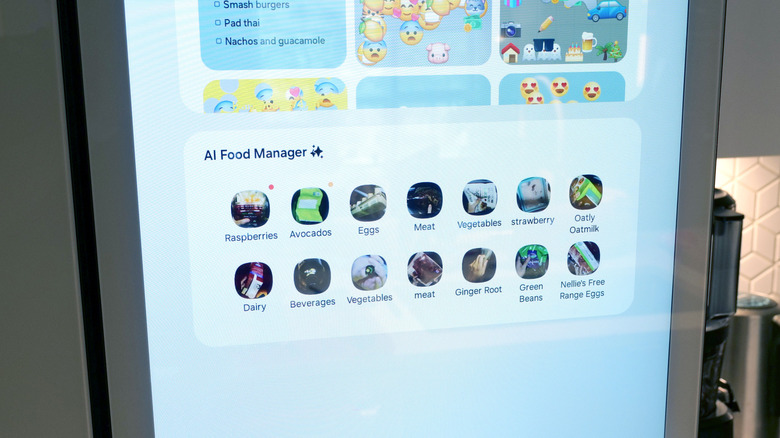
Industry analysts have noted that the Bespoke update represents an inflection point in how consumers perceive and interact with kitchen appliances. For decades, refrigerators have been among the most stable, least innovative products in homes, with their core functionality remaining virtually unchanged since mechanical cooling became standard. Now, Samsung and competitors are fundamentally reimagining what refrigerators can do, positioning them as central hubs for kitchen management and household organization. This transformation mirrors similar evolutions in other appliance categories, from washing machines with AI-optimized cycles to ovens with recipe integration and cooking assistance.
The user interface design of the new Bespoke update deserves particular attention, as it represents thoughtful consideration of how people actually interact with their refrigerators. Rather than overwhelming users with complex menus or requiring extensive technical knowledge, the interface prioritizes simplicity and intuitiveness. Voice control integration allows users to query the refrigerator about contents, request recipes, or add items to shopping lists while their hands are occupied with cooking or other tasks. Touchscreen displays provide visual feedback and detailed information, while mobile app integration ensures that household members can access refrigerator functions from anywhere, checking contents while shopping or receiving notifications about food items approaching expiration.
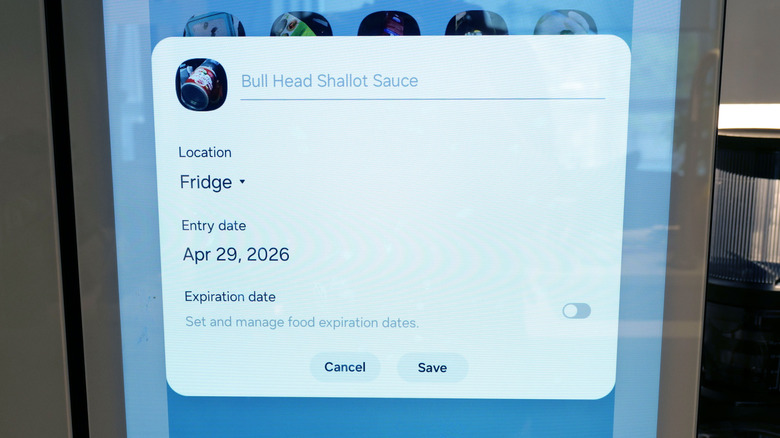
Consumer responses to the Bespoke update have been notably positive, with early users reporting genuine utility from the AI features. Many households find the automatic inventory tracking and recipe suggestions particularly valuable, especially for families managing complex dietary preferences or attempting to reduce food waste. Parents appreciate the ability to monitor food stock remotely and coordinate household provisioning more efficiently. Professional chefs and food enthusiasts value the precise temperature management and food preservation optimization that the AI algorithms provide. These real-world use cases validate Samsung's focus on practical, useful AI rather than speculative or marginally beneficial features.
Looking forward, the implications of this update extend beyond Samsung and refrigerators specifically. As smart appliance technology continues advancing, consumers should expect increasingly sophisticated AI integration across their entire kitchens. Refrigerators may eventually communicate seamlessly with other appliances, coordinating meal preparation timing and sharing inventory information with connected cooking devices. The convergence of kitchen appliances into an integrated, AI-managed ecosystem represents a genuine transformation in how households approach food storage, meal planning, and culinary preparation. Samsung's Bespoke update serves as an important milestone in this evolution, demonstrating that manufacturers can successfully translate AI capabilities into genuinely useful, consumer-friendly features.
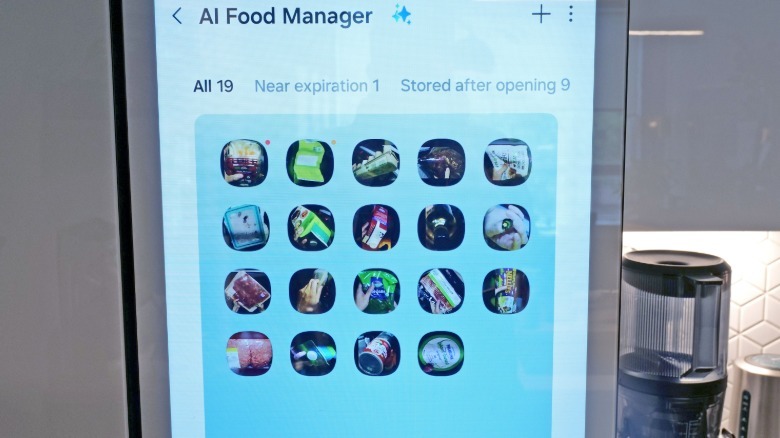
The Bespoke update also highlights important considerations regarding sustainability and the circular economy in appliance manufacturing. By extending the functional value of existing refrigerators through software improvements, manufacturers can slow the pace of hardware replacement cycles and reduce electronic waste. This approach benefits both consumers, who gain enhanced functionality without purchasing new equipment, and the environment, which experiences reduced pressure from rapid obsolescence cycles. As regulatory bodies increasingly focus on sustainability and manufacturers face pressure to demonstrate environmental responsibility, software-driven enhancement of existing products will likely become a standard practice across the industry.
Samsung's investment in smart refrigerator technology and continuous software improvement demonstrates the company's understanding of where consumer technology is headed. Rather than treating appliances as static products with fixed functionality, the company recognizes them as dynamic systems capable of evolution and improvement throughout their operational lifespan. The Bespoke update represents not merely an incremental improvement but a fundamental shift in how manufacturers can deliver value to consumers long after the initial purchase. This paradigm, once established in the refrigerator category, will inevitably influence expectations across other appliance categories, creating a new standard for consumer electronics and home technology products.
Source: Engadget


