
San Diego Mosque Shooting: 5 Dead, Teen Suspects

Five people killed in shooting at Islamic Center of San Diego. Two teenage suspects died from self-inflicted wounds. Authorities investigating as hate crime.
A tragic shooting at the Islamic Center of San Diego, the largest mosque in the region, has left five people dead and sparked an immediate investigation into what authorities are treating as a potential hate crime. The incident sent shockwaves through the local community and renewed conversations about gun violence and religious targeting in the United States. Emergency responders arrived at the scene to discover a devastating situation that would ultimately claim the lives of five individuals, including the two teenage suspects responsible for the attack.
According to law enforcement officials, the two suspects involved in the shooting died from self-inflicted gunshot wounds at the scene. The tragic conclusion to their rampage came as police closed in on their location, bringing an abrupt end to what investigators are treating with the utmost severity. The circumstances surrounding their deaths have been confirmed by multiple official sources, though investigators continue to piece together the complete timeline of events leading up to the violent incident.
Prior to the shooting, the mother of one suspect had contacted local police approximately two hours before the violence erupted. She reported that her son was missing and had taken several of her weapons along with her vehicle. Police had begun actively searching for the teenager and his companion when they received a 911 emergency call from the Islamic Center of San Diego, alerting them to the active shooter situation unfolding at the mosque.

The Islamic Center of San Diego serves as a vital spiritual and community hub for thousands of Muslim residents throughout the San Diego area. The facility hosts regular prayers, educational programs, and community events that bring together people of diverse backgrounds. The brazen attack on this sacred space has devastated the local Muslim community and prompted serious questions about security measures at religious institutions across the country.
Investigators are treating the incident as a hate crime, suggesting that religious or ethnic motivation may have been a factor in the perpetrators' actions. Law enforcement agencies at both local and federal levels are conducting comprehensive investigations to determine the exact motivations behind the attack and whether the suspects had any prior connections to extremist ideologies or groups. The designation as a hate crime carries significant legal implications and reflects the serious nature of targeting a religious institution.
The community response has been immediate and emotional, with local leaders expressing shock and grief over the tragedy. Religious organizations from various faiths have issued statements of solidarity with the Muslim community, and candlelight vigils have been organized to honor the victims and promote healing. The incident has reignited debates about gun violence prevention and the need for enhanced security at houses of worship nationwide.
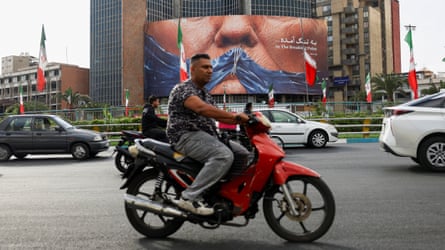
Meanwhile, international developments have continued to unfold as political figures weigh in on ongoing negotiations. Former President Trump has claimed that leaders of Qatar, the United Arab Emirates, and Saudi Arabia have approached Washington with discussions regarding a potential diplomatic deal that could prove "very acceptable" to the United States. According to Trump's statements, this proposed arrangement would work to prevent Iran from obtaining nuclear weapons, a long-standing priority for American foreign policy in the Middle East.
Iran's foreign military spokesperson, Esmail Baghaei, has made counterclaims suggesting that Pakistan had shared Iran's latest proposal with the United States. These diplomatic maneuvers highlight the complex web of regional relationships and ongoing efforts to address nuclear proliferation concerns. The situation remains fluid, with various parties asserting different understandings of the negotiation status and the concessions being offered.
Pakistani officials, who have served as mediators in these discussions, have issued contradictory reports regarding Iran's position. While one source from Islamabad appeared pessimistic about the prospects for a breakthrough agreement, other officials suggested that Tehran had made meaningful concessions during the negotiation process. These mixed signals have complicated efforts to assess the genuine progress being made in diplomatic channels.
The convergence of these tragic domestic events with complex international negotiations underscores the multifaceted challenges facing the nation. The shooting incident at the Islamic Center of San Diego demands immediate attention to public safety and community protection, while international diplomatic efforts continue behind closed doors. Both situations require careful handling by government officials and thoughtful consideration of the stakes involved.
Federal agents and local law enforcement continue their investigation into all aspects of the San Diego shooting, working to establish a complete chronology of events and identify any potential warning signs that might have been missed. The focus on hate crime allegations suggests that investigators are examining whether the suspects had expressed anti-Muslim sentiments or had any history of extremist activity. This comprehensive approach is essential for understanding not only what happened but why it happened and how similar tragedies might be prevented in the future.
As the investigation progresses, the focus will inevitably turn to questions about how two teenagers obtained access to weapons and what circumstances led them to target a specific religious institution. The role of the mother's missing weapons in the attack raises important questions about responsible gun ownership and secure storage practices. These practical considerations intersect with broader policy debates about preventing access to firearms by individuals who may pose a danger to themselves or others.

The Islamic Center of San Diego community now faces the difficult process of healing and rebuilding in the aftermath of this tragedy. Support services have been mobilized to assist survivors, families of victims, and others affected by the shooting. The broader American Muslim community has also rallied to provide support and solidarity during this difficult period, recognizing that such attacks represent threats to religious freedom and community safety for all Americans.
Source: The Guardian


